The Whispers of Youth and Romance: A Journey Through Cacharel's Perfume Legacy
Cacharel. The name itself evokes a sense of delicate charm, youthful romance, and an almost dreamlike innocence. Unlike some houses born from ancient apothecaries or grand couture, Cacharel emerged from a vision of ready-to-wear fashion, quickly blossoming into a fragrance powerhouse renowned for capturing the ephemeral beauty of youth and first love. Its perfumes are not just scents; they are stories, bottled emotions that have resonated with generations of enthusiasts.
From French Fashion to Fragrant Fantasies: The Founding Story
The journey of Cacharel began in 1962, not with a perfumer, but with a visionary French fashion designer, Jean Bousquet. Hailing from Nîmes, Bousquet started his fashion house in Le Marais district of Paris. The brand, named after a local duck (Anas querquedula) found in the Camargue wetlands, quickly gained traction with its fresh, youthful aesthetic. Bousquet’s innovative use of fabrics, particularly his iconic crinkled seersucker blouse that graced the cover of Elle magazine in 1963, catapulted Cacharel into the sartorial spotlight. His designs championed a soft, feminine silhouette, free from rigid structures, which perfectly encapsulated the burgeoning spirit of freedom and romance of the era. This foundational ethos of delicate beauty and approachable elegance would prove crucial when the brand made its pivotal leap into the world of perfumery.
Iconic Scents: Crafting Olfactory Narratives
Cacharel’s entry into fragrance, in partnership with L'Oréal, was marked by an immediate and resounding success that would define its identity for decades. The brand consistently delivered perfumes that were not merely pleasant, but deeply evocative, often becoming cultural touchstones.
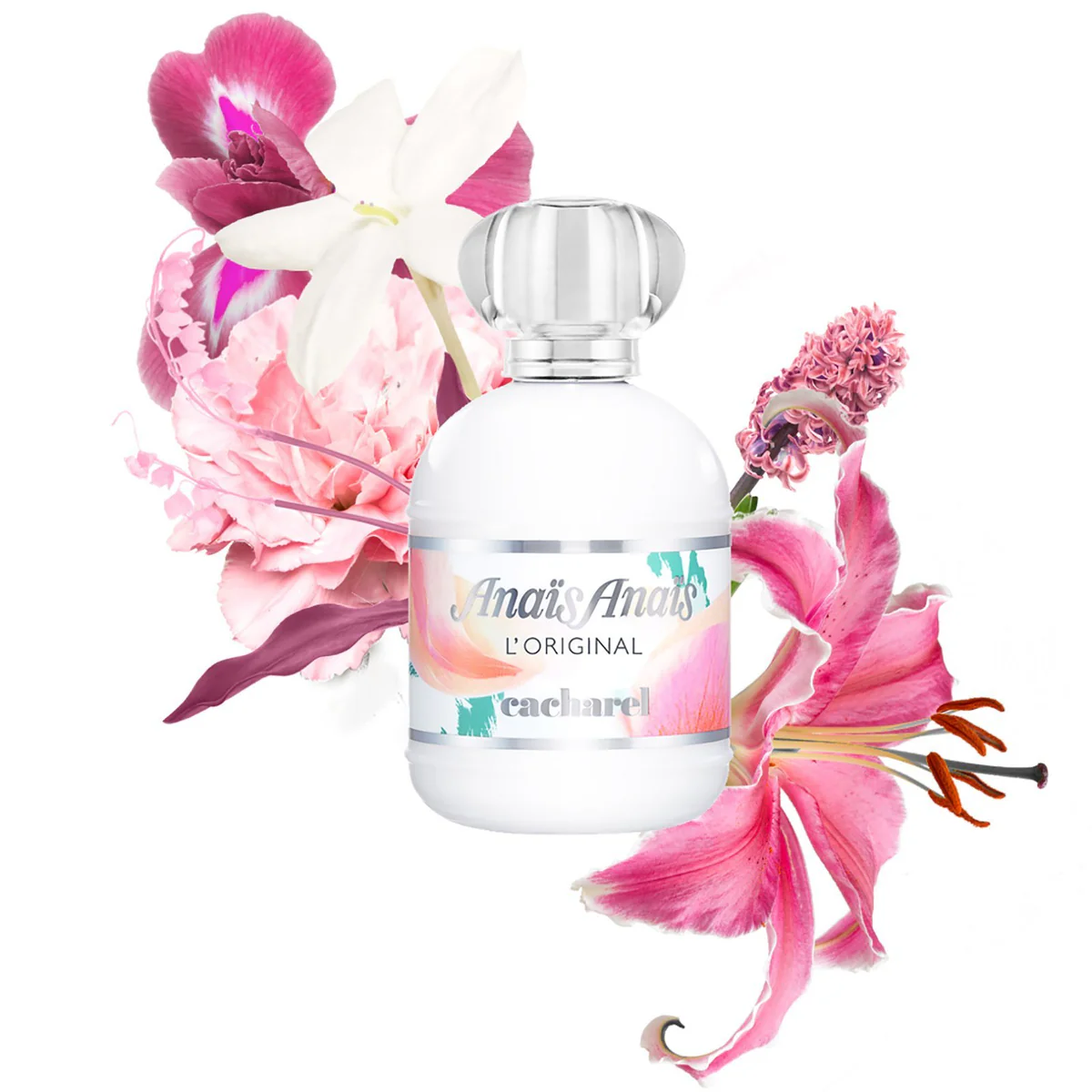
- Anaïs Anaïs (1978): The debut fragrance remains Cacharel's cornerstone. A revolutionary scent for its time, Anaïs Anaïs was crafted as a tender, romantic floral bouquet aimed at young women. Its innocent blend of lily, honeysuckle, and orange blossom, housed in an opaque white bottle, symbolized purity and first love. It wasn't just a perfume; it was an initiation into womanhood, a whispered secret of budding romance, and an international bestseller that cemented Cacharel's place in perfumery history.
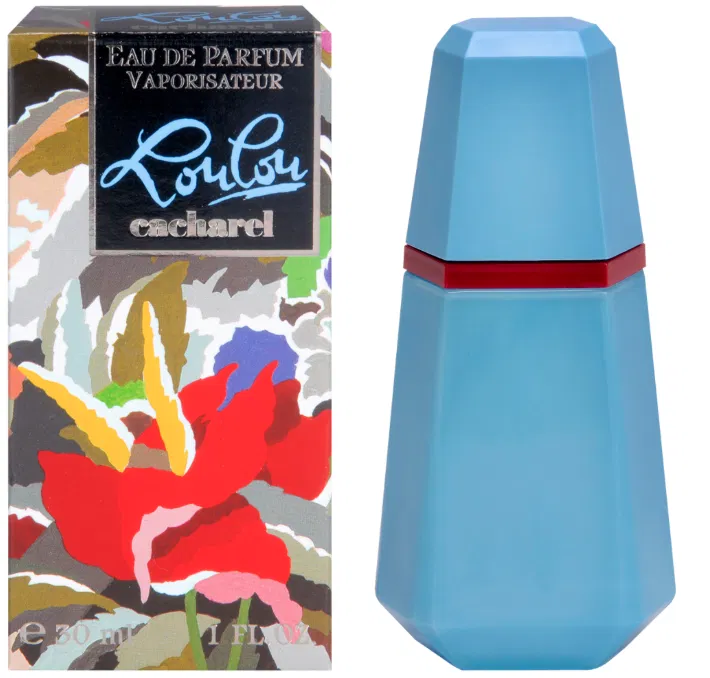
- Loulou (1987): A bold departure from Anaïs Anaïs's innocence, Loulou introduced a more daring, sensual, and oriental facet of Cacharel. With its iconic tagline, "Who do you think you are, Loulou?", this fragrance, featuring notes of tiare flower, vanilla, and incense, was designed for the confident, mysterious woman. Its blue and red art-deco inspired bottle reflected a sophisticated sensuality.
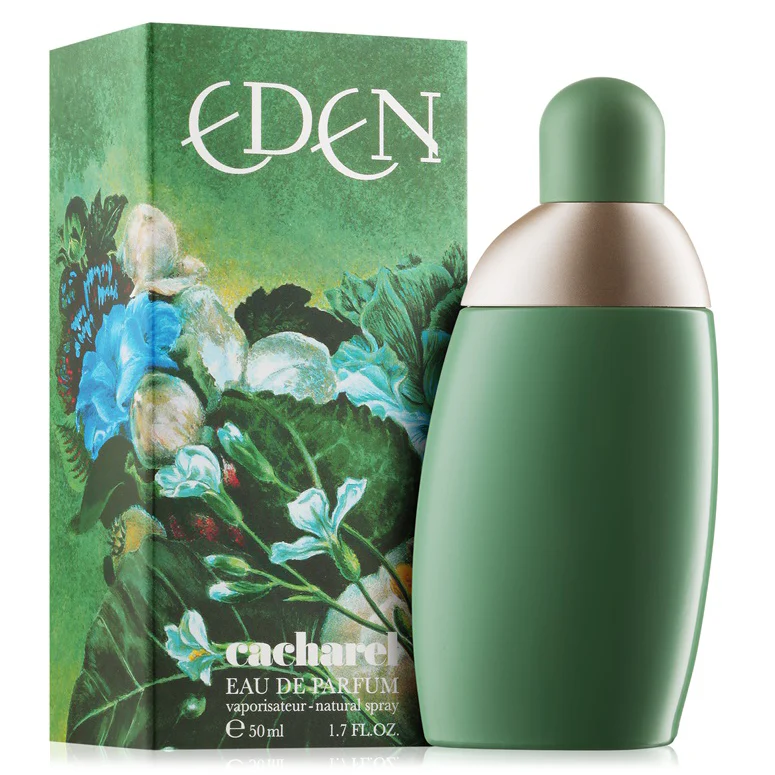
- Eden (1994): A dive into an exotic, lush garden, Eden was a groundbreaking fragrance with its unique blend of aquatic notes, exotic fruits, and lush florals. It painted a picture of a mysterious, untamed paradise, appealing to those seeking something utterly distinct and otherworldly.
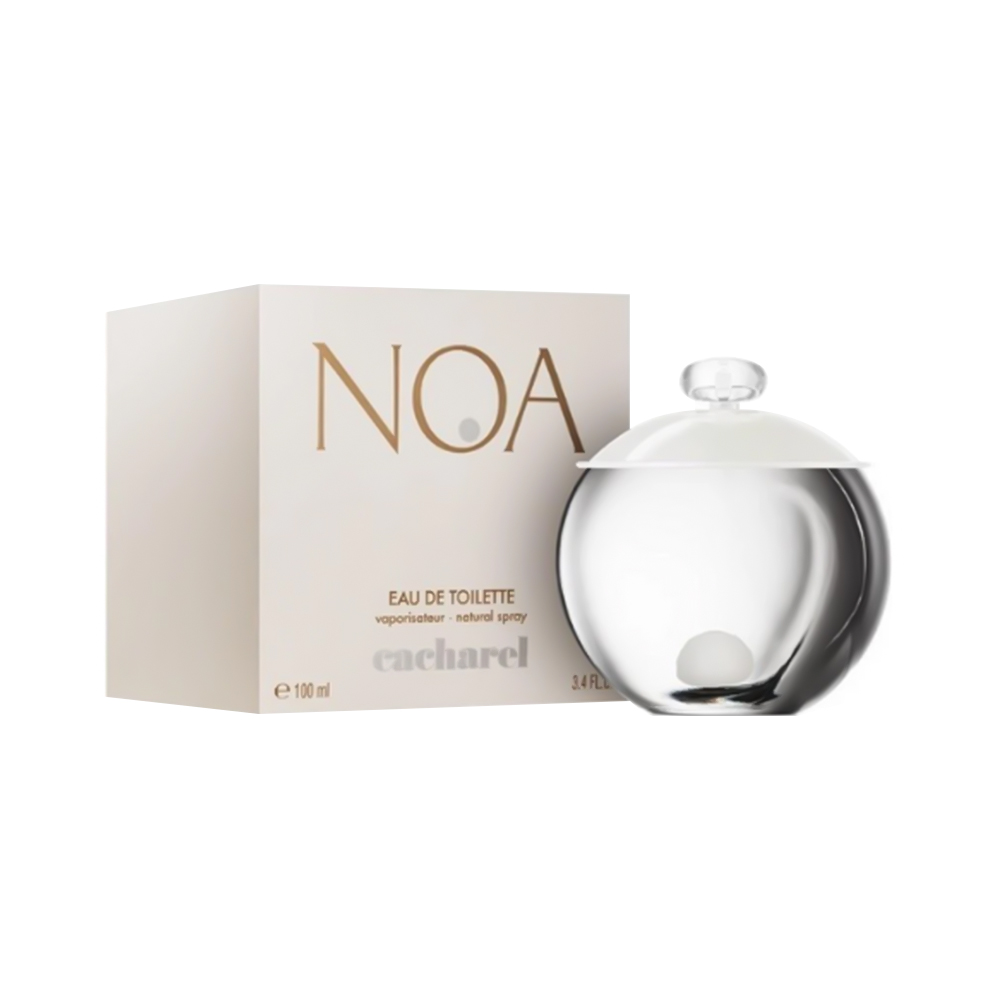
- Noa (1998): Symbolizing peace and enlightenment, Noa was a luminous, soft floral musk. Its spherical bottle, containing a floating pearl, represented a 'pearl of wisdom' and inner harmony. With gentle notes of white musk, peony, and coffee, it offered a comforting yet ethereal presence.
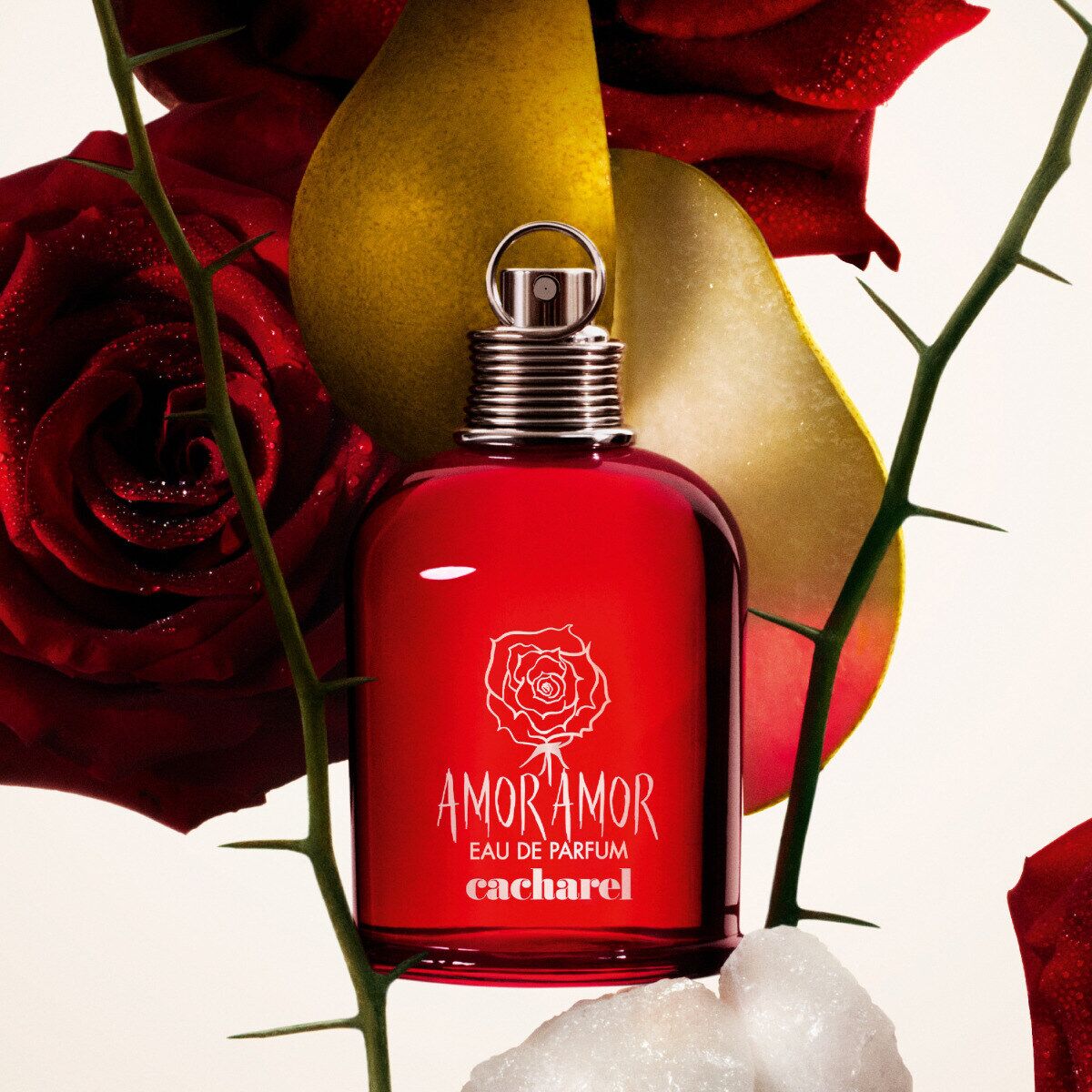
- Amor Amor (2003): Reconnecting with the youthful zest, Amor Amor burst onto the scene as a vibrant, passionate fruity-floral. Encased in its iconic red grenade-like bottle, it was designed as a modern love potion, celebrating the thrill and intensity of young love. Its blend of blackcurrant, orange, jasmine, and vanilla instantly captivated a new generation of perfume lovers, proving Cacharel’s enduring ability to evolve while staying true to its romantic core.
Brand Evolution and Enduring Legacy
Over the decades, Cacharel has demonstrated a remarkable ability to evolve its fragrance portfolio while maintaining a consistent narrative of emotion, youth, and discovery. Each scent tells a different story within the overarching theme of femininity – from innocent dreams to passionate encounters, from quiet introspection to vibrant self-expression. The brand’s strong visual identity, memorable advertising campaigns, and distinctive bottle designs have played a crucial role in cementing the unique personality of each fragrance in the minds of consumers.
Cacharel's legacy is defined by its pioneering spirit in the realm of youthful prestige perfumery. It taught the industry that high-quality, emotionally resonant fragrances could be crafted for a younger demographic, moving beyond traditional, more mature offerings. Its influence can be seen in countless subsequent launches that aim to capture the vibrant, multifaceted spirit of contemporary youth. Cacharel remains a beloved house, a testament to the power of dreams, romance, and the timeless magic of a beautifully crafted scent.