The Dawn of a Scent Empire
Calvin Richard Klein, a visionary American fashion designer, founded his eponymous company in 1968. Known for sophisticated coats, and later revolutionary denim and underwear, Klein’s aesthetic was always clean, modern, and sensual. The natural progression into fragrance began with a desire to offer a complete lifestyle, an olfactory extension of the brand's minimalist yet impactful vision. While "Calvin Klein" (for women) arrived in 1978, it was in the mid-1980s that the house truly cemented its place as a formidable force, under visionary leadership that understood a Calvin Klein fragrance had to be more than a smell; it had to be a statement.
Provocation and Powerhouses: The Golden Era
The 1980s and early 1990s marked a golden age for Calvin Klein fragrances, defined by bold scents and even bolder marketing.
Obsession: The Scent of Desire (1985)
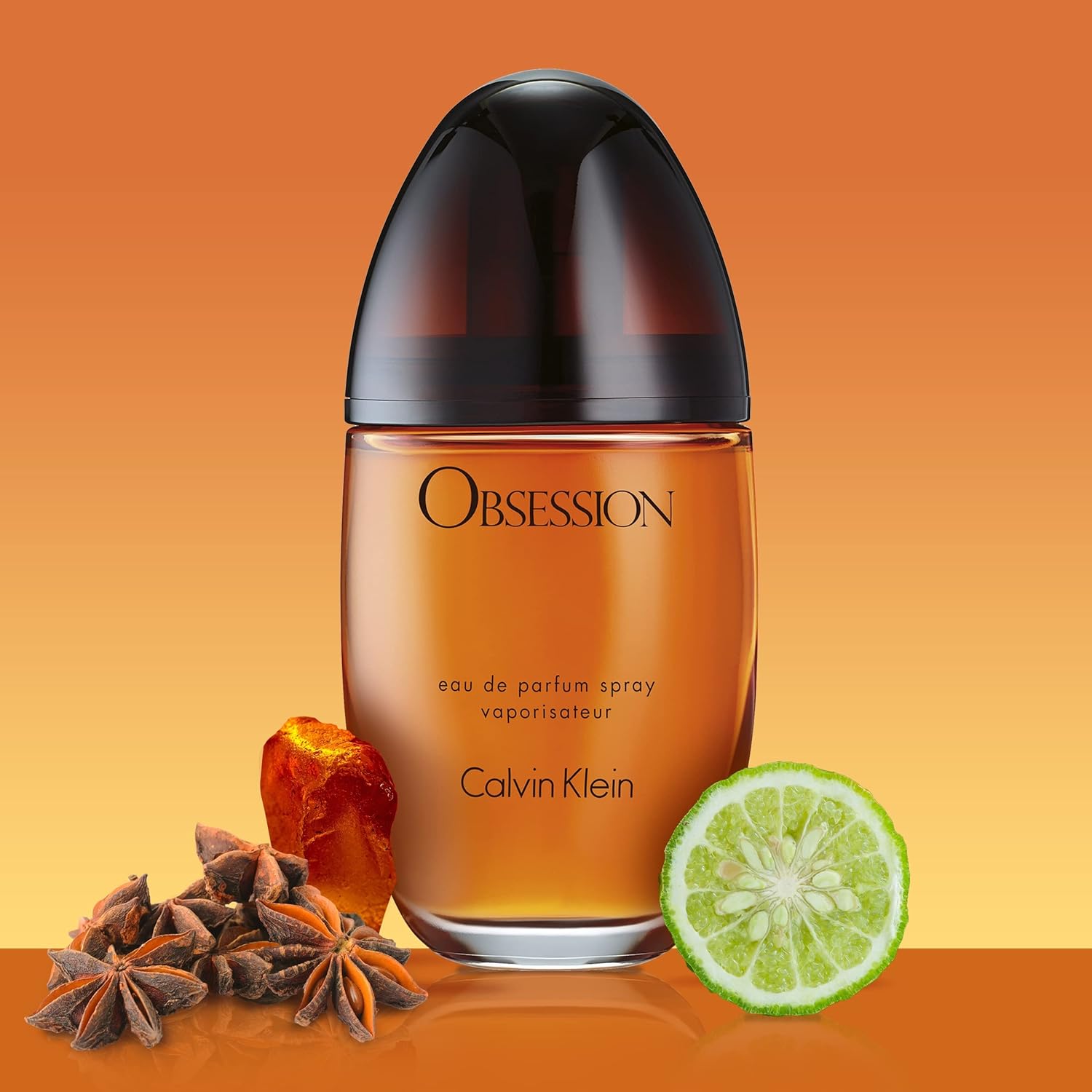
This oriental-spicy fragrance for women (and men, 1986) was revolutionary. With notes of vanilla, amber, spices, and exotic florals, Obsession was intense, warm, and unapologetically sensual. Its advertising campaigns, featuring highly suggestive imagery, pushed boundaries and sparked conversation, aligning the scent directly with raw desire. Obsession was an instant global success, proving Calvin Klein understood how to bottle an emotion and sell a fantasy.
Eternity: A Timeless Romance (1988)
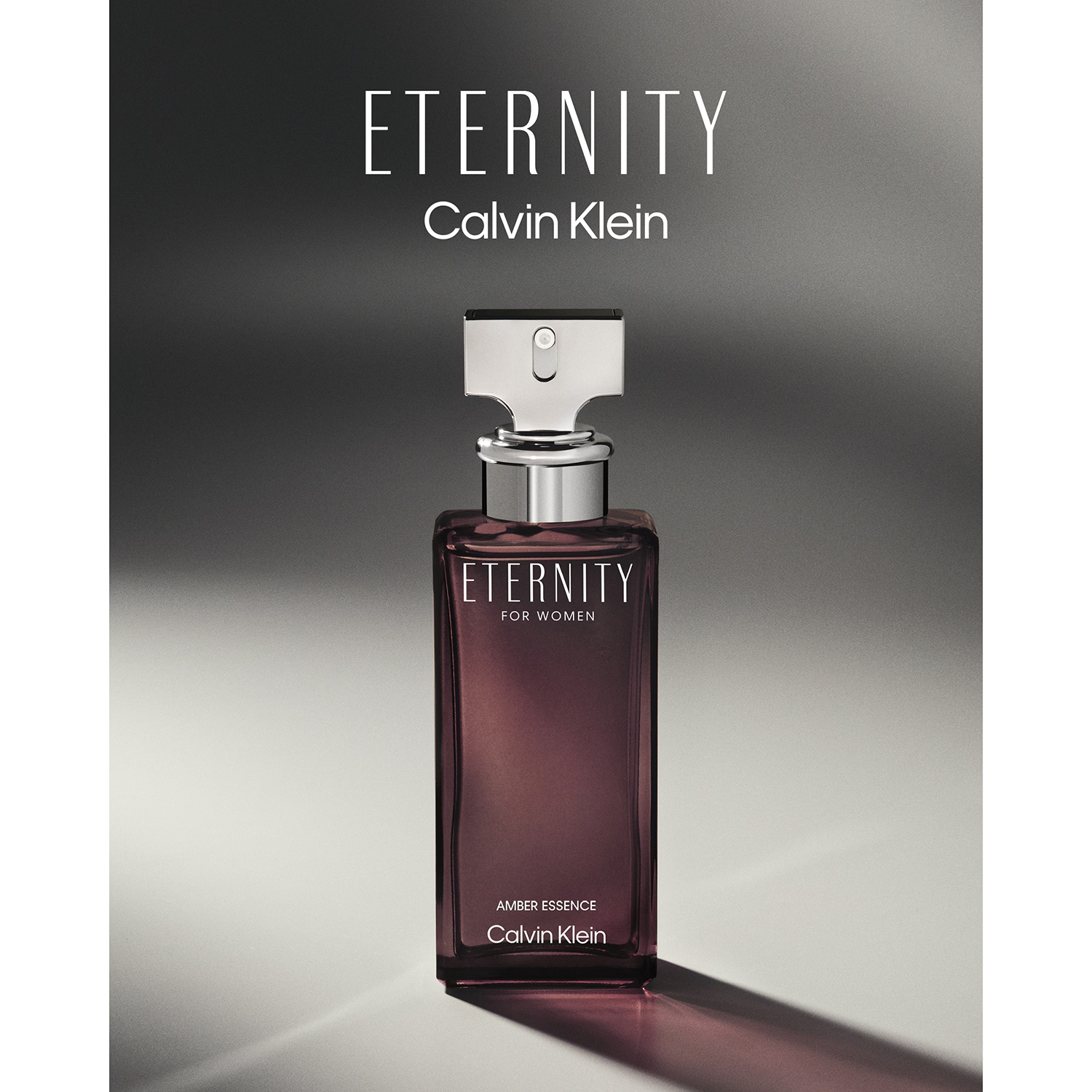
Following Obsession's intensity, Eternity offered a different facet. Inspired by Klein's marriage, this floral fragrance, composed by Sophia Grojsman, celebrated enduring love, family, and peace. Its clean, green, and white floral notes, in a classic bottle, offered a counterpoint to the era's heavier scents. Eternity quickly became a favorite for its sophisticated yet approachable aroma, with advertising evoking tender, romantic ideals.
The Revolution of Shared Scents: CK One (1994)
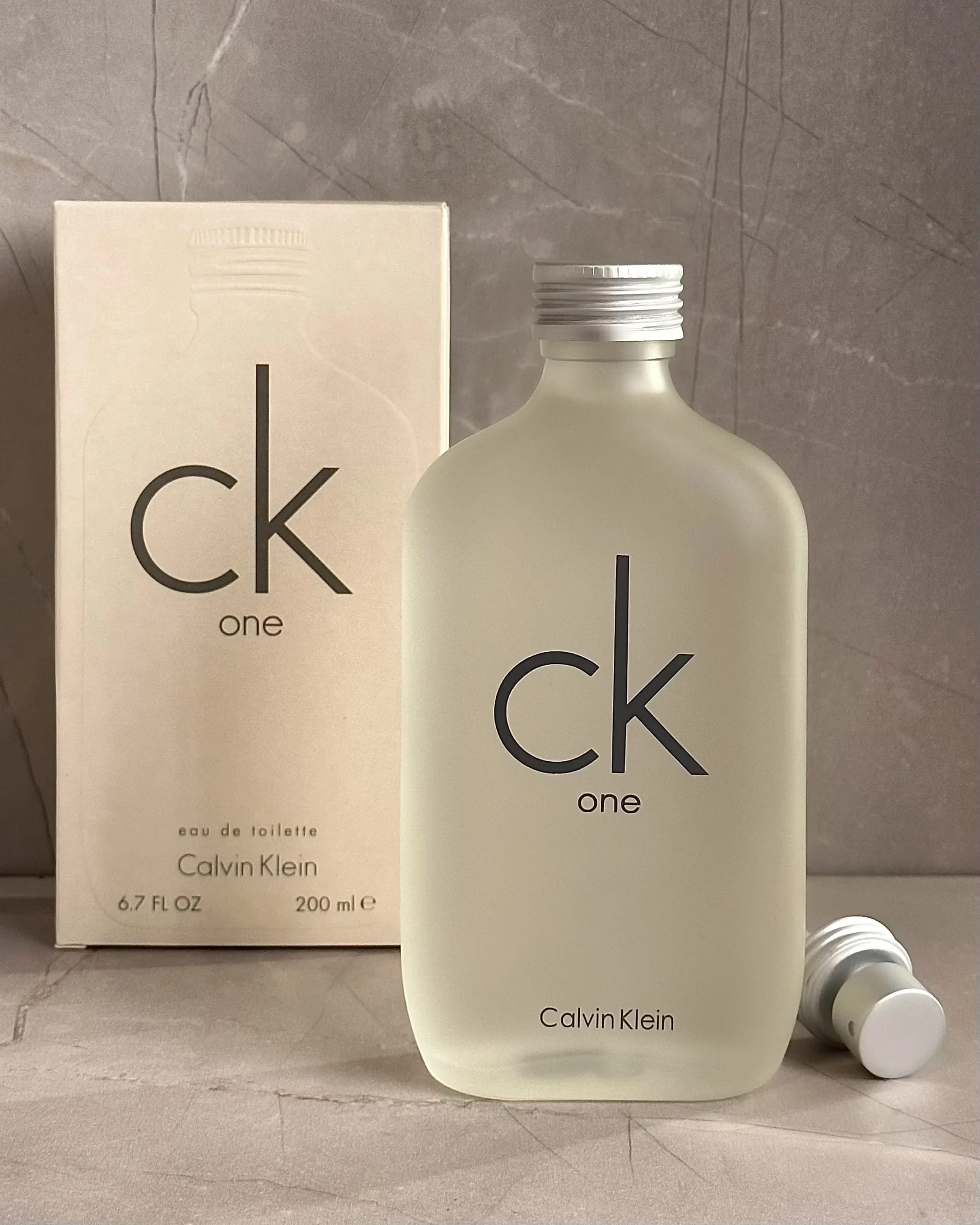
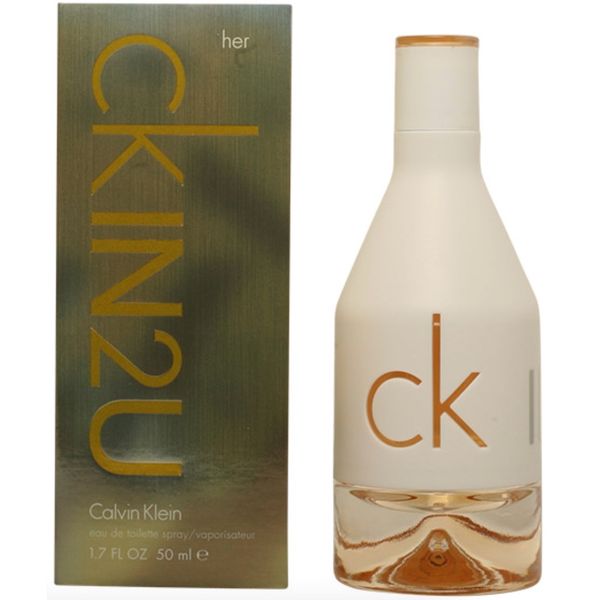
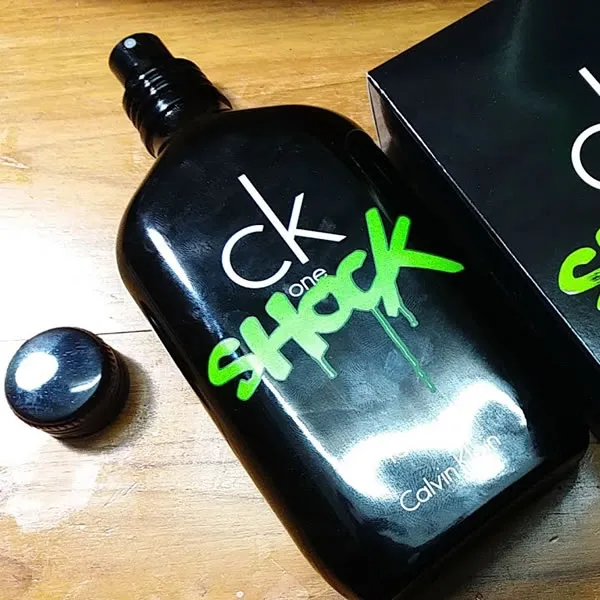
Perhaps no fragrance defined a generation quite like CK One. Launched during the grunge era, this pioneering scent was a direct response to a cultural shift. CK One shattered traditional gender norms by being explicitly marketed as a unisex fragrance – a radical concept. Its minimalist bottle, designed like a hip flask, and its fresh, clean, citrusy aroma (by Alberto Morillas and Harry Fremont) perfectly encapsulated the era's desire for authenticity and individuality. Iconic advertising, featuring diverse models like Kate Moss, epitomized a cool, unpretentious youth culture. CK One wasn't just a perfume; it was a social statement, fostering a new category of "shared" fragrances. Its sibling, CK Be (1996), continued this democratic approach.
Evolving Aromas: Beyond the 90s
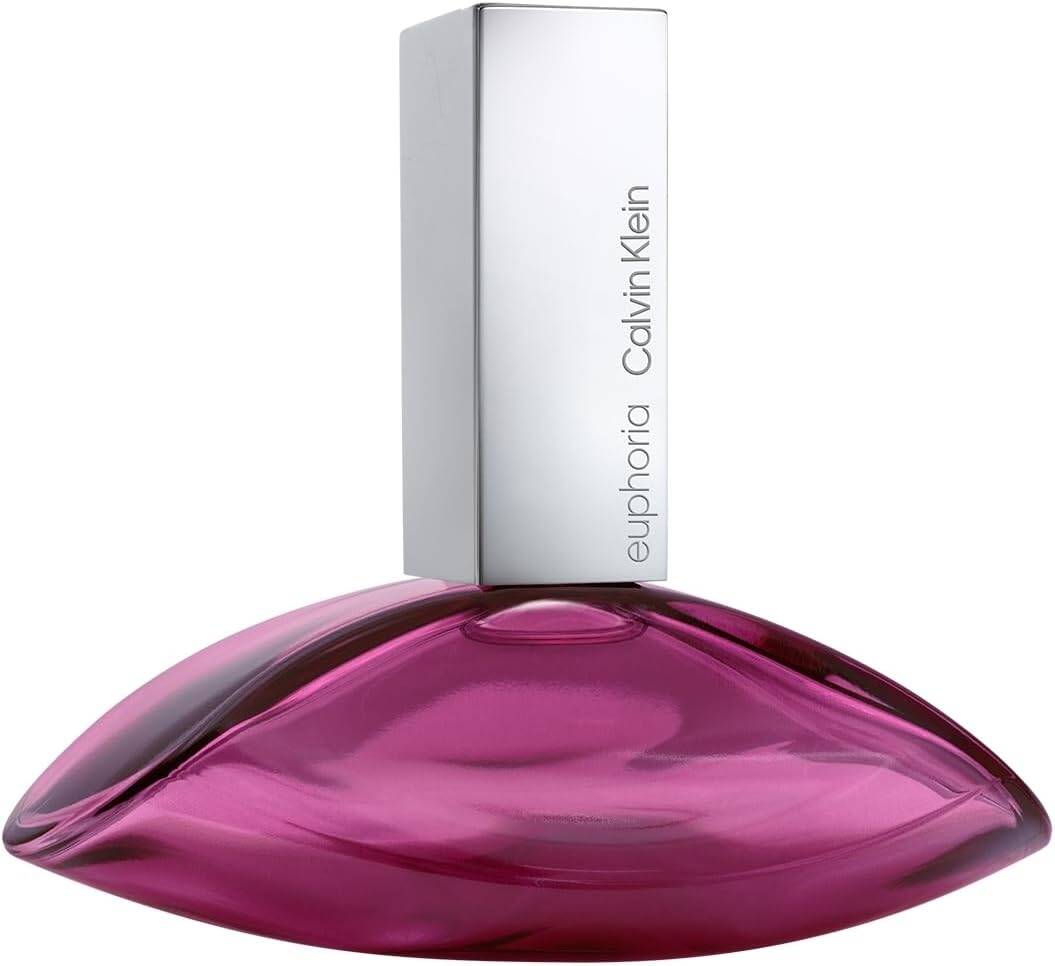
As the millennium turned, Calvin Klein continued to innovate and adapt. Its fragrance division remained a powerful player, consistently introducing bestsellers. Fragrances like Euphoria (2005), an exotic, woody-oriental floral for women, and its masculine counterpart, brought a richer, more opulent sensibility, proving its ability to evolve beyond 90s minimalism. Other notable releases, such as Truth, Contradiction, and ongoing "CK One Summer" limited editions, showcased the brand's commitment to exploring diverse olfactive territories while maintaining its core identity. Today, the Calvin Klein fragrance license is held by Coty Inc.
A Lasting Legacy
Calvin Klein's influence on the fragrance world is undeniable. The brand not only pioneered the unisex category but also demonstrated the power of provocative, conceptual marketing in connecting scent with identity and lifestyle. It democratized fragrance, making desirable scents accessible to a broader audience without compromising on style or impact. Calvin Klein's fragrances are benchmarks of American perfumery, reflecting cultural shifts and setting trends. From the sensual depths of Obsession to the universal freshness of CK One, the house of Calvin Klein has crafted an olfactory archive that continues to inspire and define generations of perfume enthusiasts.