The Dawn of an Olfactory Dynasty: A Tale of Two Visionaries
In the bustling heart of Paris, at 10 rue de la Paix, a new chapter in perfumery began in 1904. Caron, unlike many of its contemporaries, was not born from a long lineage of apothecaries or glove makers. It was the brainchild of Ernest Daltroff, a self-taught perfumer with an extraordinary nose and an unconventional approach, paired with the artistic genius of Félicie Wanpouille. Daltroff, a sensitive and somewhat reclusive genius, had no formal training but an innate ability to translate emotions and ideas into scent. Wanpouille, his muse and business partner, was the creative director who gave Caron its distinctive visual identity, designing bottles, packaging, and the luxurious boutique aesthetic. This unique synergy – Daltroff's olfactory daring and Wanpouille's visual sophistication – laid the foundation for a house that would become synonymous with bold artistry and unparalleled luxury.
A Symphony of Scent: Caron's Iconic Creations
Caron quickly distinguished itself through a series of groundbreaking fragrances that challenged the conventions of the era. Daltroff was known for his generous use of natural ingredients and a willingness to explore daring compositions, often creating complex, highly concentrated perfumes that left an unforgettable trail.
- Narcisse Noir (1911): An opulent, dark narcissus, famed for its dramatic portrayal in 'Sunset Boulevard.' It captured the essence of Belle Époque glamour with its rich floral heart deepened by musk and sandalwood.
- Tabac Blond (1919): A revolutionary scent that defied gender norms. Created for the independent flapper generation, its daring blend of tobacco, leather, and vanilla was unprecedented for a women's fragrance, pioneering the modern leather genre.
- Nuit de Noël (1922): A warm, aldehydic floral with spicy undertones, evoking the cozy mystery of Christmas Eve. Its elegant complexity quickly became a festive classic.
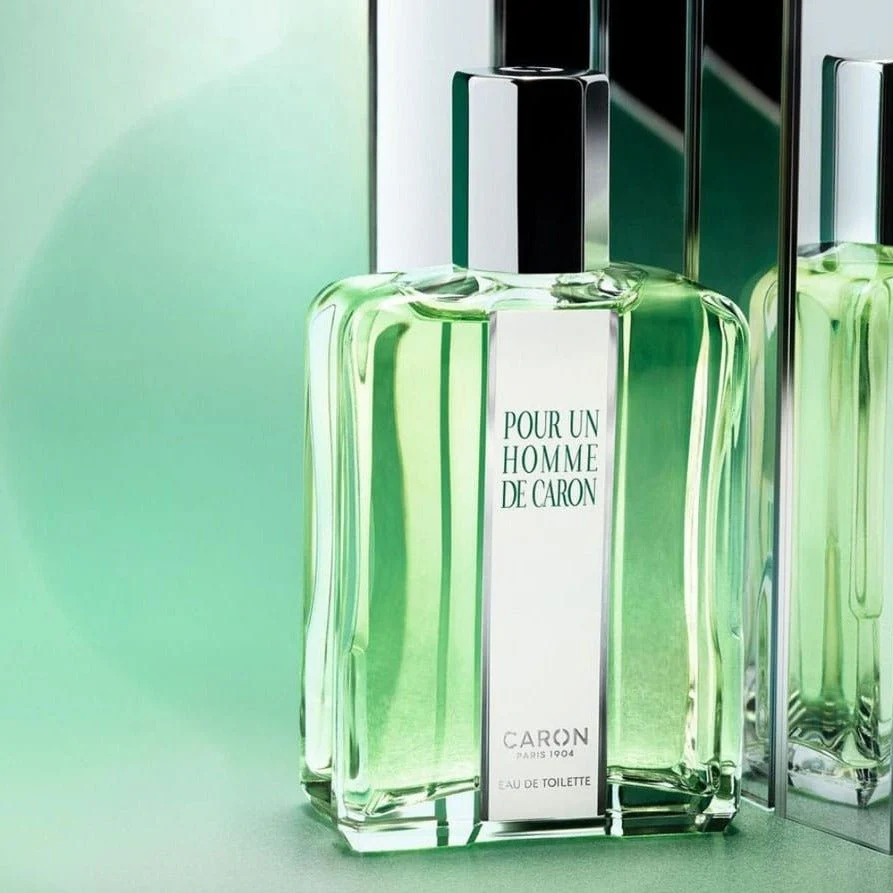
- Pour Un Homme de Caron (1934): A true trailblazer, this was one of the first mass-market men's fragrances and remains an undisputed classic. Its deceptively simple yet brilliant blend of lavender, vanilla, and musk created a sophisticated, comforting, and enduring masculine signature.
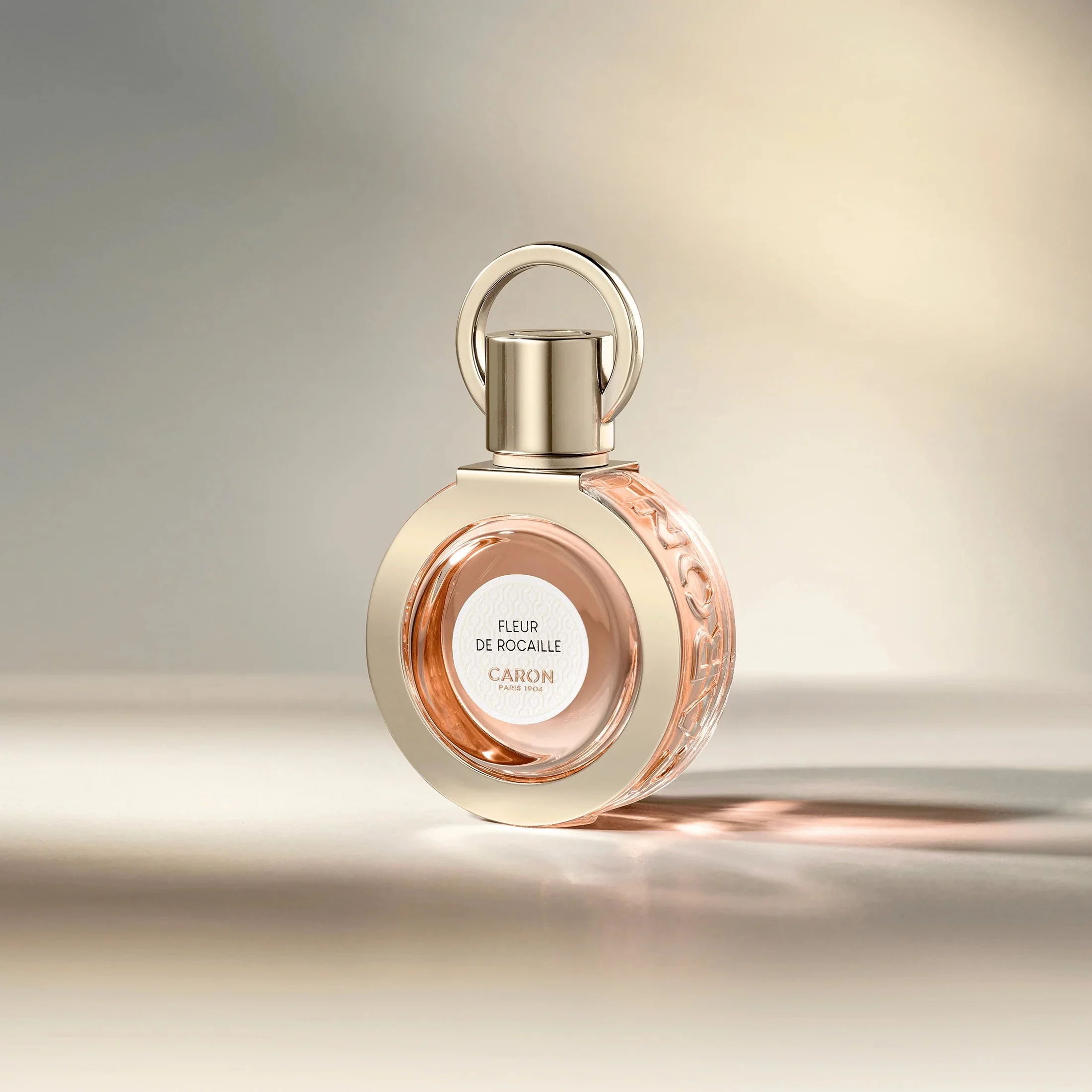
- Fleur de Rocaille (1933) / Fleurs de Rocaille (1993): The original was a delicate floral aldehyde. Its later reinterpretation, Fleurs de Rocaille, is a sparkling, modern floral bouquet, showcasing Caron's ability to evolve while honoring its past.
- French Cancan (1936): A flamboyant floral chypre that embodied the vivacious spirit of Paris, blending jasmine, rose, and orange blossom with a woody, mossy base.
Enduring Spirit: Brand Evolution and Legacy
Navigating the Tides of Time
Caron's golden age was tragically interrupted by World War II. As a Jewish man, Ernest Daltroff was forced to flee to the United States in 1939, leaving Félicie Wanpouille to manage the house. Daltroff passed away in New York in 1941, never to return to his beloved Paris. Wanpouille admirably carried on his legacy, maintaining the house's high standards until her retirement in 1967. After her departure, Caron experienced various changes in ownership, grappling with the challenge of balancing its rich heritage with the demands of a rapidly changing market. While some new creations emerged, the brand struggled at times to recapture the pure, unadulterated artistic vision of its founders.
A Modern Renaissance
A significant turning point arrived in 2018 when Caron was acquired by the Rothschild family. This new ownership ushered in a period of revitalization, reaffirming Caron's commitment to luxury and its creative roots. With Jean Jacques appointed as the in-house perfumer, Caron embarked on a journey to re-explore and re-interpret its legendary archive, while also crafting new compositions that honor the house's daring spirit. The iconic Caron fountains, once a hallmark of its boutiques, have been meticulously restored, allowing enthusiasts to experience the grandeur of refillable fragrances as Daltroff and Wanpouille intended.
Caron's Indelible Mark: A Legacy of Audacity and Artistry
From its audacious beginnings, Caron has consistently pushed the boundaries of perfumery. Ernest Daltroff's fearless experimentation and Félicie Wanpouille's exquisite taste created a unique identity that continues to resonate. Caron stands as a testament to the power of artistic collaboration, a house that dared to be different and, in doing so, forged a path that many others would follow. Its perfumes are not merely scents; they are pieces of history, bold statements, and timeless expressions of luxury and individuality, ensuring Caron's enduring influence in the world of haute parfumerie.