From Jeweler to Olfactory Masterpiece: The Cartier Perfume Legacy
Cartier. The name alone conjures images of exquisite diamonds, timeless watches, and unparalleled craftsmanship. For over a century and a half, the Parisian maison has defined luxury, adorning royalty and the elite with its magnificent creations. Yet, beyond the glitter of gemstones lies another realm where Cartier has meticulously carved its mark: the world of perfumery. Far from being a mere accessory, Cartier's fragrances are extensions of its core philosophy, embodying elegance, innovation, and a distinct olfactory signature.
The Genesis of Scent: A Late Bloom
The story of Cartier begins in 1847 when Louis-François Cartier took over a Parisian jewelry workshop. His grandsons, Louis, Pierre, and Jacques, later expanded the empire globally, establishing Cartier as a titan of high jewelry. While the brand's heritage is steeped in precious metals and stones, its foray into the world of scent was a much later, yet deliberate, undertaking. Unlike many fashion houses that launched perfumes early on, Cartier waited, ensuring its olfactory debut would meet the same exacting standards as its renowned jewelry.
It wasn't until 1981 that Cartier officially launched its first major fragrance, Must de Cartier. This audacious move signified a profound commitment. The name 'Must' itself implied an essential, indispensable luxury – a testament to the brand's confidence that its fragrance would be as coveted as its jewelry. The scent, an opulent oriental, broke new ground, establishing Cartier's unique position in the burgeoning luxury fragrance market.
Visionaries and Olfactory Architects
While the Cartier family laid the foundation of the luxury house, specific figures were instrumental in shaping its perfumed destiny. Jean-Jacques Cartier, one of Louis Cartier's grandsons, was a pivotal figure in greenlighting the brand's venture into fragrance. His vision ensured that Cartier's perfumes would be more than just marketing ploys, but genuine artistic expressions.
- Mathilde Laurent: The In-House Master: A transformative figure, Mathilde Laurent joined Cartier as its in-house perfumer in 2005. Her appointment marked a significant shift, bringing all fragrance creation under one roof, much like a master jeweler oversees every facet of a gem. Laurent's philosophy centers on creating scents that are truly unique, reflecting the soul of Cartier without succumbing to fleeting trends. She is known for her daring yet elegant compositions, pushing boundaries while maintaining classic French perfumery's sophistication.
- Early Collaborators: Before Laurent, Cartier collaborated with renowned perfumers like Jean-Claude Ellena, who crafted the iconic Déclaration (1998), further solidifying Cartier's reputation for sophisticated and distinctive scents.
Iconic Fragrances: Jewels for the Senses
Cartier's perfume portfolio is a carefully curated collection, each fragrance telling a story and mirroring the brand's aesthetic precision.
- Must de Cartier (1981): The trailblazer. An enveloping oriental with galbanum, jasmine, and vanilla, it was a scent of bold elegance that announced Cartier's arrival in the perfume world.
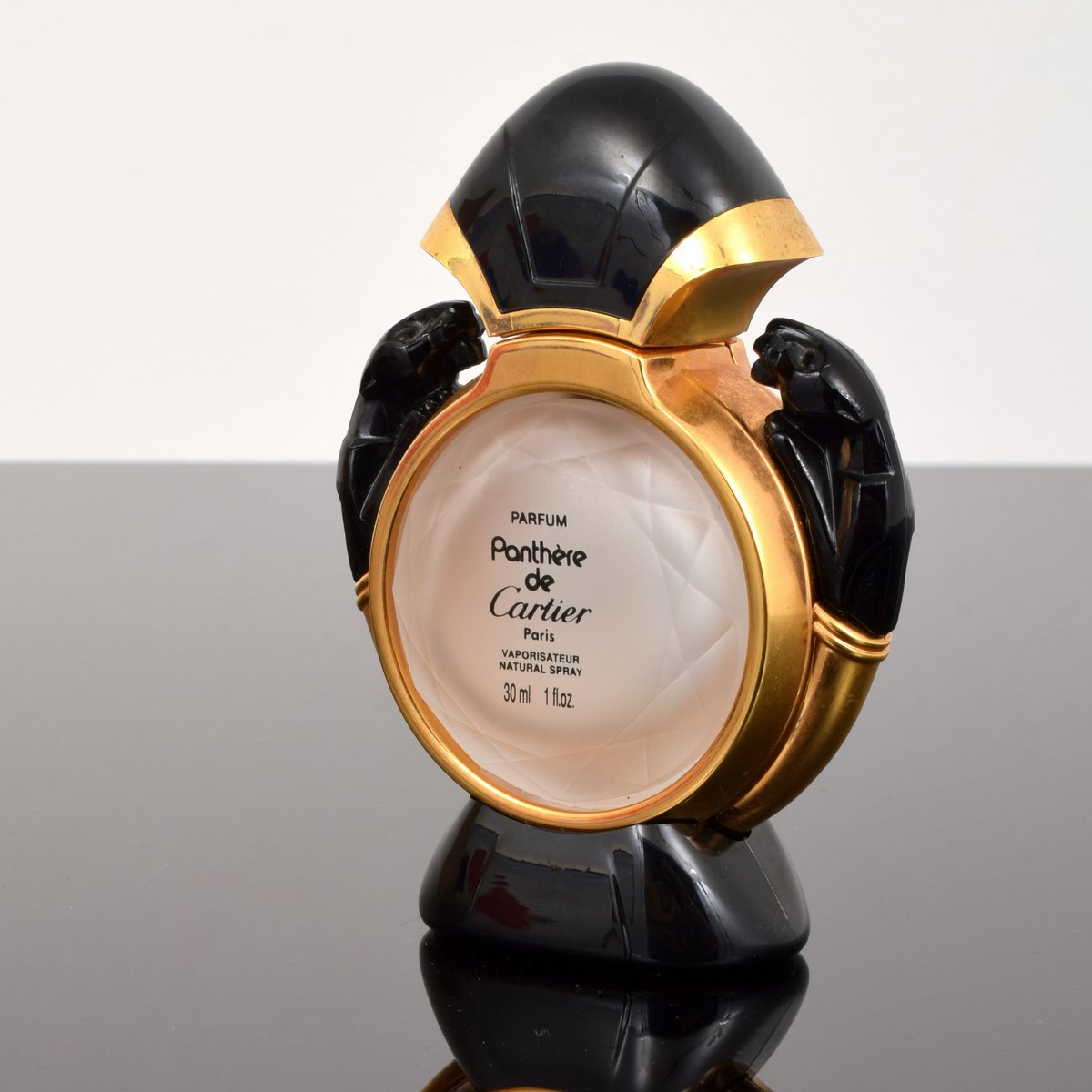
- Panthère (1986): A tribute to Cartier's iconic feline emblem, this powerful floral chypre captured the essence of grace and wild allure.
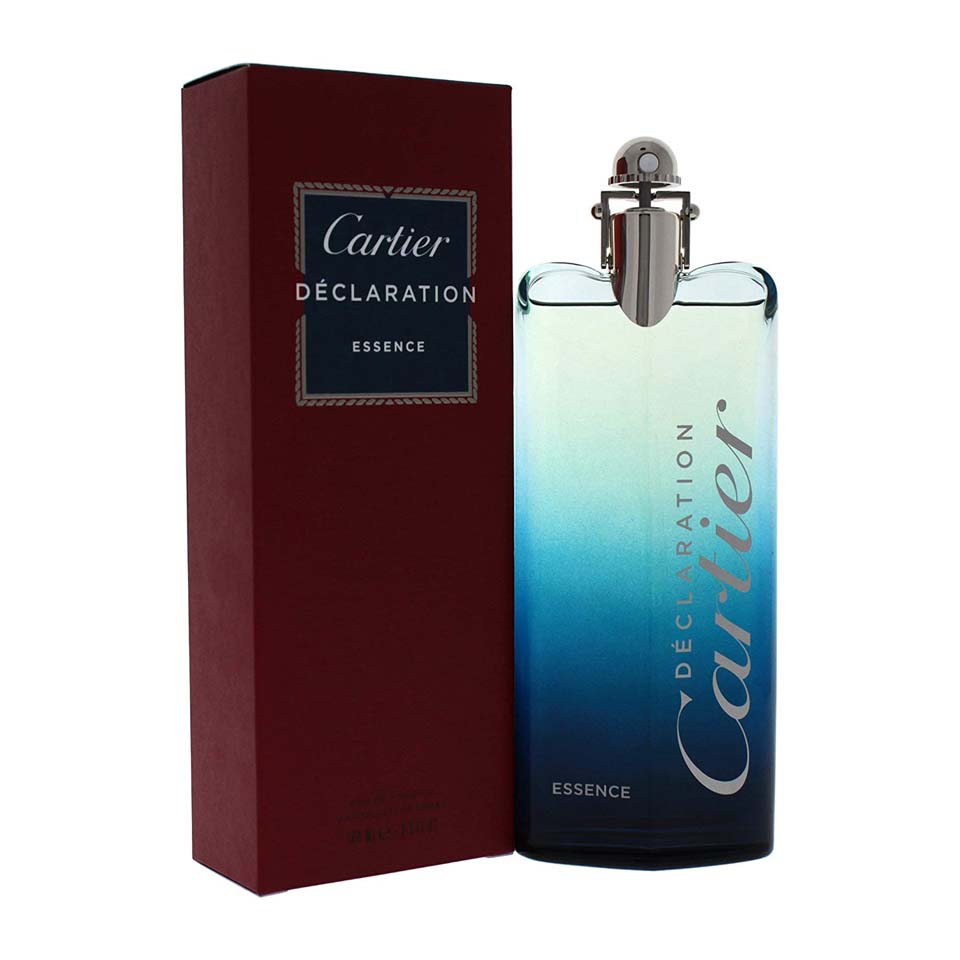
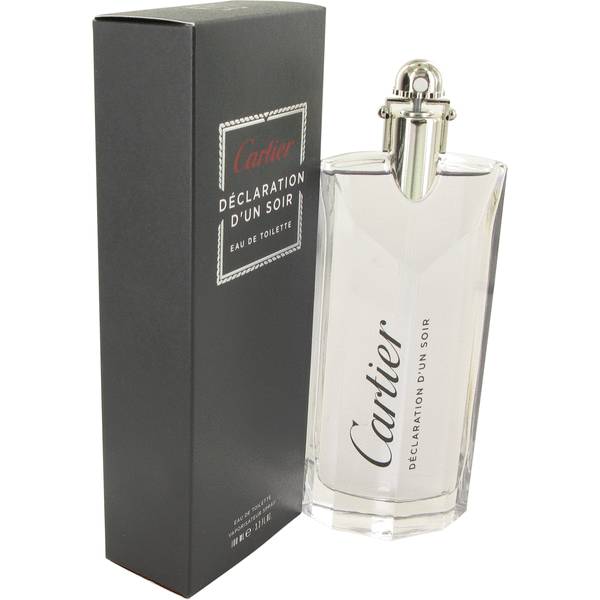
- Déclaration (1998): A modern masterpiece for men, crafted by Jean-Claude Ellena. Its unique blend of spices, woods, and citrus created a new olfactory language for masculine elegance, proving that subtlety could be profoundly impactful.
- Eau de Cartier (2001): A refreshing and minimalist scent that encapsulated Cartier's timeless simplicity and purity.
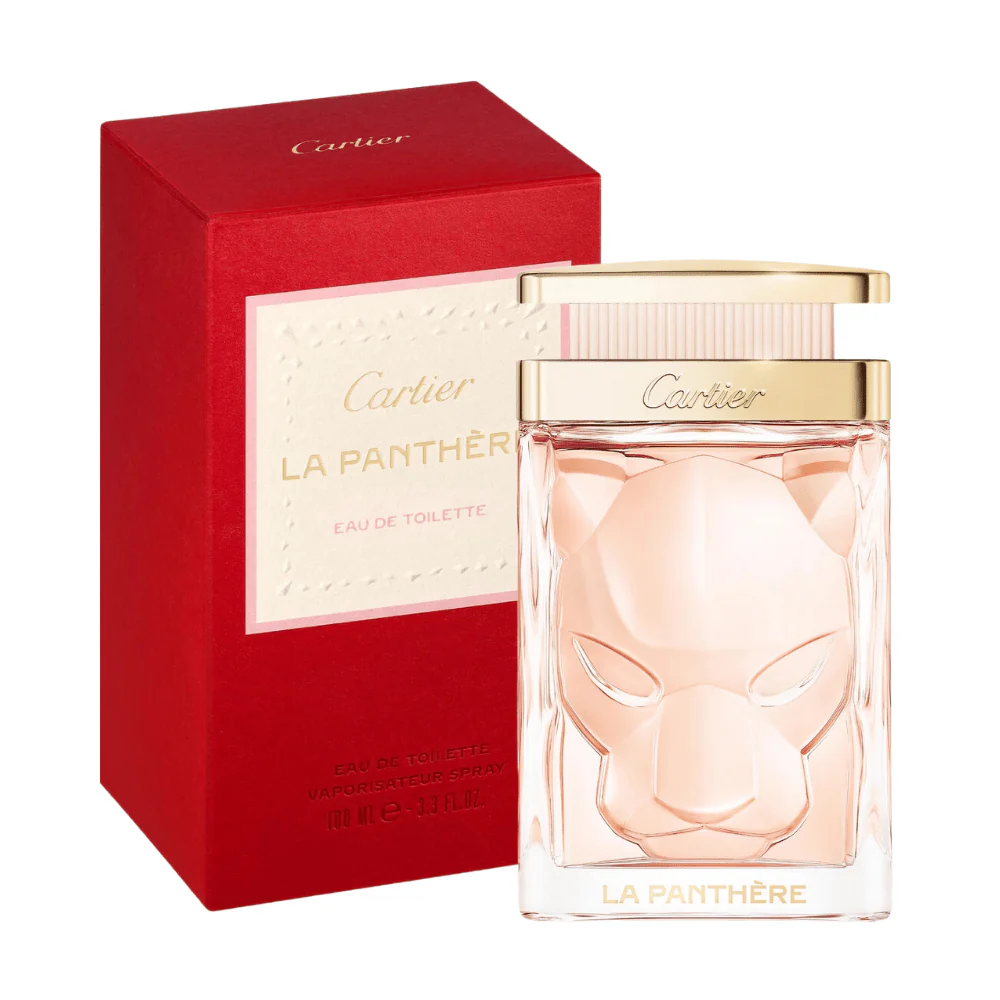
- La Panthère (2014): Reimagined by Mathilde Laurent, this modern chypre floral with a radiant gardenia and musk accord became an instant classic, powerful yet feminine, embodying the spirit of the Cartier woman.
- Les Heures de Parfum (2009 onwards): Laurent's ultimate expression of artistry. This exclusive collection of haute parfumerie offers numbered, singular scents that explore various facets of time and emotion, showcasing unparalleled craftsmanship and rare ingredients.
Evolution and Enduring Legacy
From initially collaborating with external perfumers to establishing a dedicated in-house nose, Cartier's fragrance division has evolved with a singular focus on authenticity and quality. The brand's evolution reflects a deep understanding that scent, like a precious jewel, must possess character, depth, and longevity.
Today, Cartier stands as a formidable force in haute parfumerie. Its influence is profound, inspiring other luxury houses to invest in in-house perfumers and elevate their fragrance offerings beyond mere commercial ventures. Cartier's perfumes are not just bottles of liquid; they are an extension of its artistic heritage, embodying the same spirit of daring, precision, and timeless elegance that has defined the house since 1847. They are, in essence, invisible jewels, worn on the skin, leaving an unforgettable trail of luxury and sophistication.