The Genesis of a Scent Empire
A whisper of elegance, a statement of defiance – the name Chanel evokes a world where fashion and fragrance intertwine with unparalleled sophistication. While Gabrielle "Coco" Chanel revolutionized women's wardrobes, her legacy in perfumery is equally profound, marked by a pioneering spirit that forever altered the landscape of scent.
Coco Chanel, a woman whose life story is as compelling as her creations, began her empire with millinery before venturing into clothing that freed women from corsetry. Her inherent desire for liberation extended to every facet of a woman's life, including how she smelled. Rejecting the prevalent single-note florals of her era, Chanel envisioned a fragrance that was complex, abstract, and truly modern – a scent that encapsulated the liberated woman.
The Visionary: Gabrielle "Coco" Chanel
Born into poverty, Coco Chanel's journey from orphanage to arbiter of style imbued her with an unwavering vision and a fierce independence. She understood the power of an identity, and for her, fragrance was not merely an accessory but an invisible part of one's personality, a final touch that completed the silhouette. This led her to seek a perfumer who could translate her audacious vision into an olfactory masterpiece.
The Birth of an Icon: Chanel No. 5
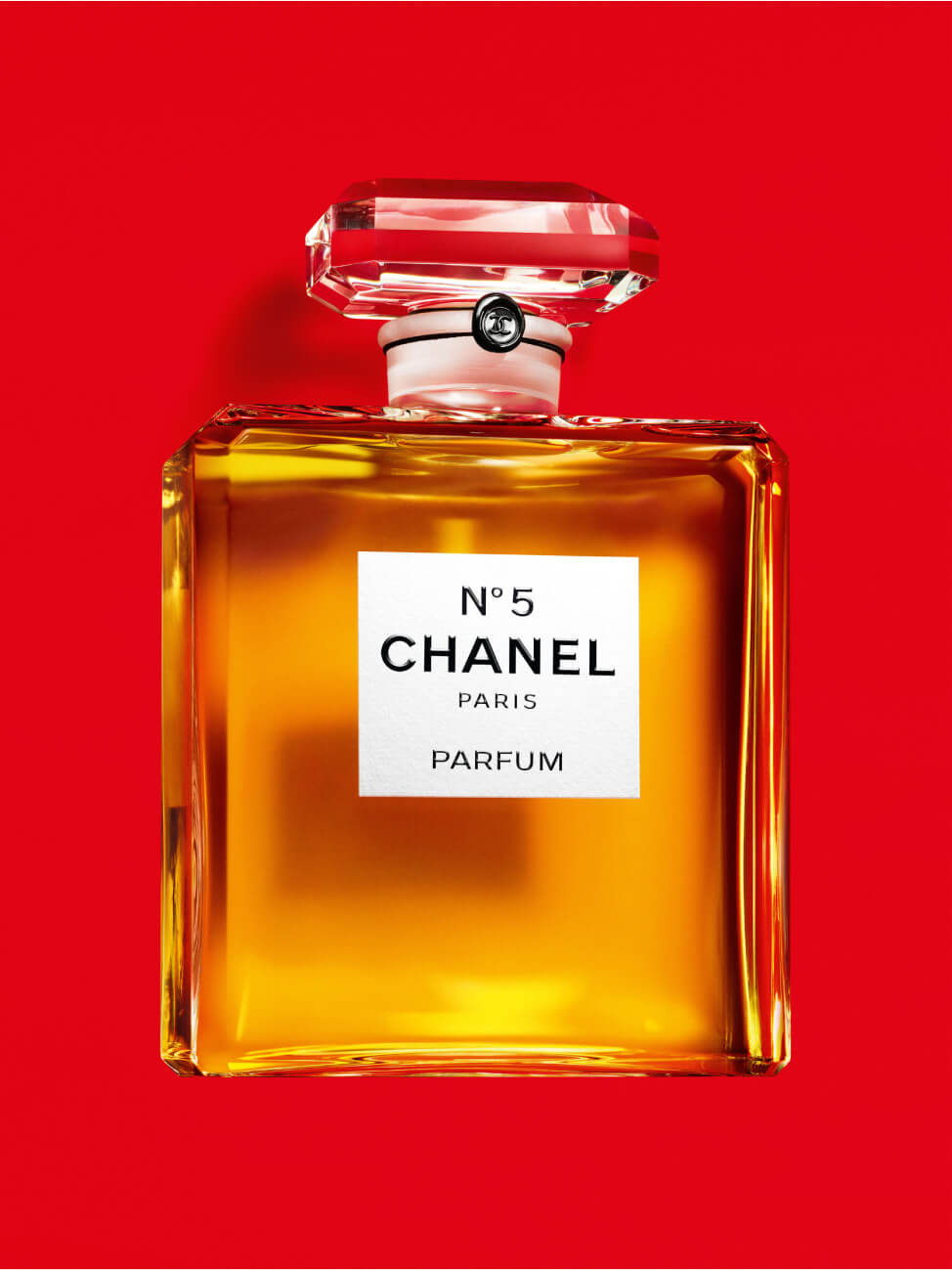
In 1921, Chanel commissioned Ernest Beaux, a former perfumer to the Russian Tsars, to create this revolutionary scent. She famously requested "a woman's scent that smells like a woman," not a garden. Beaux presented her with ten samples; she chose the fifth. This was not just a number, but a new epoch in perfumery.
- A Radical Composition: Chanel No. 5 was groundbreaking for its unprecedented use of aldehydes, synthetic compounds that lent the fragrance its sparkling, abstract quality, lifting the traditional floral bouquet of jasmine, rose, and ylang-ylang into something ethereal and utterly modern.
- The Power of Simplicity: Its minimalist laboratory-bottle design, a stark contrast to the ornate flacons of the time, reflected Coco's modernist aesthetic and emphasized the scent's internal complexity.
- Marketing Genius: Coco herself was its first ambassador, wearing it exclusively, making it synonymous with sophistication and modernity.
Expanding the Olfactory Universe
While No. 5 remains the undisputed icon, Chanel's perfume house continued to innovate, building a diverse and distinguished fragrance portfolio.
Beyond No. 5: A Symphony of Scents
- Chanel No. 19 (1970): Launched just before her death, this green, powdery chypre was Coco's personal scent, a testament to her bold and uncompromising spirit, named after her birthdate.
- Coco (1984): A rich, opulent oriental created by Jacques Polge, a tribute to Coco's Baroque side and the brand's enduring legacy in the post-Coco era.
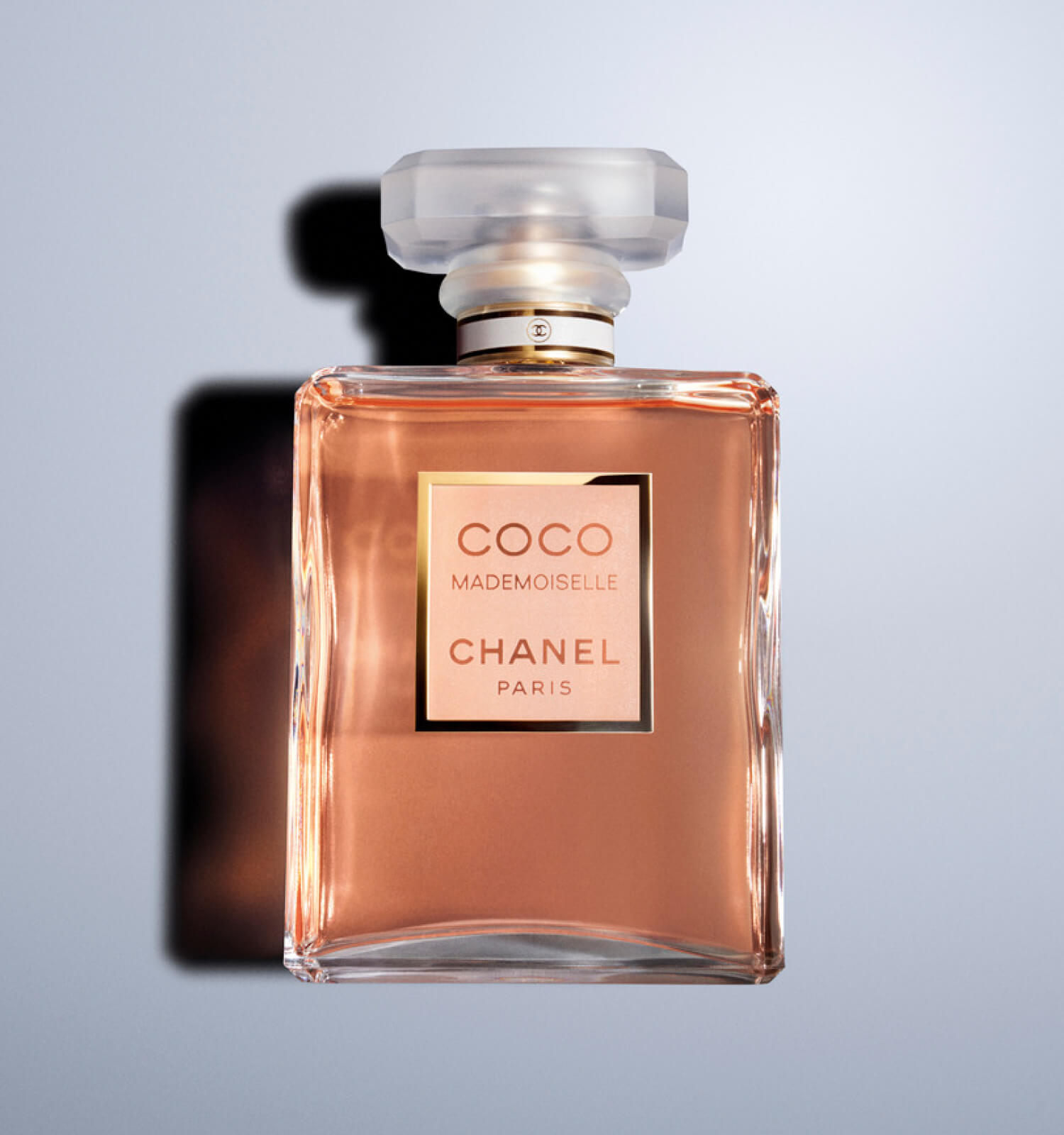
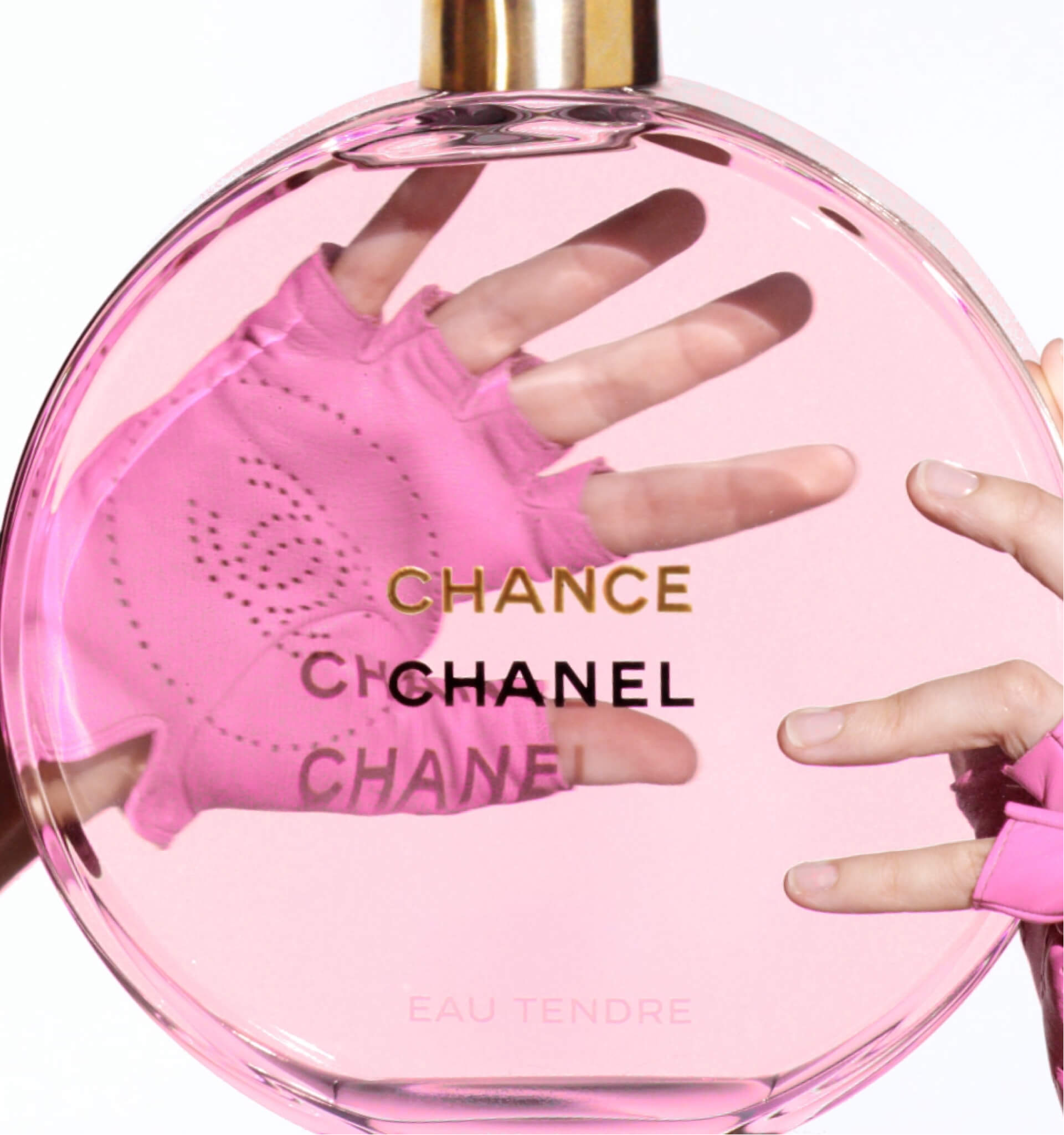
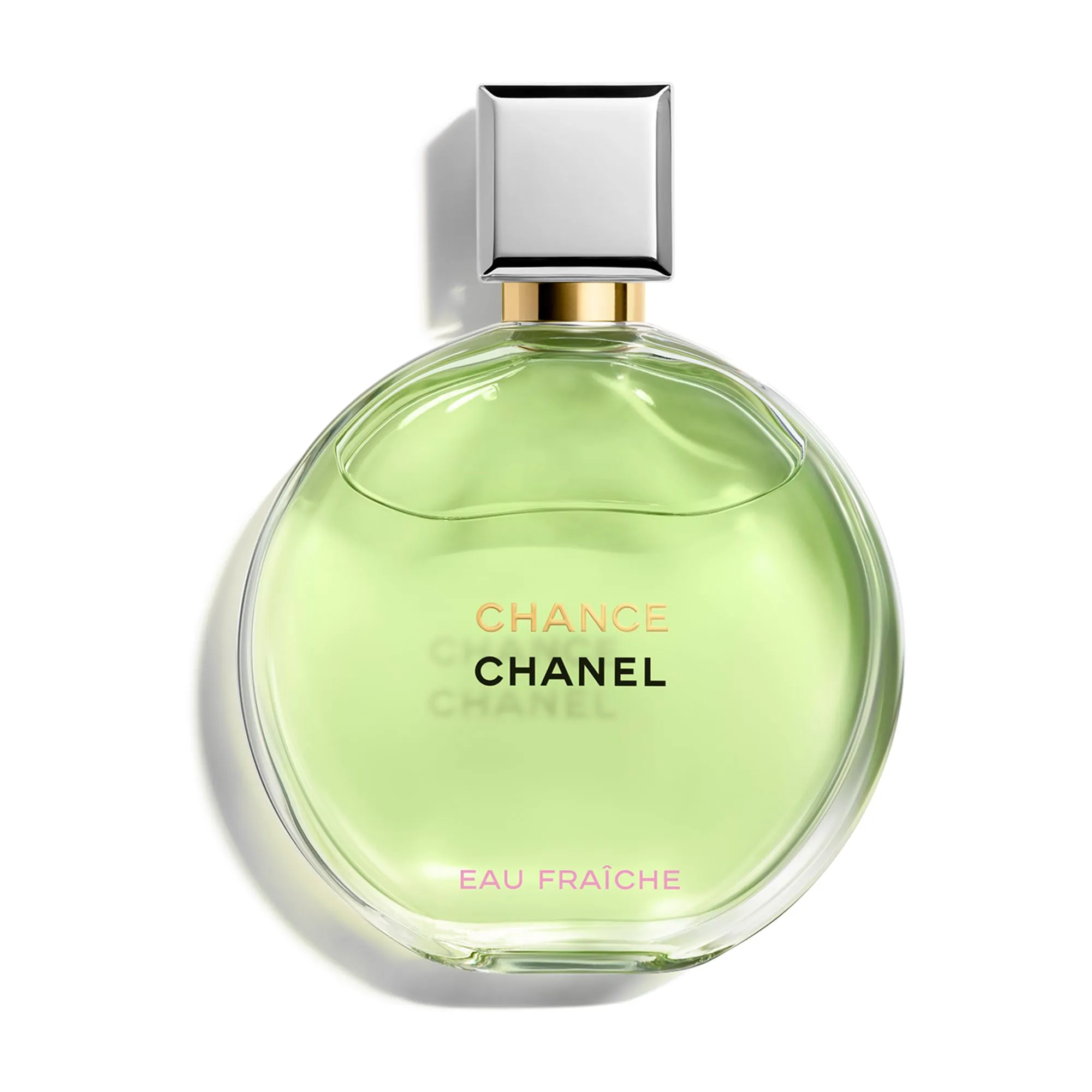
- Allure (1996), Chance (2002), Coco Mademoiselle (2001): These contemporary successes broadened Chanel's appeal, introducing fresh, vibrant interpretations of the brand's elegant DNA to new generations.
- Les Exclusifs de Chanel: A prestigious collection of niche fragrances, launched in 2007, that delves into Coco's life, homes, and inspirations, offering connoisseurs a deeper journey into the brand's heritage.
The Wertheimer Legacy and Perfumers
The visionary partnership between Coco Chanel and Pierre Wertheimer, who acquired the rights to Parfums Chanel in 1924, ensured the house's independence and commitment to uncompromising quality. This continuity has been upheld by a succession of esteemed house perfumers: Ernest Beaux, Henri Robert, Jacques Polge (from 1978-2015), and currently, his son Olivier Polge. Each has safeguarded the integrity of the original creations while thoughtfully expanding the collection.
Brand Evolution and Enduring Influence
Chanel's fragrance division has consistently demonstrated an unwavering commitment to luxury, artistry, and timelessness. It has evolved by:
- Maintaining Exclusivity: Even as the brand expanded globally, it meticulously controlled distribution and upheld a high standard of quality, from ingredients to packaging.
- Iconic Advertising: Utilizing legendary photographers and faces, Chanel's campaigns have always been art forms in themselves, reinforcing the brand's aspirational image.
- A Source of Inspiration: Chanel's approach to fragrance – from its abstract compositions to its minimalist aesthetic – influenced countless other designer houses, setting benchmarks for quality and creative direction.
The history of Chanel perfumery is a testament to the enduring power of a singular vision. From Coco Chanel's audacious challenge to conventional perfumery to the Wertheimer family's steadfast guardianship, the house has consistently crafted fragrances that transcend fleeting trends. Chanel's perfumes are not just scents; they are stories, statements, and enduring symbols of elegance, independence, and the timeless allure of modern womanhood, forever etched into the annals of olfactory history.