The Genesis of a Modern Classic
In the vibrant, often enigmatic world of perfumery, few brands have captured the zeitgeist quite like Commodity. Born in 2014 from the innovative minds of Ash Huzenlaub and Simon Huck, Commodity set out with a clear, ambitious vision: to demystify luxury fragrance. At a time when the industry often leaned into elaborate narratives and gender-specific marketing, Commodity championed a refreshingly minimalist, gender-neutral approach. Their initial concept revolved around everyday 'commodities' – abstract concepts or familiar elements translated into wearable scents, housed in sleek, uniform black and white packaging. This understated aesthetic was a deliberate choice, intended to shift the focus entirely onto the juice inside, inviting wearers to discover scents based on personal preference rather than predefined roles.
A Trio of Trailblazers: Early Successes
Commodity quickly carved a significant niche for itself, particularly through its strategic partnership with Sephora, which provided widespread accessibility. The brand's initial offerings resonated deeply with a new generation of fragrance lovers seeking authenticity and individuality.
Book, Gold, and Rain
- Book: An instant hit, Book became synonymous with cozy, intellectual sophistication. Its blend of woodsy notes, crisp paper, and a hint of spice evoked the comforting embrace of a well-loved library, appealing to those who appreciated a scent that felt both intimate and distinctive.
- Gold: Offering a warm, opulent, and slightly gourmand experience, Gold quickly became a staple for those seeking a rich, inviting aroma. Its blend of amber, vanilla, and molten nuances delivered a luxurious warmth without being overpowering.
- Rain: A fresh, aquatic, and surprisingly complex scent, Rain captured the serene essence of a post-storm atmosphere. Its clean, dewy notes provided a refreshing counterpoint to the more potent offerings, showcasing Commodity's versatility.
These early successes cemented Commodity's reputation as a brand that understood the pulse of modern fragrance desires.
The Interlude and Rebirth
Just as Commodity seemed to be reaching its zenith, the brand faced an unexpected challenge. In 2019, much to the dismay of its growing legion of fans, Commodity announced it would cease operations. This abrupt halt left a void in the market and ignited a passionate outcry from consumers who had come to cherish its unique offerings.
However, the story of Commodity is also one of remarkable resilience. In 2020, the brand experienced a phoenix-like rebirth under new ownership. Acquired by VCM, led by industry veteran Vicken Arslanian, Commodity was meticulously relaunched with a renewed commitment to its founding principles. Arslanian and his team recognized the enduring appeal of Commodity's original vision and set about not just resurrecting the brand, but evolving it for a new era.
Evolving the Scent Space: The Modern Commodity
The relaunch marked a significant evolution, introducing the innovative "Scent Space" concept. This brilliant framework empowered customers to choose their desired intensity for each fragrance, categorizing them into three distinct profiles:
- Personal (-): Designed to sit close to the skin, offering an intimate scent experience.
- Expressive ( ): The original, balanced intensity, suitable for everyday wear.
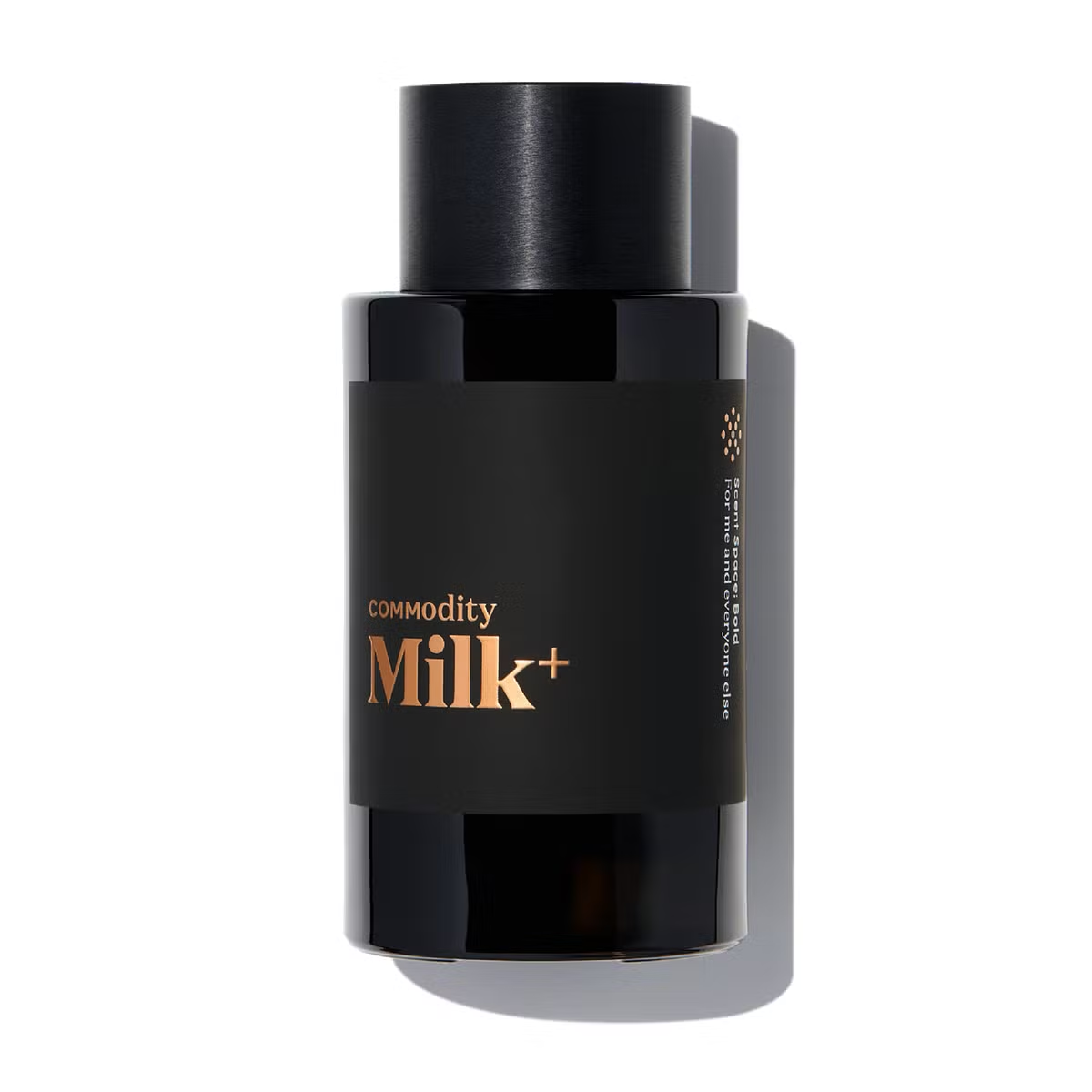
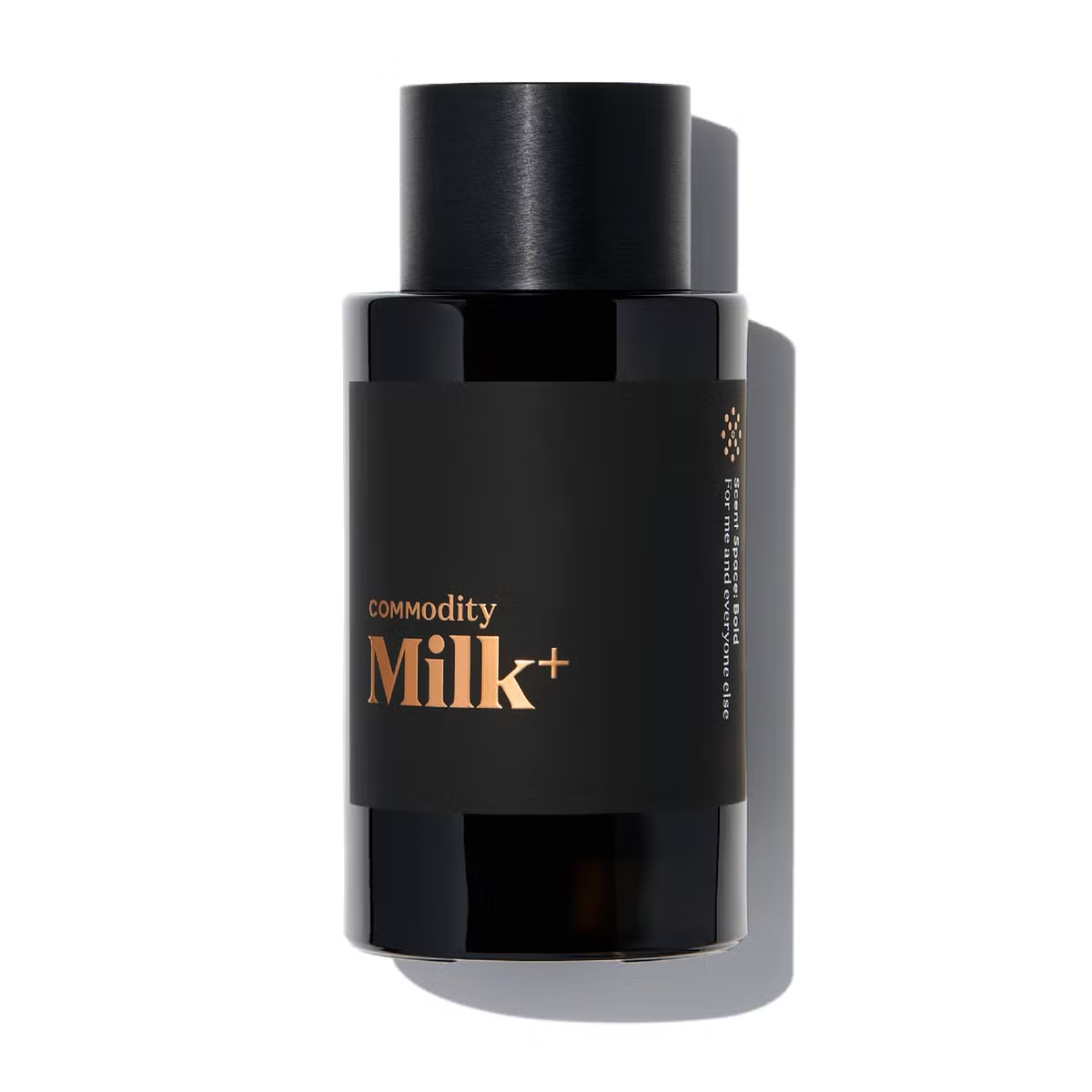
- Bold (+): A more amplified and long-lasting version, making a confident statement.
This personalization greatly enhanced the user experience, allowing individuals to truly tailor their fragrance to their mood and occasion. The brand also expanded its iconic lineup, introducing beloved new scents like Milk and Paper, while re-releasing classics like Book and Gold within the Scent Space framework.
Iconic Scents Reimagined
- Milk: A standout success of the relaunched era, Milk quickly gained cult status. Its unique blend of creamy, sweet, and comforting notes evokes childhood memories and cozy warmth, offered in varying intensities to suit individual preferences.
- Paper: Another popular addition, Paper delves into minimalist elegance with clean, woody, and slightly ethereal notes, providing a crisp and understated sophistication.
This innovative approach not only preserved Commodity's original charm but also propelled it forward, solidifying its place as a leader in personalized perfumery.
Legacy and Influence in the Niche Market
Commodity's journey is a powerful testament to innovation and endurance. It pioneered the minimalist, gender-neutral fragrance movement, emphasizing accessible luxury and direct communication with its audience. Its success underscored the growing consumer demand for transparency, high-quality ingredients, and a departure from traditional marketing tropes.
The brand's resilience—its ability to fade away and then return stronger, more refined, and even more customer-centric—has left an indelible mark on the niche fragrance landscape. Commodity continues to influence how brands approach scent creation, presentation, and the crucial connection with their community. It stands as a beacon for modern perfumery, proving that a clear vision, combined with adaptability and a deep understanding of the customer, can create a truly timeless and beloved brand.