A Vision Born: The Dawn of Dior Perfume
The House of Dior, synonymous with unparalleled elegance and revolutionary fashion, began its olfactory journey almost simultaneously with its sartorial debut. Christian Dior, a man of refined taste and an intuitive understanding of a woman's desire for complete allure, famously declared, "Perfume is the indispensable complement to a woman's personality, the final touch to a dress." This profound belief laid the groundwork for what would become one of the world's most iconic perfume houses.
Founded in 1946, the fashion house launched its groundbreaking "New Look" collection in 1947, reshaping post-war femininity. But alongside the cinched waists and voluminous skirts came a fragrant revolution: Miss Dior. Dior entrusted the development of his first fragrance to Serge Heftler-Louiche, director of his newly formed perfume division, and perfumers Jean Carles and Paul Vacher. This partnership ensured that Dior's vision of beauty was holistic, encompassing both sight and scent.
Iconic Scents: A Legacy of Olfactory Masterpieces
Miss Dior (1947): The Scent of the New Look
Miss Dior wasn't just a perfume; it was an extension of the "New Look" itself – a vibrant, sophisticated chypre-floral that embodied the joyous spirit of a woman blossoming after years of austerity. Its green, galbanum-laced opening, leading into a heart of jasmine and gardenia, and a mossy, patchouli base, perfectly captured the era's renewed optimism and elegant defiance. It remains a cornerstone of the brand, continually reinterpreted while retaining its foundational charm.
Revolutionary Florals and Masculine Milestones
- Diorissimo (1956): A testament to Christian Dior's personal love for lily-of-the-valley, this fragrance, created by the legendary Edmond Roudnitska, was a pioneering soliflore. Diorissimo was revolutionary in its ability to capture the fresh, delicate scent of muguet, a notoriously difficult note to recreate, making it a masterpiece of naturalism and elegance.
- Eau Sauvage (1966): Another Roudnitska creation, Eau Sauvage marked Dior's bold entry into men's perfumery. This refreshing, sophisticated citrus aromatic broke new ground for masculine scents, featuring an innovative use of hedione, a molecule that brought unparalleled freshness and radiance. It quickly became a timeless classic, defining masculine elegance for generations.
Bold Declarations: From Poison to J'adore
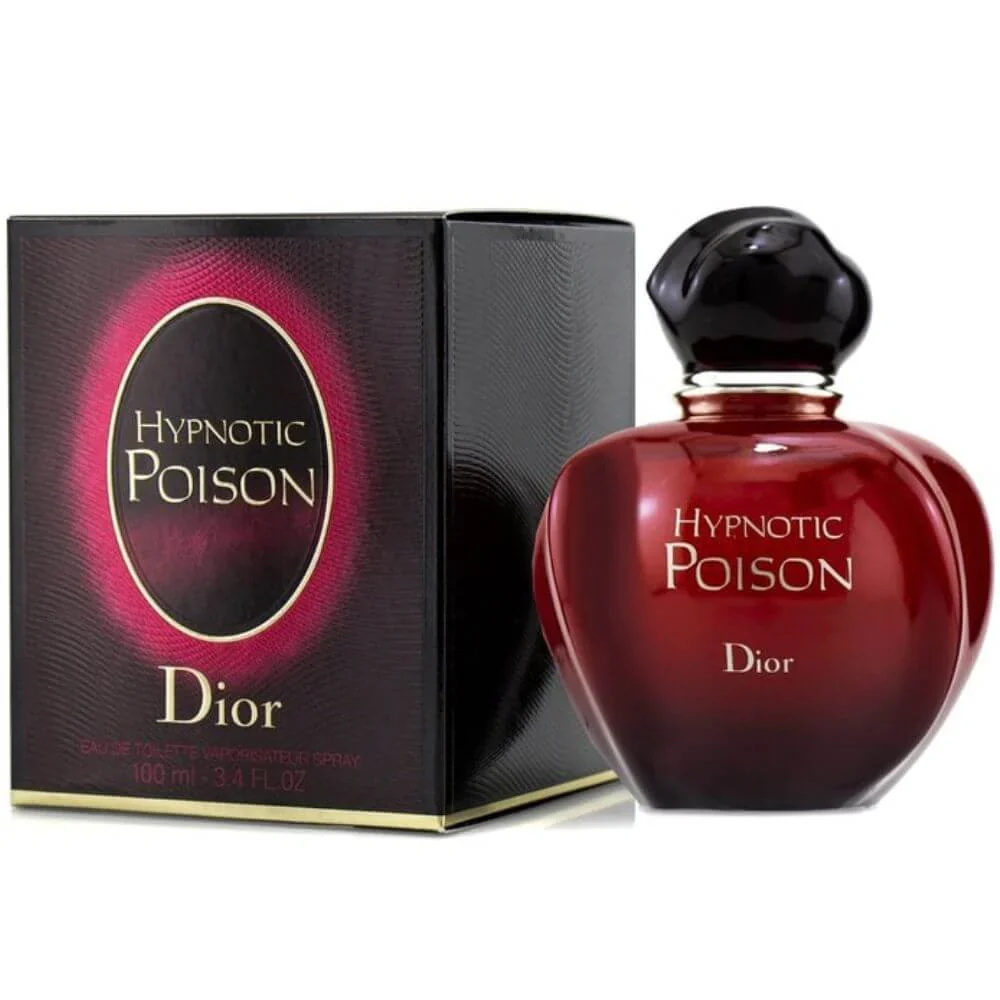
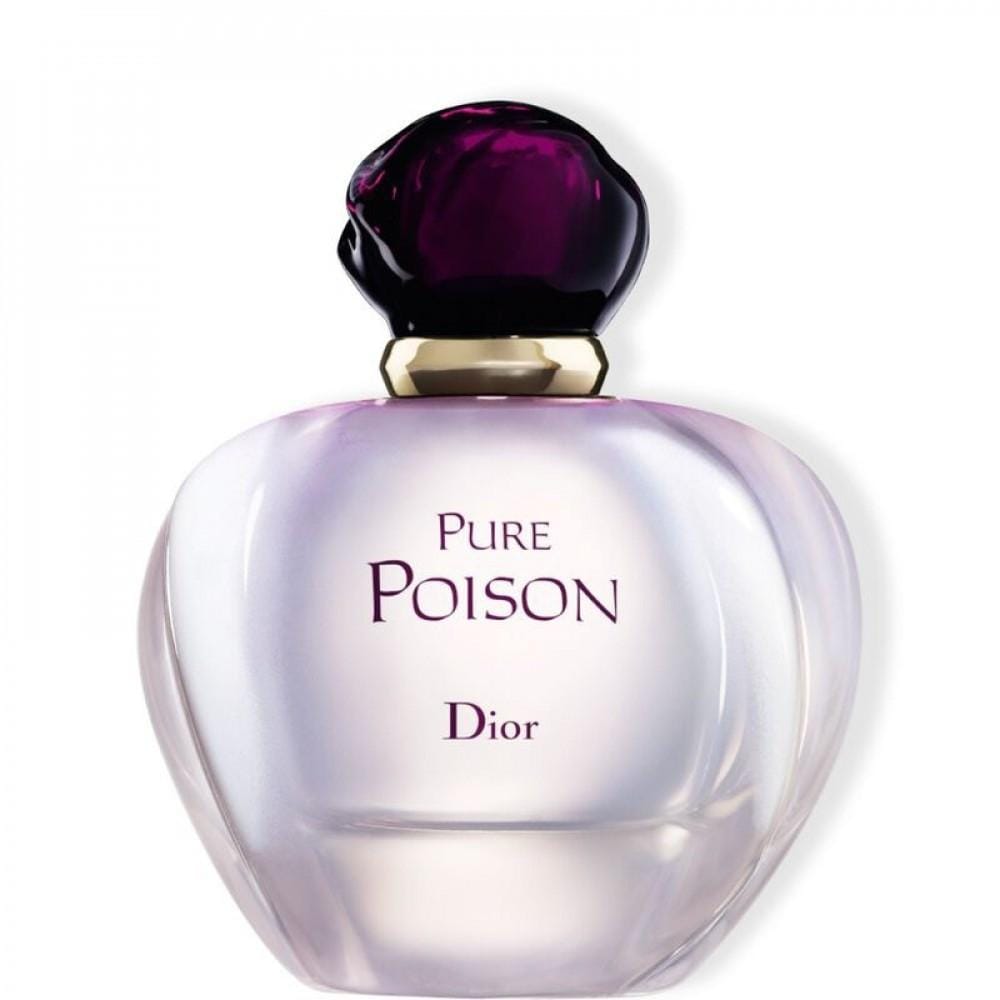
The 1980s saw Dior embracing a new era of opulent, powerful perfumery. Poison (1985), created by Edouard Fléchier, was a daring departure – an intoxicating, tuberose-laden oriental that was unapologetically bold and provocative. It was a fragrance that commanded attention, perfectly encapsulating the decade's excess and confidence.
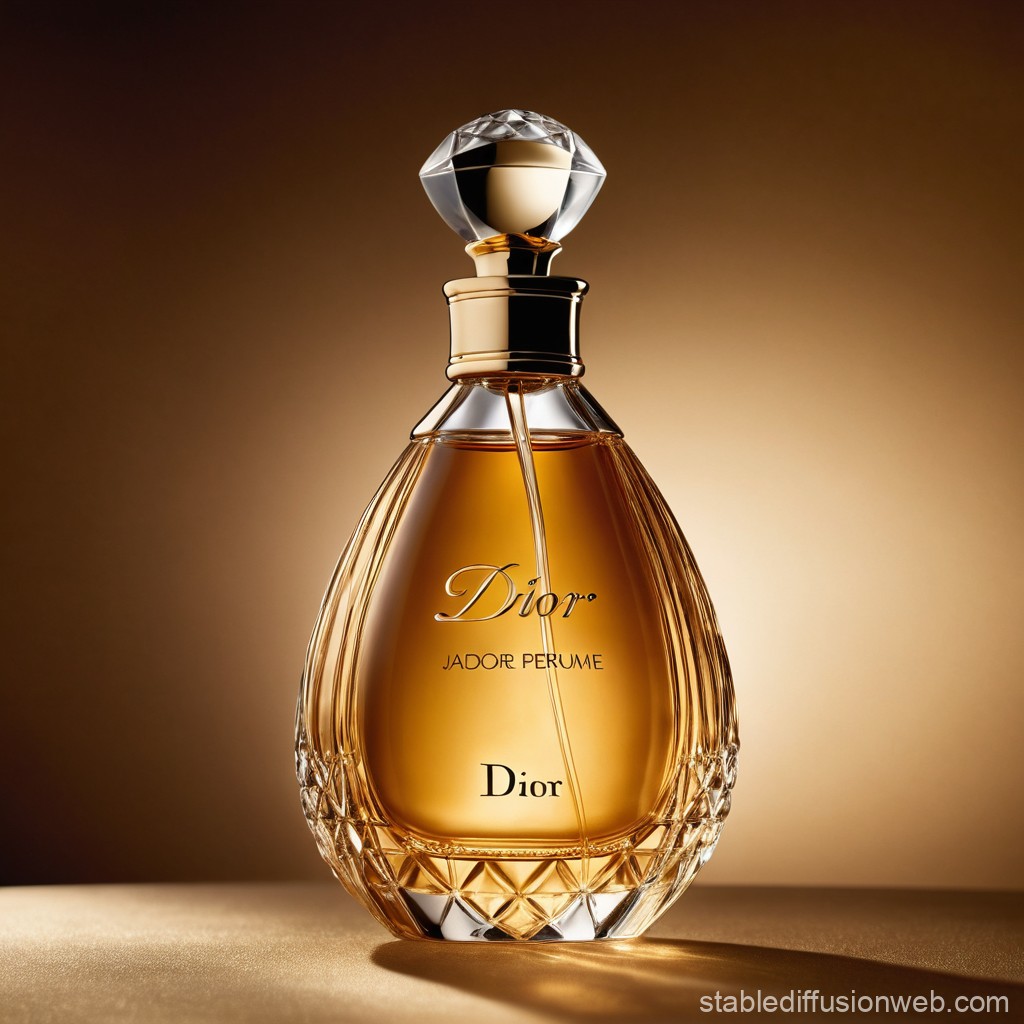
The 1990s brought a shift towards more serene, yet equally impactful, creations. Dune (1991) offered a warm, amber-floral escape, evoking the peace of a seaside landscape. As the millennium approached, Dior launched another global phenomenon: J'adore (1999). Crafted by Calice Becker, this luminous, golden floral bouquet became an instant icon, celebrated for its exquisite blend of ylang-ylang, Damascus rose, and jasmine, embodying ultimate femininity and sophistication.
Modern Icons and Evolving Expressions
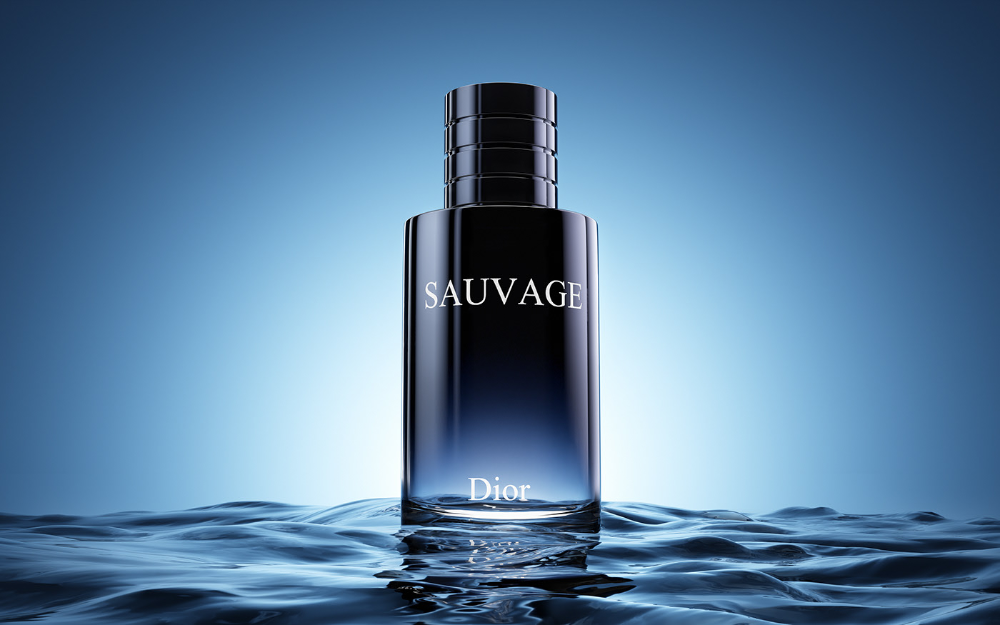
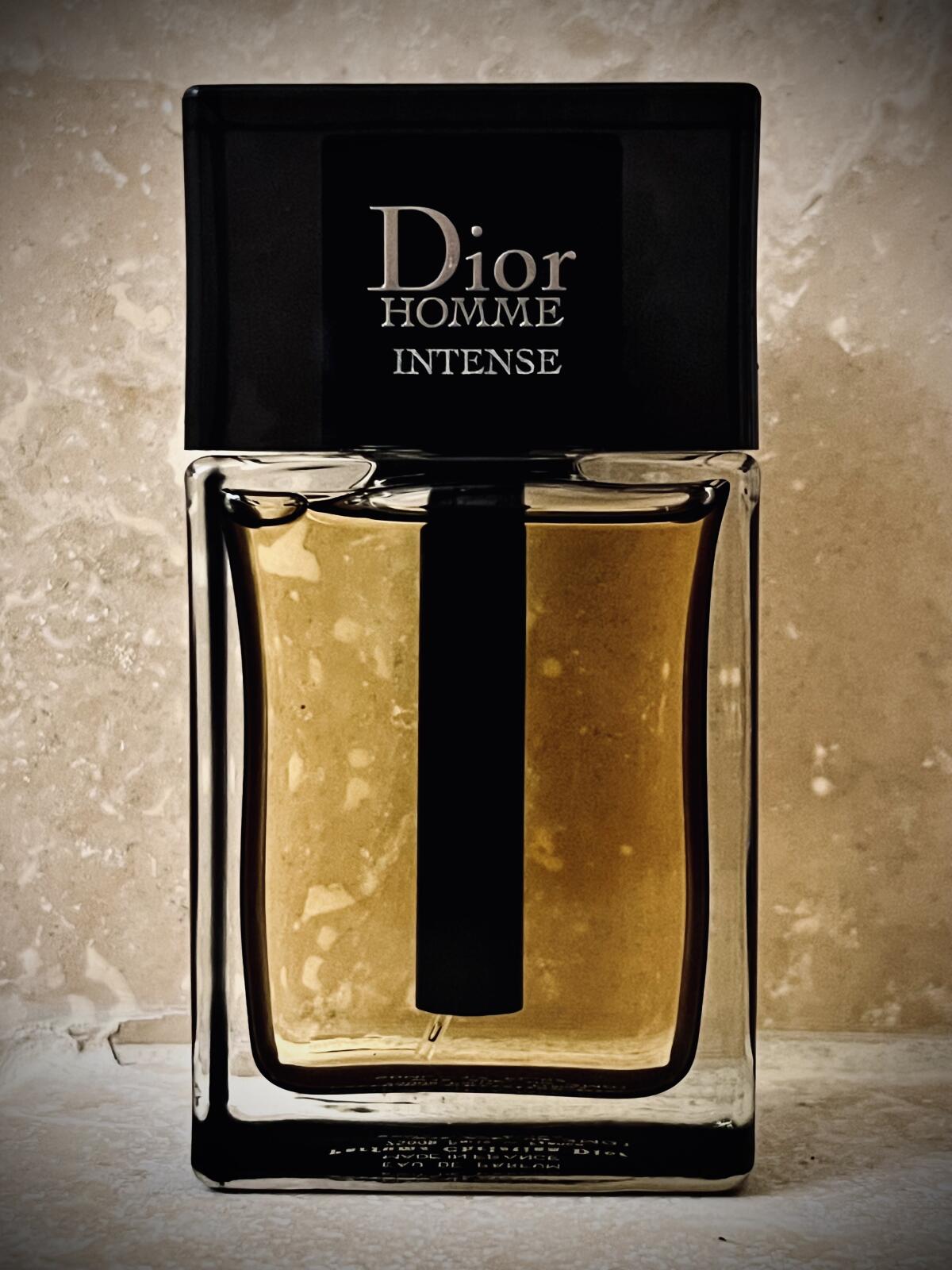
Dior continued to innovate into the 21st century, under the guidance of renowned perfumers like François Demachy, Dior's in-house perfumer for many years, and now Francis Kurkdjian. Fragrances like Dior Homme (2005) revolutionized men's perfumery with its prominent iris note, offering a sophisticated, elegant, and somewhat unexpected scent profile for men. More recently, Sauvage (2015), also by Demachy, presented a modern, fresh, and raw interpretation of masculinity, becoming a colossal commercial success and a staple in contemporary fragrance wardrobes.
Legacy and Influence: An Enduring Aura
Dior's impact on the world of fragrance is immense and enduring. From Christian Dior's initial vision to seamlessly integrate fashion and fragrance, to the meticulous craftsmanship and innovative spirit of its perfumers, the brand has consistently pushed boundaries while maintaining its core identity of luxury and elegance. Dior perfumes are not merely scents; they are stories, emotions, and timeless expressions of identity, each bottle holding a piece of a legendary history. The house continues to influence trends, inspire perfumers, and captivate enthusiasts worldwide, ensuring its place as a beacon of olfactory excellence for generations to come.