The Genesis of an Olfactory Icon
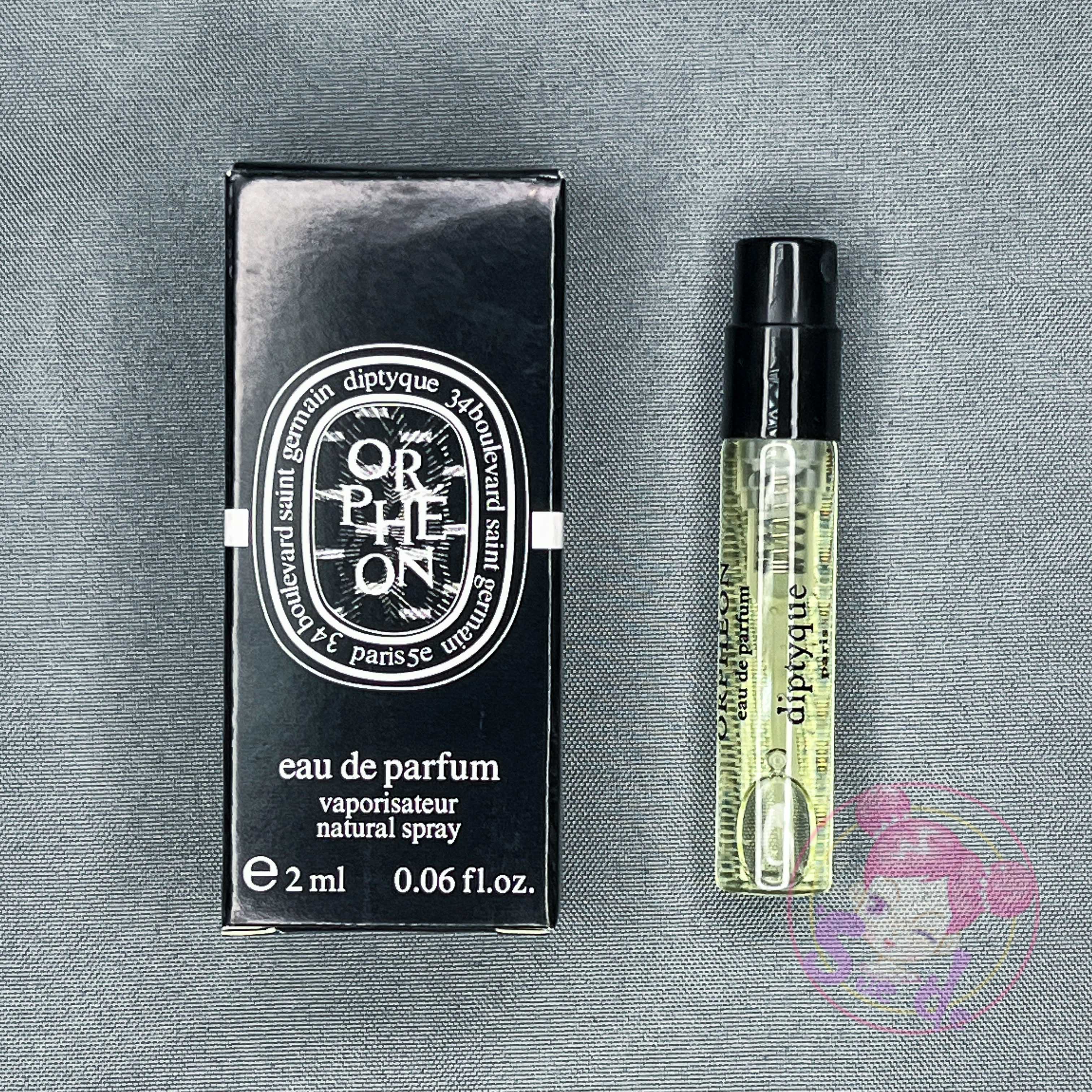
In the vibrant, artistic heart of 1960s Paris, a remarkable story began to unfold. Diptyque, a name now synonymous with sophisticated and evocative perfumery, was not born as a fragrance house, but as an eclectic boutique at 34 Boulevard Saint-Germain. Founded in 1961 by three friends – Desmond Knox-Leet, a painter; Yves Coueslant, a theatre director and set designer; and Christiane Gautrot, a textile designer – Diptyque was initially a unique bazaar. It was a place where they showcased their own designs, alongside carefully curated fabrics, furniture, and objets d'art discovered during their travels. This initial venture, brimming with artistic spirit and a keen eye for beauty, laid the foundation for a brand that would eventually redefine the world of niche perfumery.
From Bazaar to Botanical Bliss
The transition from a design haven to a fragrant empire was organic, almost serendipitous. In 1963, inspired by their passion for natural scents and the desire to extend their aesthetic into the olfactory realm, Diptyque launched its first scented candles: Aubépine (Hawthorn), Cannelle (Cinnamon), and Thé (Tea). These innovative creations, much like their other offerings, were an immediate success, capturing the imagination of Parisians with their distinctive aromas and elegant presentation. The candles marked Diptyque's true entry into the world of scent, a step that would prove pivotal.
It wasn't until 1968 that Diptyque introduced its first personal fragrance, L'Eau. Drawing inspiration from a 16th-century potpourri recipe, L'Eau was a pioneering gender-neutral scent, rich with notes of cinnamon, clove, and rose. This bold, unconventional debut challenged traditional perfumery norms and cemented Diptyque's reputation as a brand unafraid to explore new aromatic territories.
The Visionaries Behind the Scents
The creative synergy of the three founders was the driving force behind Diptyque's unique identity. Each brought a distinct artistic perspective that infused the brand with its characteristic blend of bohemian charm and refined elegance:
- Desmond Knox-Leet: The painter of the trio, responsible for much of Diptyque's visual identity, including the iconic dancing letters on the oval label and many of the early designs.
- Yves Coueslant: With his background in theatre, he brought a sense of narrative and evocative storytelling to the scents, often drawing from personal memories and travel experiences.
- Christiane Gautrot: Her textile design expertise contributed to the brand's aesthetic coherence, ensuring that the packaging and presentation were as artful as the scents themselves.
Their collective love for travel, art, and the unusual infused every product with a sense of discovery and a story waiting to be told.
Olfactory Milestones: Iconic Creations
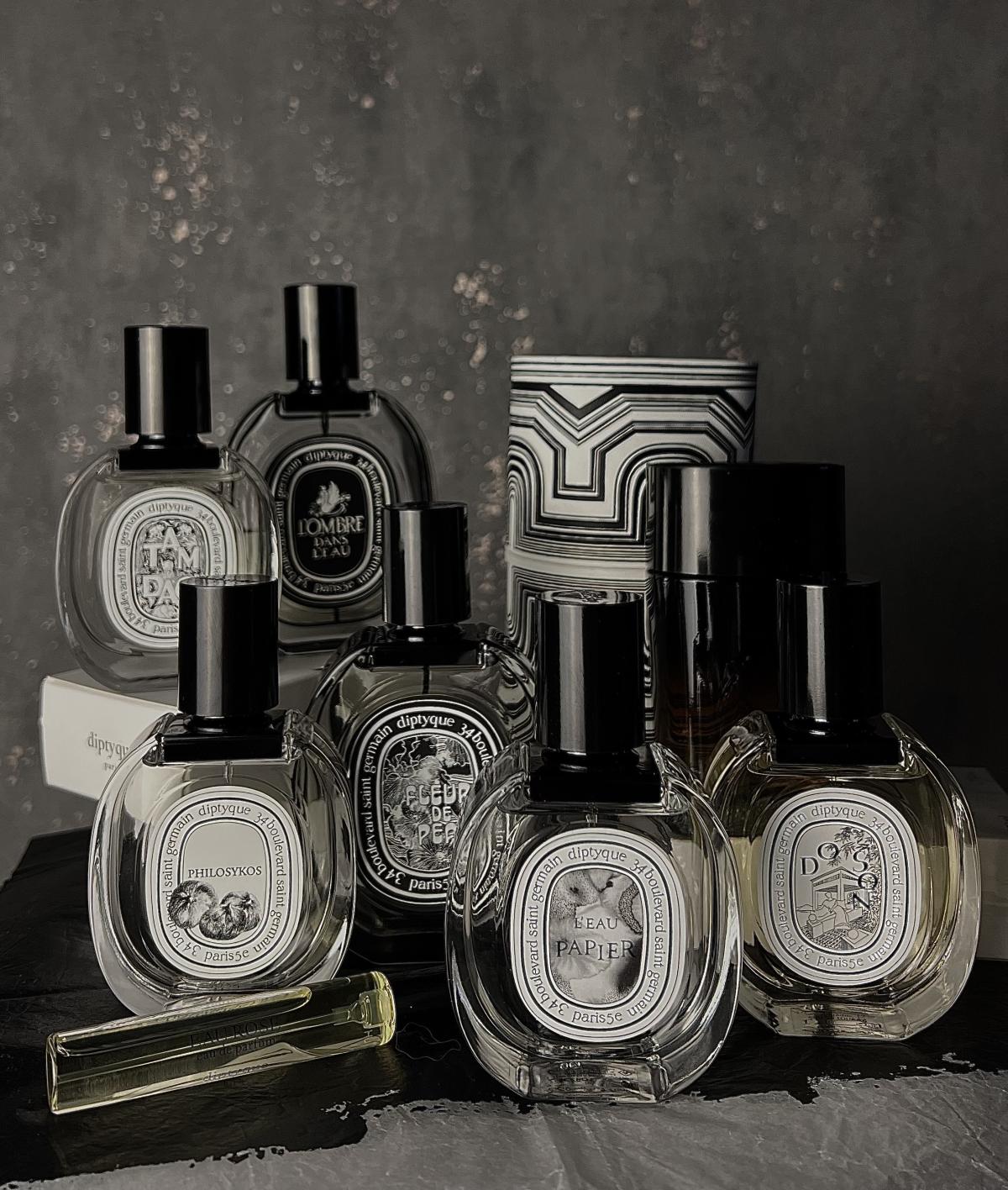
Diptyque's fragrance library is a testament to its innovative spirit, featuring many scents that have achieved cult status and influenced the broader perfume landscape. Each fragrance is conceived as a landscape, a memory, or an abstract concept, brought to life through exquisite raw materials.
- L'Eau (1968): The groundbreaking first eau de toilette, a spicy, historical journey.
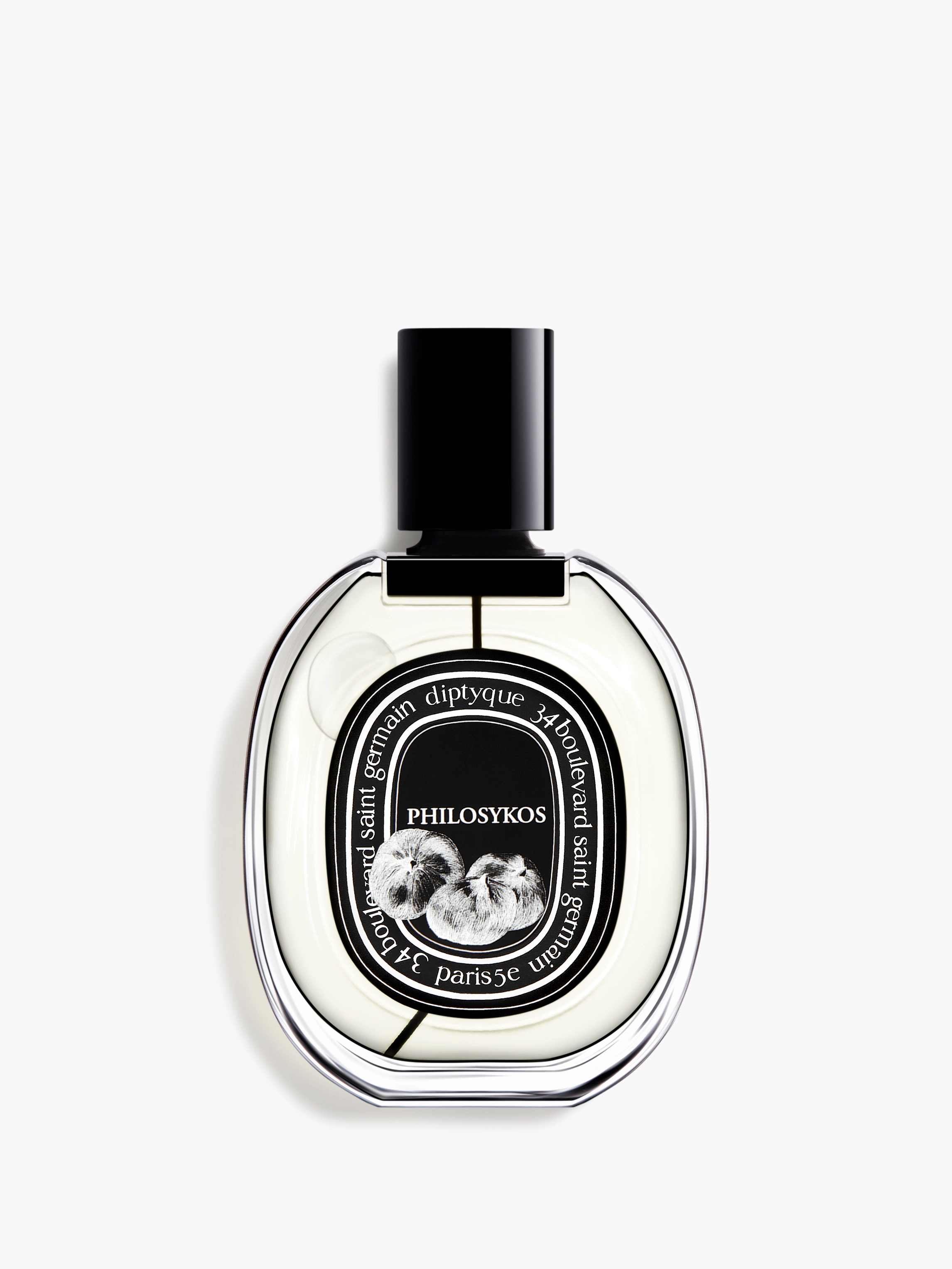
- Philosykos (1996): A revolutionary and hyper-realistic fig scent, capturing every facet of the fig tree, from leaf to fruit.
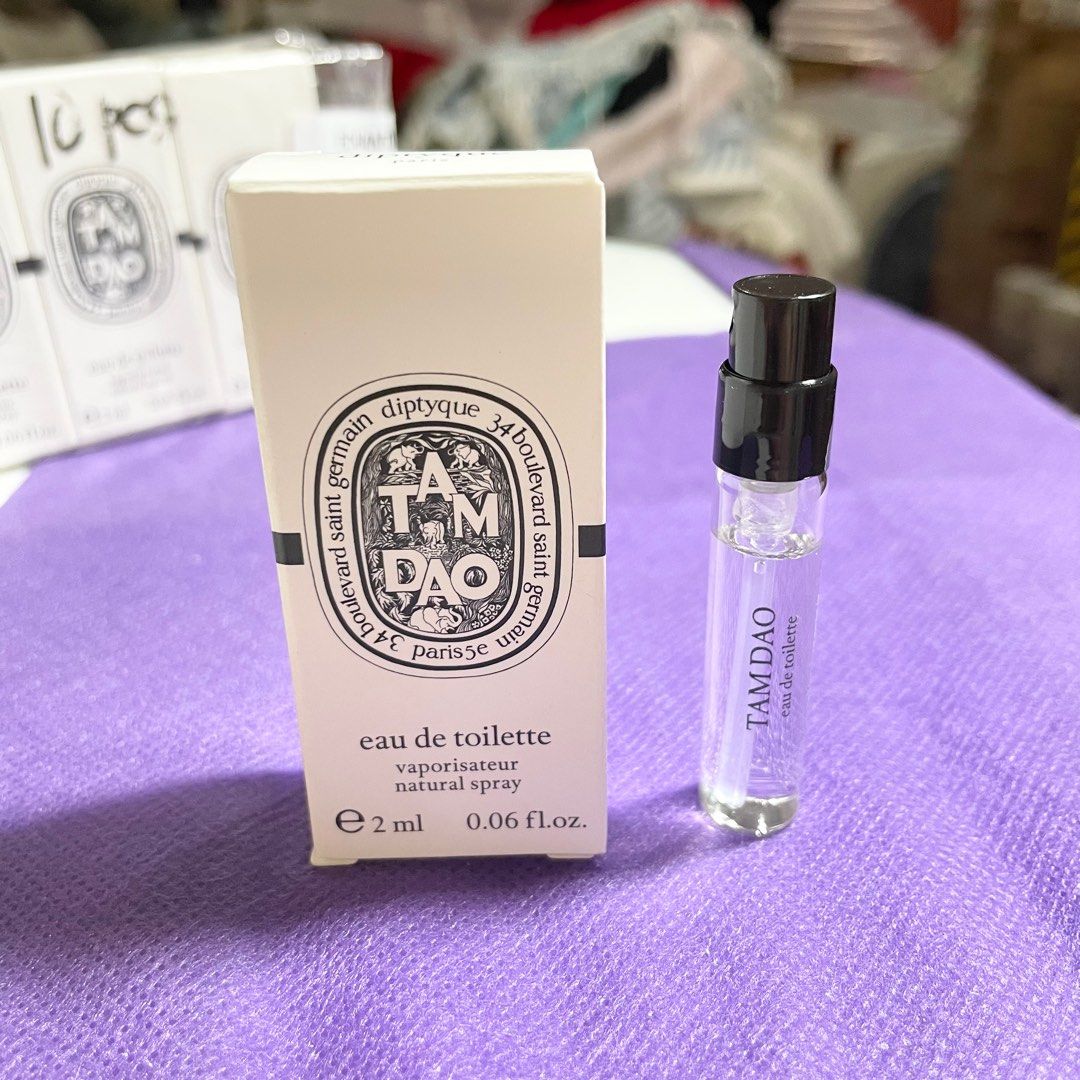
- Tam Dao (2003): A serene and spiritual ode to sandalwood forests, inspired by Yves Coueslant's childhood in Indochina.
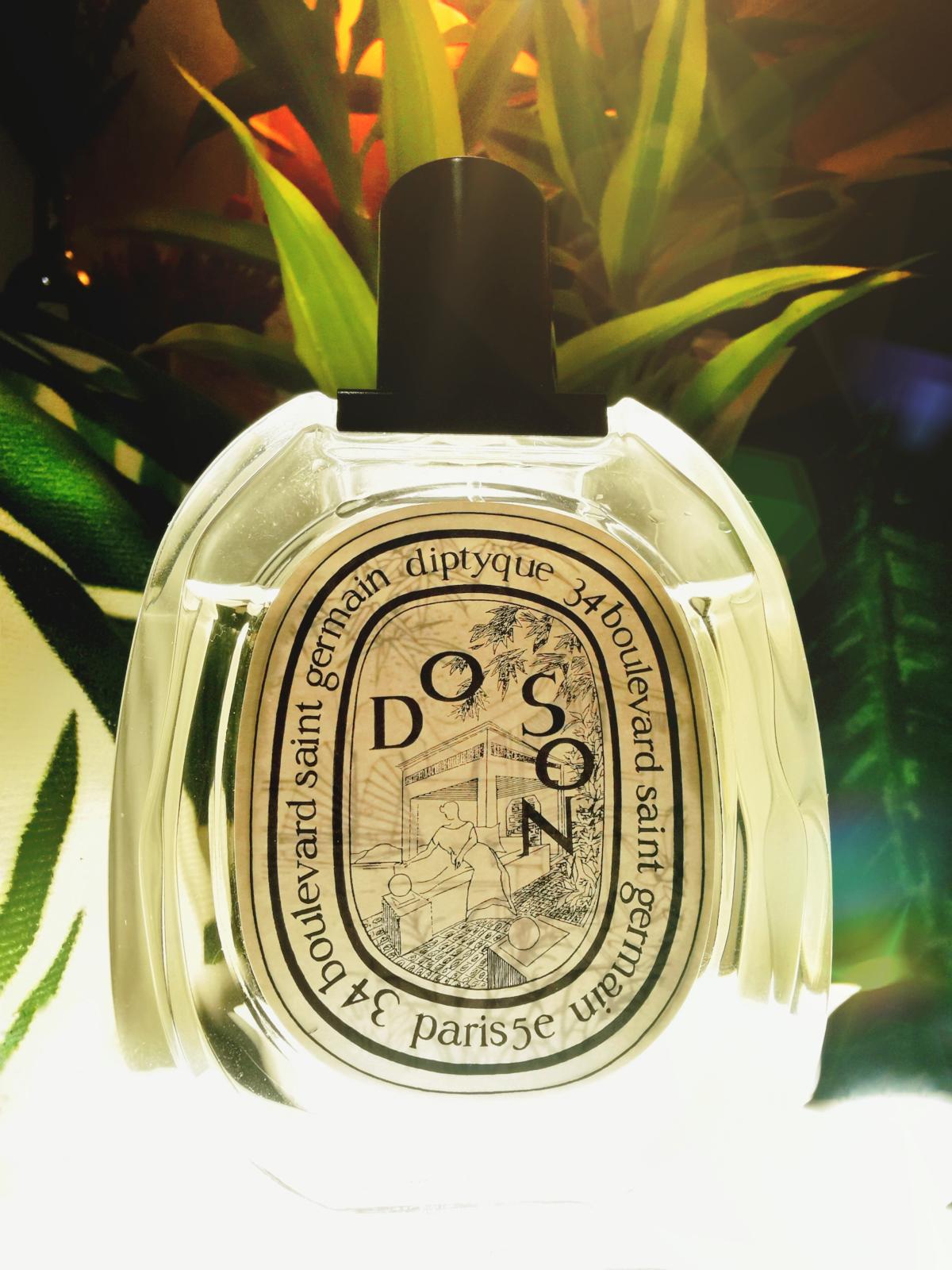
- Dō Son (2005): A breathtaking tuberose, evoking the freshness and heady sweetness of ocean breezes and childhood memories in Vietnam.
- Baies Candle: A perennial bestseller, known for its captivating blend of blackcurrant leaves and Bulgarian roses.
Brand Evolution and Artistic Integrity
Over the decades, Diptyque has evolved from its modest beginnings into a globally recognized luxury brand, yet it has steadfastly maintained its artistic integrity and niche appeal. The brand expanded its offerings to include body care, diffusers, and an array of home fragrances, always with the same meticulous attention to detail and narrative depth.
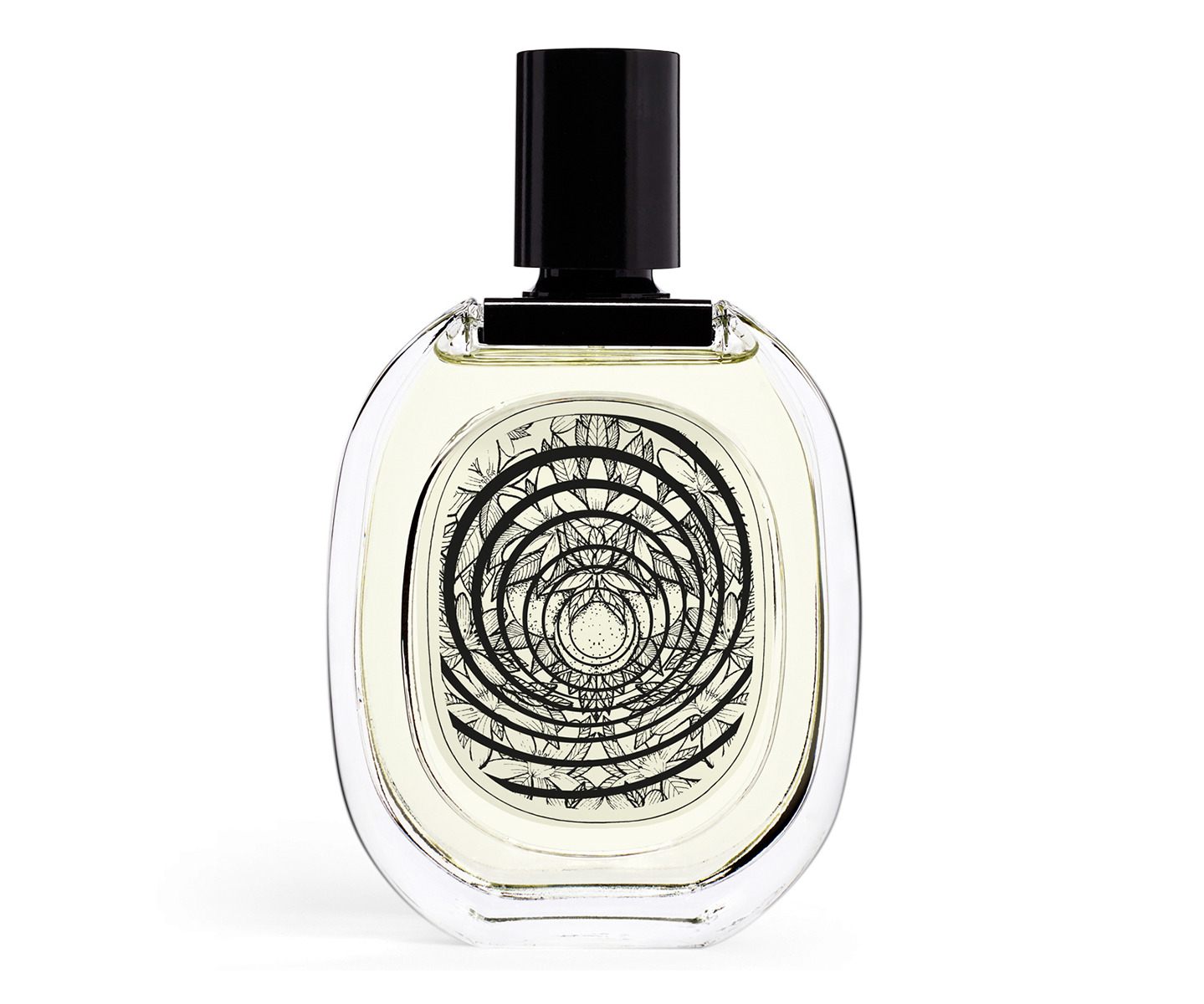
Diptyque's distinctive oval label, inspired by the shape of an 18th-century medallion, remains a powerful visual identifier, symbolizing the brand's commitment to timeless elegance and graphic playfulness. Despite growing commercial success, Diptyque has resisted the temptation to compromise its unique aesthetic or the quality of its ingredients, instead choosing to deepen its exploration of the art of living through scent.
Legacy: A Timeless Allure
Diptyque's legacy is profound. It was a pioneer in the niche perfumery movement, demonstrating that a brand could achieve global recognition by focusing on unique, high-quality compositions rather than mass appeal. It taught the world that scents could tell stories, evoke memories, and transport the wearer to distant lands or cherished moments. Diptyque continues to inspire with its blend of tradition and modernity, its unwavering commitment to artistic expression, and its ability to craft fragrances that are both deeply personal and universally enchanting. It remains a beacon for those who seek not just a perfume, but an olfactory journey.