The Scent of Understated Elegance: Giorgio Armani's Perfume Journey
Giorgio Armani, a name synonymous with understated elegance and sophisticated minimalism, extended his indelible mark from haute couture to the world of perfumery, creating a fragrance empire that mirrors the timeless appeal of his fashion. More than just an accessory, Armani fragrances became an olfactory embodiment of his brand’s philosophy, crafting scents that speak volumes about refined confidence and modern allure.
The Genesis of an Olfactory Empire
Early Vision and First Scents
Giorgio Armani launched his eponymous fashion house in 1975, quickly establishing himself as a titan of Italian fashion with his revolutionary deconstructed tailoring. His intuitive understanding of personal style led him to recognize the profound power of scent to complete an individual's look and evoke emotion. This vision paved the way for his foray into fragrance in the early 1980s, a strategic move to extend his brand's luxurious lifestyle offering.
The pivotal moment arrived with the launch of his first major fragrances: Armani Eau Pour Homme in 1984. Preceded by an earlier women's launch in 1982 (re-launched as Armani Le Parfum in 1984), these initial scents, developed in collaboration with L'Oréal, were groundbreaking. Armani Eau Pour Homme, with its sophisticated citrus-aromatic profile, became an instant classic, defining an era of masculine elegance rooted not in flashy opulence, but in refined confidence. This foundational success laid the groundwork for a fragrance division that would soon rival the fashion house itself in impact and profitability.
The 90s Breakthrough: Acqua di Giò
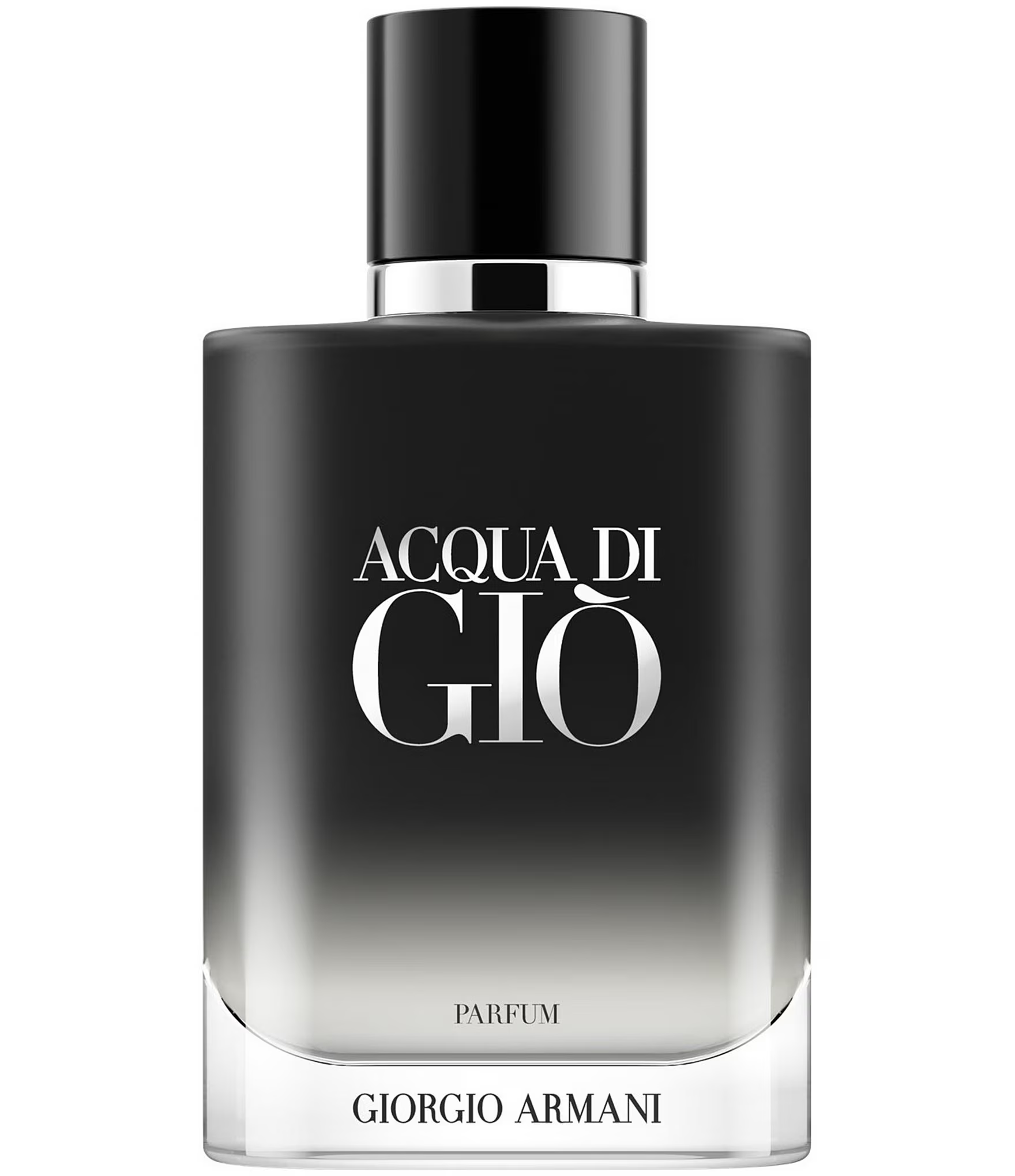
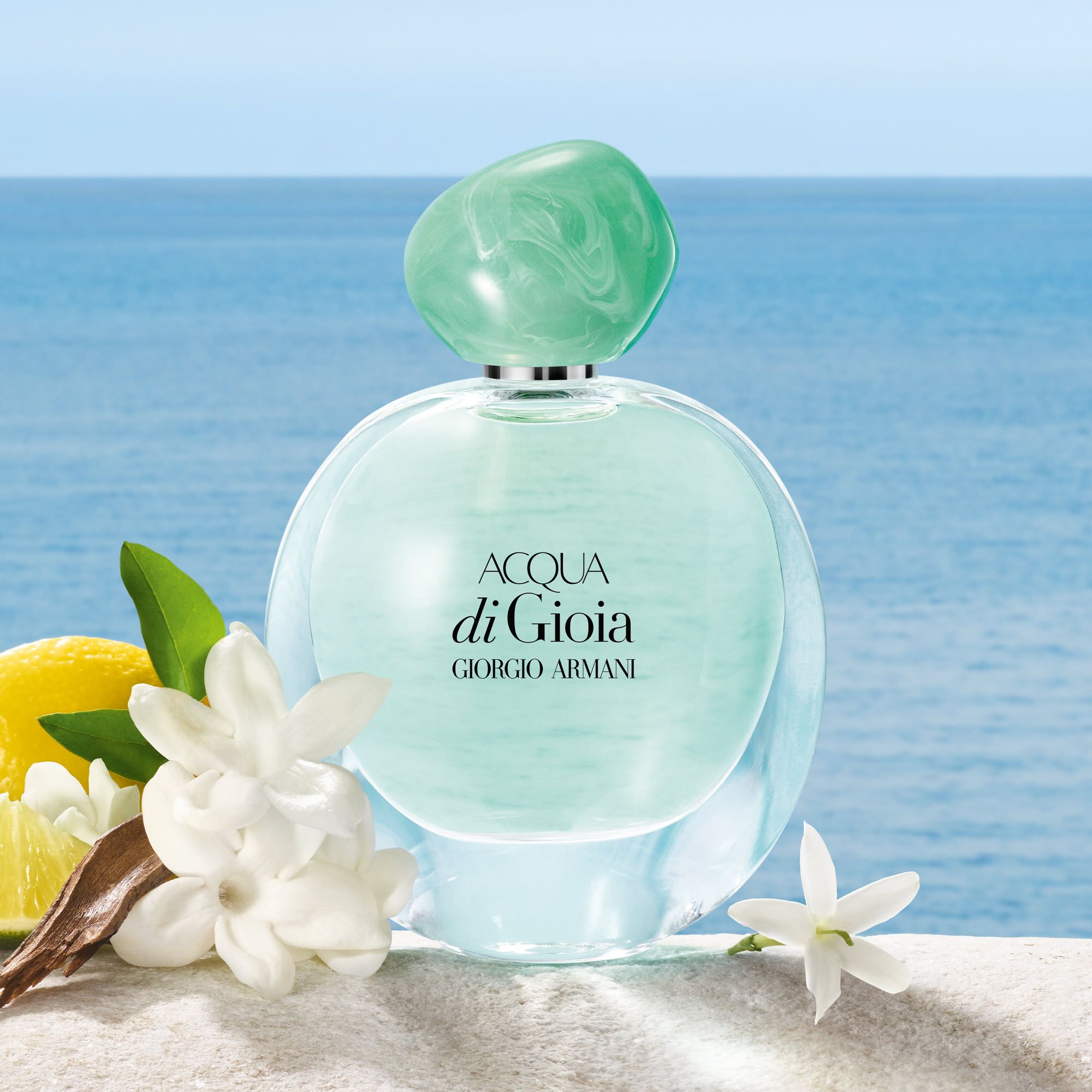
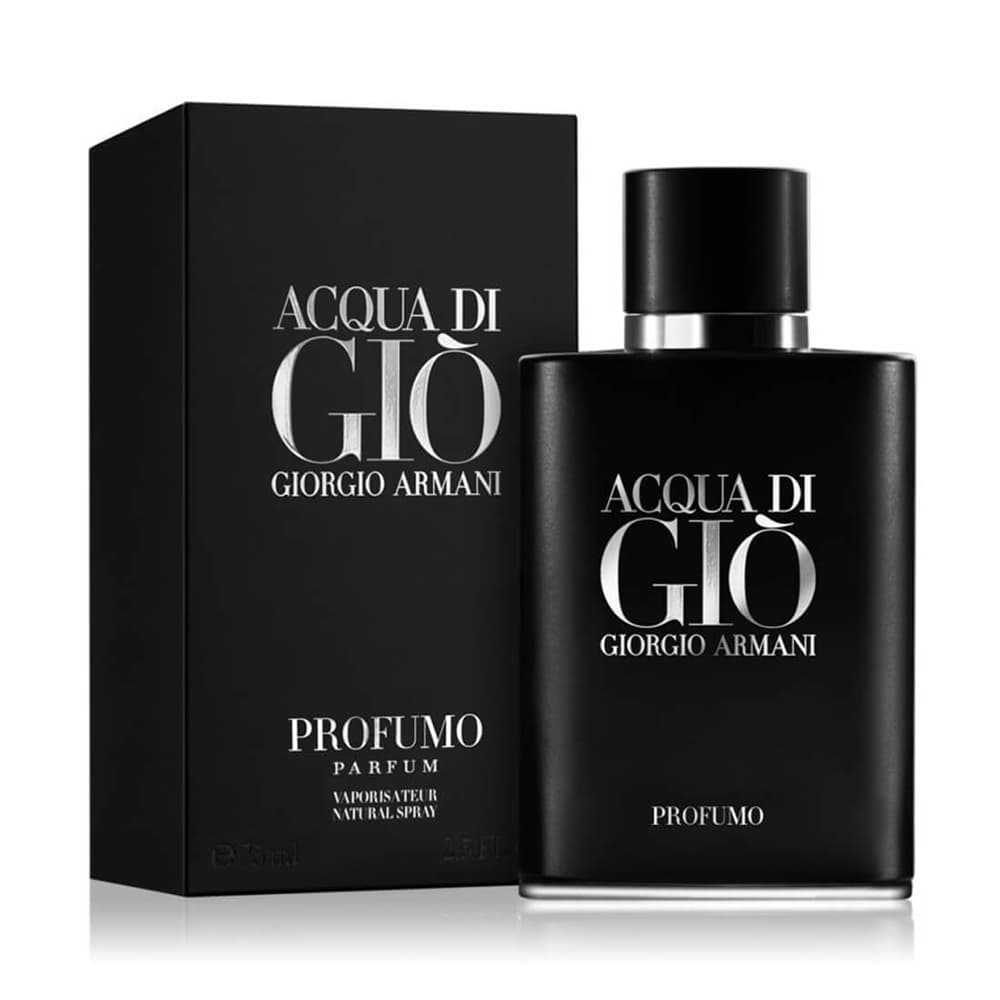
The 1990s truly solidified Armani's place in fragrance history, birthing some of the most iconic and enduring scents of all time. In 1995, Acqua di Giò pour Femme was released, a beautiful floral aquatic capturing a breezy femininity. However, it was its masculine counterpart, Acqua di Giò pour Homme, launched in 1996, that became a global phenomenon. Inspired by Armani's holidays on the volcanic island of Pantelleria, its fresh, aquatic, and aromatic profile, featuring notes of marine, bergamot, and cedarwood, captured the essence of freedom and the Mediterranean sea.
Acqua di Giò pour Homme quickly rose to become one of the best-selling men's fragrances worldwide, redefining the aquatic genre and setting a benchmark for freshness, sophistication, and longevity that few have matched. Its success wasn't just commercial; it profoundly influenced the direction of men's perfumery for decades to come. Other notable launches from this era and the early 2000s included Armani Mania (2002 for women, 2004 for men) and the unique floral-oriental Sensi (2002), showcasing a versatility that moved beyond the initial classics while maintaining the brand’s core elegance.
Evolution and Diversification
Expanding the Portfolio: Code and Sí
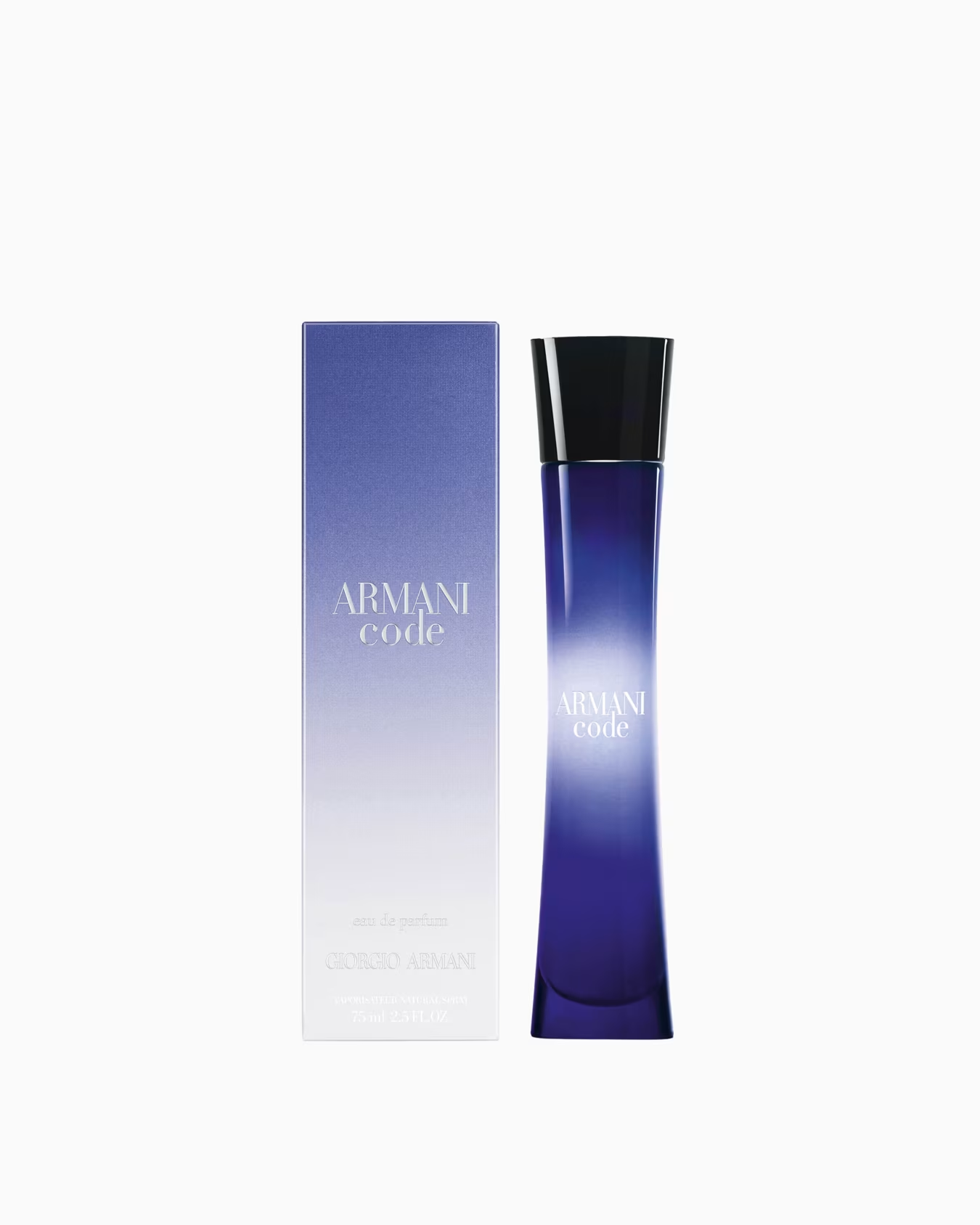
The 2000s saw Armani's fragrance portfolio diversify further, reaching new audiences with contemporary masterpieces. Armani Code (originally Black Code), launched in 2004 for men and 2006 for women, introduced a new dimension with its oriental-spicy allure. These fragrances, with their seductive yet elegant compositions, aimed at a modern, sophisticated audience and quickly became major pillars of the brand’s mainstream offering.
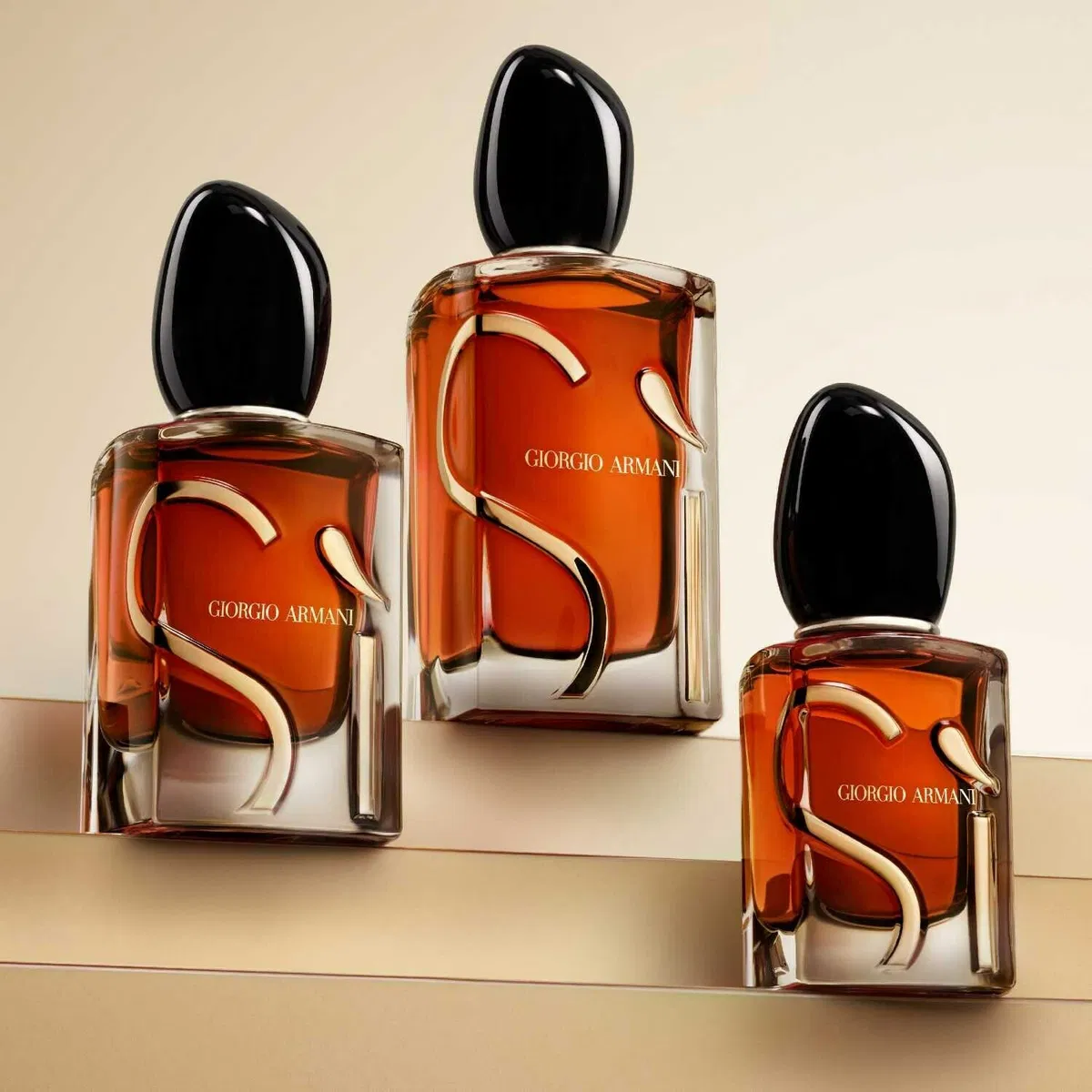
A more recent yet equally monumental success arrived with the launch of Sí in 2013. Fronted by actress Cate Blanchett, Sí became a modern classic for women with its elegant chypre-fruity composition, celebrating femininity, self-assertion, and Italian chic. This fragrance cemented Armani’s ability to create contemporary bestsellers while upholding its heritage of quality and distinctiveness.
The Art of Haute Parfumerie: Armani Privé
A significant development that elevated Armani perfumery to an art form was the introduction of Armani Privé in 2004. This exclusive haute couture fragrance line was conceived as an olfactory extension of Armani’s couture runway collections, featuring rare and precious ingredients crafted into complex, sophisticated scents. Collections like Les Eaux, La Collection, and Les Terres Précieuses include masterpieces such as Bois d'Encens, Ambre Sultan, and Rose d'Arabie.
Armani Privé underscored the brand's unwavering commitment to luxury, artistry, and a more niche, discerning clientele. It offered enthusiasts a deeper dive into the world of high perfumery, where craftsmanship and exquisite raw materials take center stage, cementing Armani's position at the pinnacle of both commercial and artistic fragrance creation.
Legacy, Influence, and Enduring Appeal
Giorgio Armani's impact on the fragrance world is profound and multifaceted. He didn't just create perfumes; he established olfactory pillars that defined eras and influenced countless other brands. Acqua di Giò alone shaped the direction of men's perfumery for decades, while Armani Privé demonstrated how a major fashion house could successfully venture into the realm of niche, artistic perfumery.
The brand's unwavering commitment to quality, innovative composition, and the seamless integration of scent with its fashion aesthetic set a high bar for the industry. From accessible luxury to exclusive haute parfumerie, Armani has consistently delivered fragrances that embody sophistication, timelessness, and a distinct Italian flair. The house continues to innovate, releasing popular flankers, new pillars, and expanding the Privé collection, always staying true to the founder's vision of understated power and enduring elegance. Giorgio Armani fragrances are not just scents; they are statements of style, confidence, and enduring beauty that continue to captivate and inspire enthusiasts worldwide.