The Genesis of a Luxury Empire
The journey of Gucci, synonymous with Italian luxury, began not with haute couture, but with a refined appreciation for travel and craftsmanship. In 1921, Guccio Gucci, inspired by the sophisticated luggage he observed while working in elite hotels in London and Paris, opened his first shop in Florence. His vision was clear: to create exquisite leather goods, crafted by Florentine artisans. Drawing from the equestrian world—a symbol of Italian aristocracy—Gucci quickly became known for impeccable quality, distinctive horsebit details, and refined design. This foundational commitment to luxury and storytelling would, decades later, elegantly translate into its celebrated aromatic ventures.
From Leather to Global Lifestyle: Evolution and Olfactory Debut
Global Expansion and Diversification
Following Guccio's passing in 1953, his sons, particularly Aldo Gucci, led the brand's global ascension. Aldo was instrumental in establishing Gucci's first U.S. stores and diversifying its product lines to include silk scarves, watches, and eventually, fragrances. The iconic double-G logo, designed by Aldo, became a global emblem of aspirational luxury. This era saw Gucci transform from a specialized leather goods purveyor into a comprehensive fashion and lifestyle house, paving the way for its foray into the perfume world.
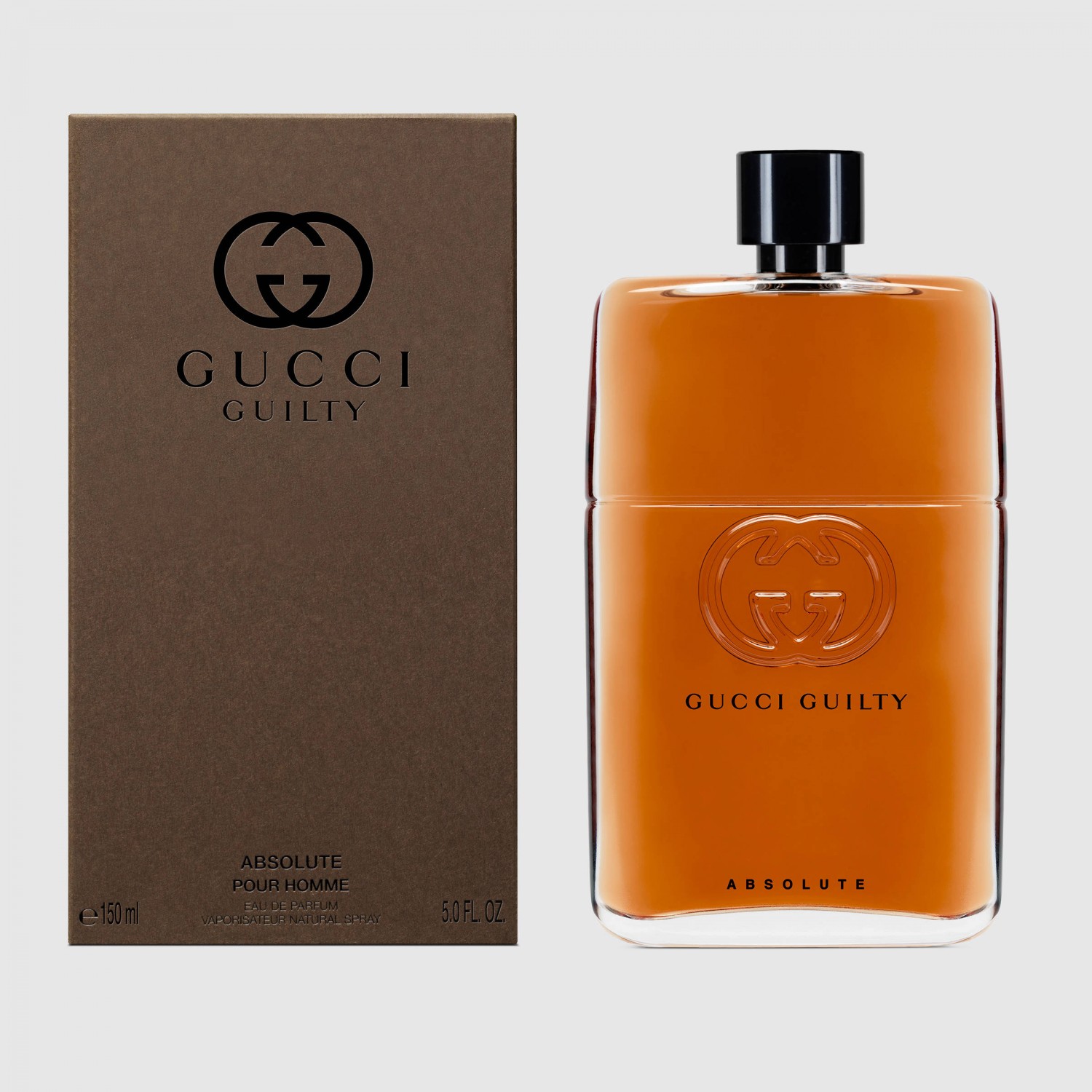
Gucci's first official perfume, Gucci No. 1, launched in 1974, was a bold floral aldehyde that encapsulated the sophisticated glamour of its era. It marked the brand's definitive entry into the olfactory landscape, signaling a new dimension for expressing its luxurious identity.
Turbulence and the Brink of Collapse
Despite early successes, the late 20th century brought internal family feuds and a perceived dilution of the brand's image through over-licensing. By the early 1990s, Gucci was struggling, its once-lustrous reputation dimmed, facing an identity crisis that threatened its very existence.
The Tom Ford Revolution: Rebirth and Iconic Scents
The mid-1990s witnessed a dramatic resurgence for Gucci, spearheaded by CEO Domenico De Sole and Creative Director Tom Ford. Ford's aesthetic was a powerful infusion of raw sensuality, unapologetic glamour, and sharp modernity. His provocative runway shows created global buzz, and this revitalized brand image was seamlessly translated into Gucci's fragrance portfolio.
- Gucci Envy (1997): A crisp, green floral, Envy perfectly captured the minimalist yet edgy sophistication of 90s fashion. Its name cleverly evoked the covetous desire for the audacious style it represented, quickly cementing its status as a cult classic.
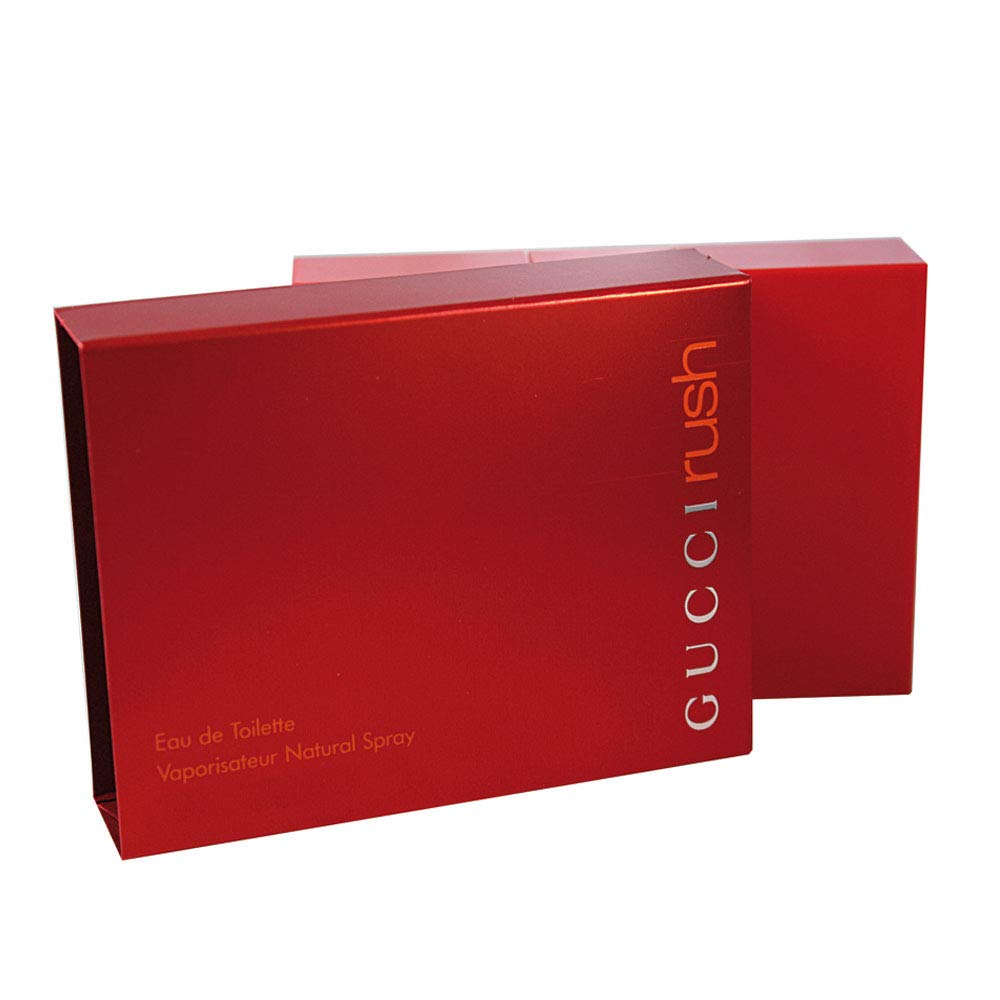
- Gucci Rush (1999): An explosive, creamy, and undeniably distinctive chypre-fruity, Rush was a groundbreaking scent. Housed in its iconic, vivid red rectangular bottle, it embodied the decade's unapologetic hedonism and Ford's bold vision for Gucci.
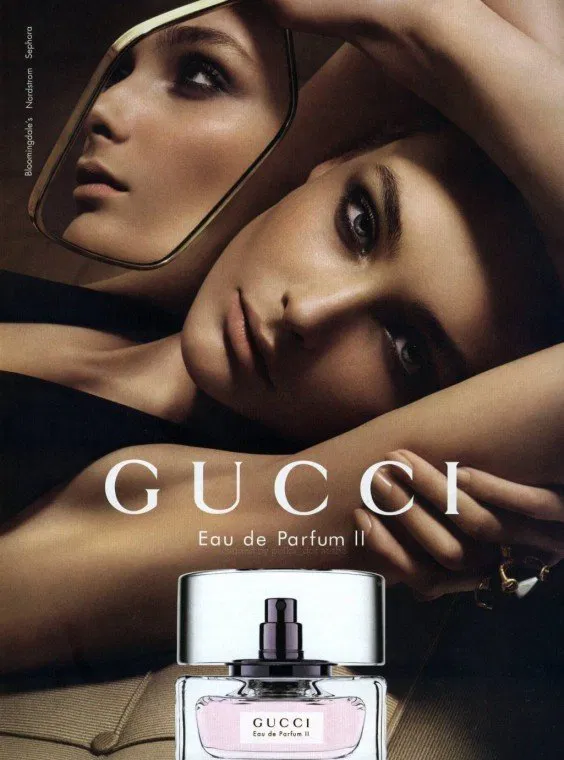
These fragrances were more than just perfumes; they were potent statements, perfectly complementing Ford's high-octane fashion and re-establishing Gucci as a trendsetter in the global perfume arena.
Modern Renaissance: From Frida Giannini to Alessandro Michele
Following Tom Ford's departure in 2004, Gucci continued its creative evolution. Frida Giannini, Creative Director from 2006 to 2014, introduced successful fragrances like Gucci by Gucci (2007) and the beloved Flora by Gucci (2009). The latter, a softer, more romantic line, drew inspiration from the iconic Flora scarf print originally commissioned for Grace Kelly.
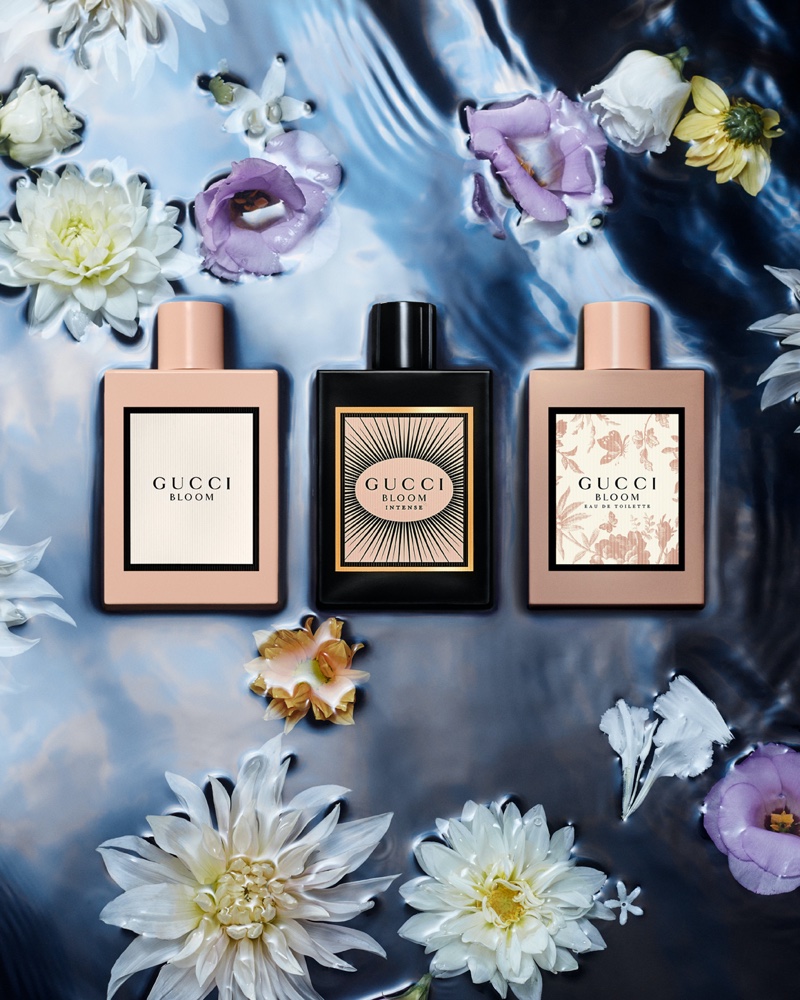
The arrival of Alessandro Michele in 2015 heralded another significant shift. Michele's maximalist, gender-fluid, and eccentrically romantic aesthetic redefined Gucci for a new generation. His singular vision translated beautifully into fragrance with the launch of Gucci Bloom (2017). A revolutionary white floral, Bloom celebrated authenticity and diversity, featuring a unique blend of natural tuberose, jasmine bud extract, and Rangoon Creeper. It became an instant global success, signifying a fresh approach to luxury perfumery.
Michele also pioneered "The Alchemist's Garden," an exquisite, artisanal collection of luxurious, unisex eaux de parfum, acque profumate, and oils designed for bespoke layering. This niche-within-mainstream approach further elevated Gucci's standing in high-end perfumery.
Gucci's Enduring Scented Legacy
From its humble Florentine beginnings as a leather goods purveyor to its current status as a global powerhouse of fashion and fragrance, Gucci's narrative is one of continuous reinvention and a fearless embrace of evolution. Its perfumes, from the classic elegance of Gucci No. 1 to the bold sensuality of Rush and the modern romance of Bloom, serve as fragrant milestones, each expertly bottling the essence of a particular era in the brand's storied history.
Gucci's impact on the perfume industry is undeniable. It continually challenges conventions, expertly blending its heritage with avant-garde creativity. This ensures its place not just as a creator of desirable scents, but as an arbiter of taste and a leader in luxury olfactory art. The house of Gucci remains a vibrant, ever-evolving narrative, expressed not only through its iconic designs but profoundly through the evocative power of its unforgettable fragrances.