The Birth of a Perfumery Dynasty
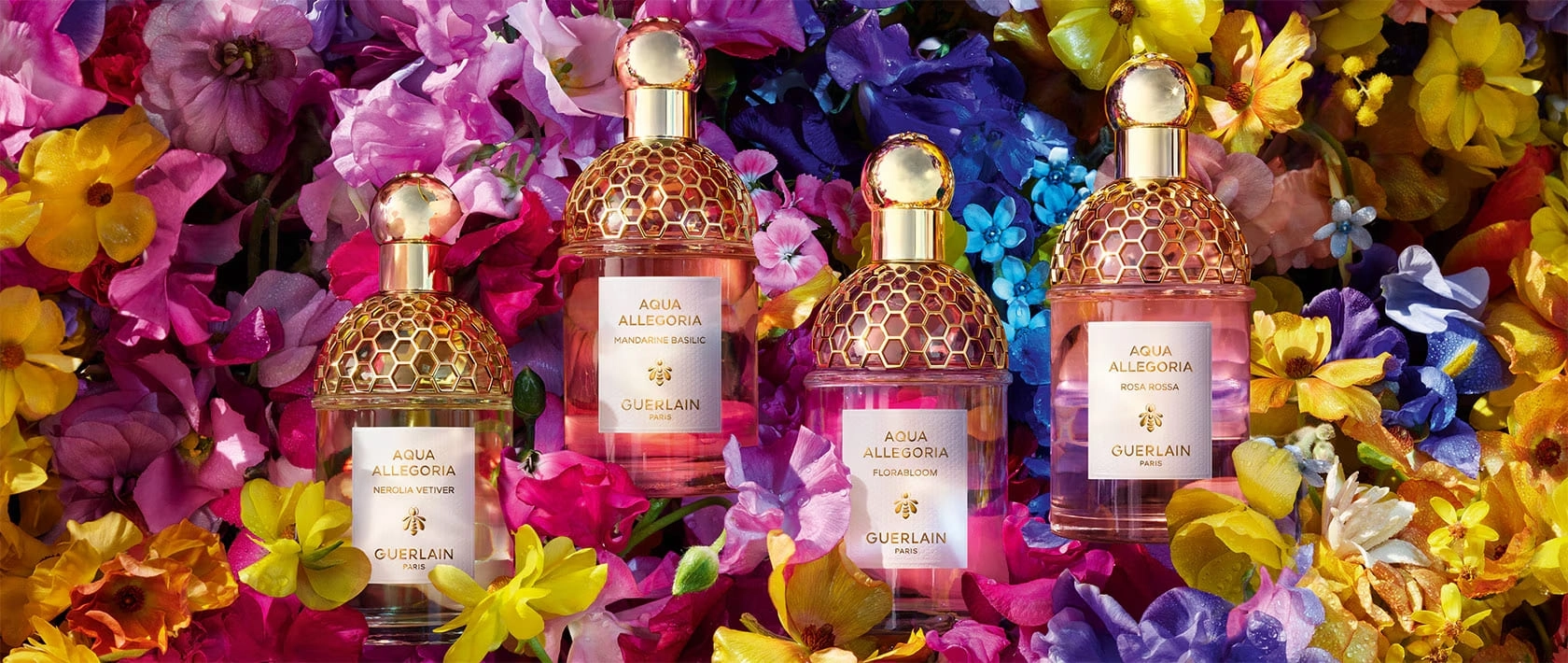
The story of Guerlain, a name synonymous with luxury, artistry, and olfactory genius, begins in 1828 when Pierre-François Pascal Guerlain opened his first perfume boutique in Paris. A chemist by training, Pierre-François started by creating custom fragrances, soaps, and cosmetic preparations for the Parisian elite. His talent quickly earned him recognition, culminating in the prestigious appointment as "Parfumeur Breveté de Sa Majesté" (Official Perfumer to Her Majesty) for Empress Eugénie, wife of Napoleon III, for whom he crafted the exquisite Eau de Cologne Impériale. This bespoke creation, adorned with the iconic bee bottle, symbolized the beginning of a legendary house dedicated to exceptional perfumery.
The Golden Age: A Legacy of Innovation
Aimé Guerlain and the Dawn of Modern Perfumery
Pierre-François's son, Gabriel, managed the business, but it was his son, Aimé Guerlain, who truly ushered in the modern era of perfumery. In 1889, Aimé created Jicky, a groundbreaking fragrance often considered the world's first modern perfume. Revolutionary for its time, Jicky dared to blend natural essences with synthetic materials (like vanillin and coumarin), creating an abstract, complex scent profile that didn't merely mimic natural smells but crafted a wholly new olfactory experience. It was daring, unconventional, and paved the way for all future fragrance creations.
Jacques Guerlain's Masterpieces
Aimé's nephew, Jacques Guerlain, became the master perfumer in 1890 and is arguably one of the most prolific and influential perfumers in history. His creations are often described as liquid poems, drawing inspiration from art, literature, and travel. Among his masterpieces are:
- L'Heure Bleue (1912): A melancholic yet luminous scent capturing the magical hour before twilight.
- Mitsouko (1919): A chypre masterpiece inspired by the heroine of Claude Farrère's novel "La Bataille," reflecting post-war exoticism.
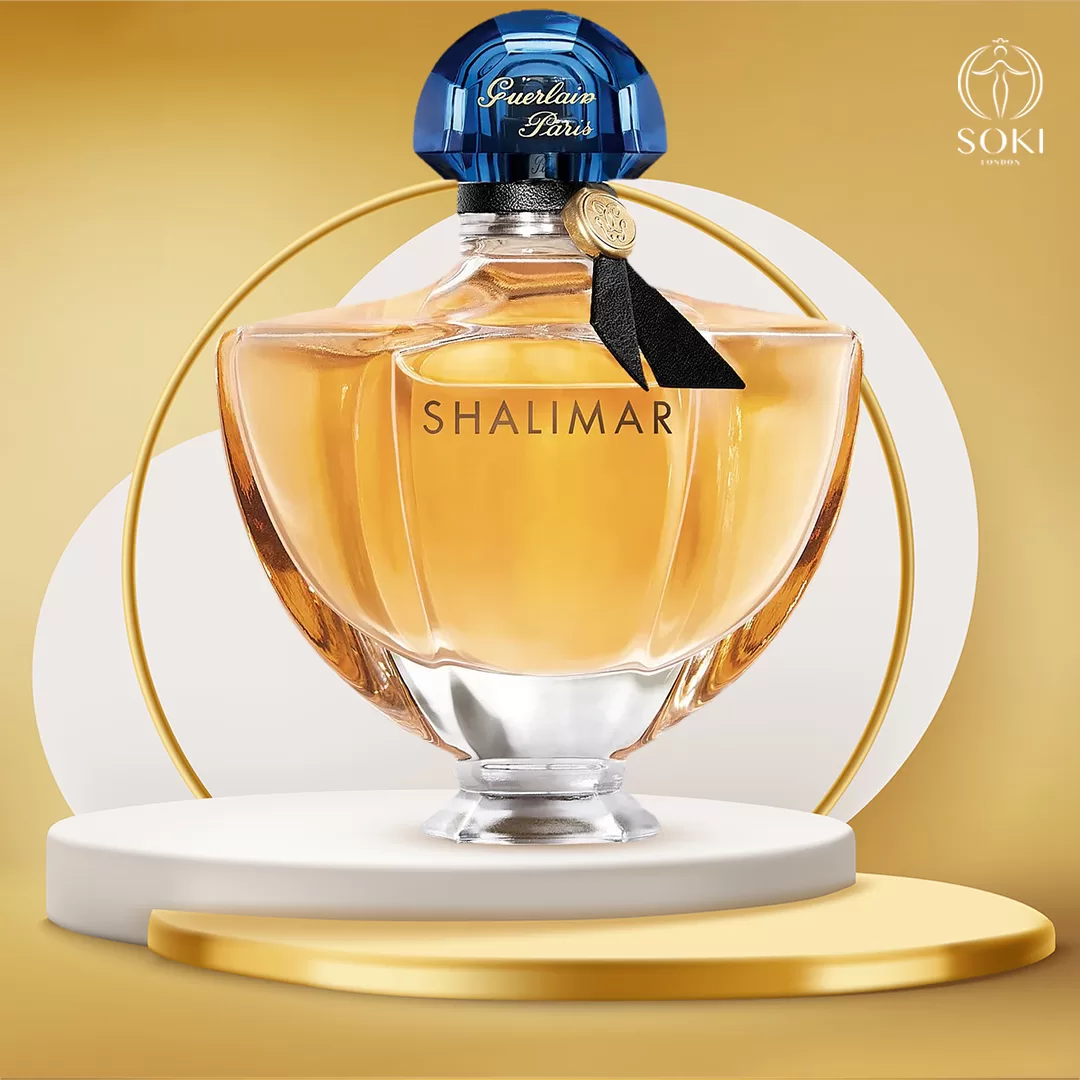
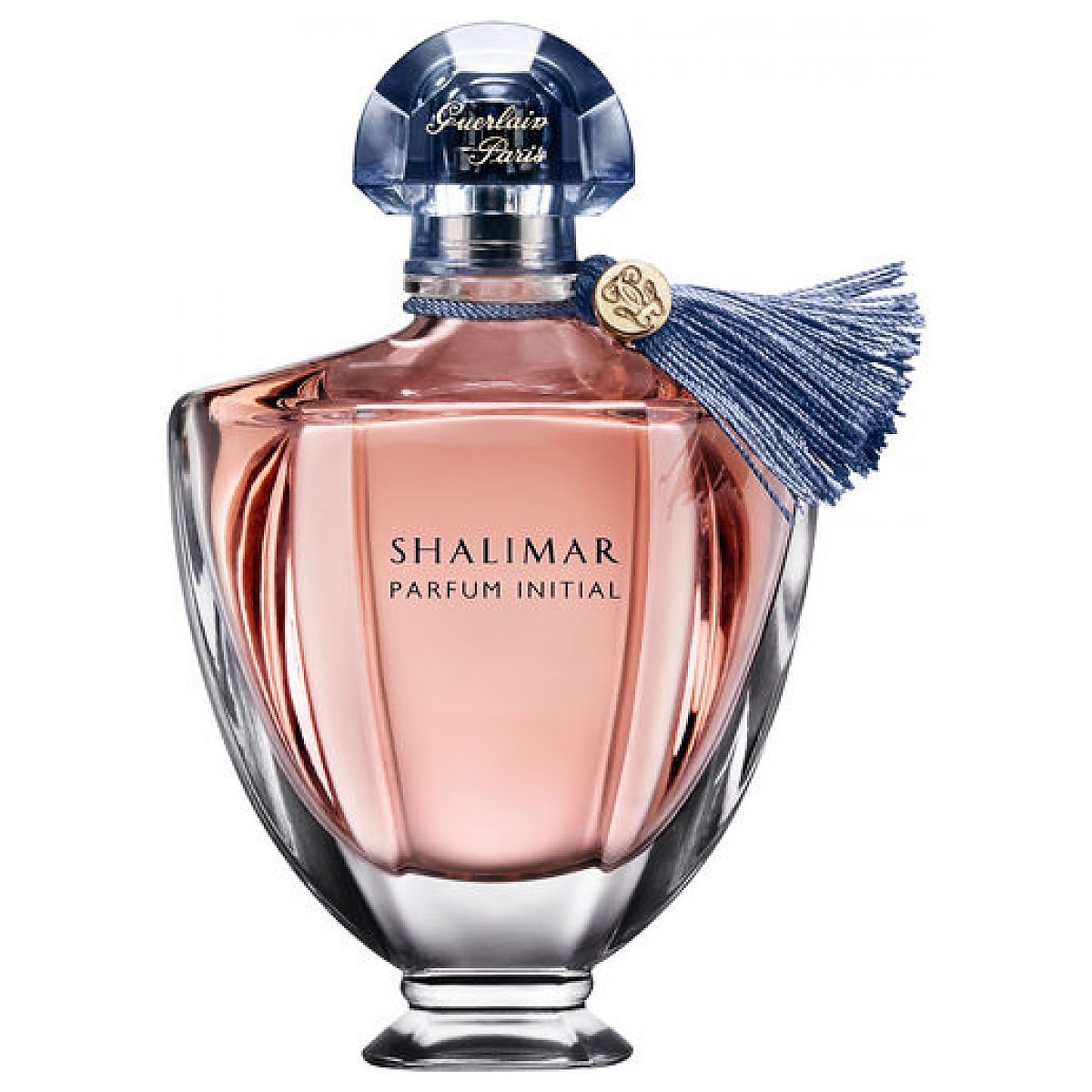
- Shalimar (1925): A legendary oriental fragrance inspired by the gardens of Shalimar and the love story between Emperor Shah Jahan and Mumtaz Mahal. Its bold use of vanilla, bergamot, and opoponax made it an instant classic and a benchmark for oriental perfumery.
Jacques Guerlain possessed an innate ability to translate emotions and narratives into olfactive form, solidifying Guerlain's reputation for artistry.
Jean-Paul Guerlain: The Last Family Perfumer
The lineage continued with Jean-Paul Guerlain, Jacques's grandson, who became the house's fourth master perfumer in 1959. A passionate horseman and traveler, Jean-Paul brought a fresh perspective while upholding the family tradition. His notable creations include:
- Vetiver (1959): A timeless masculine classic, known for its earthy, smoky, and sophisticated aroma.
- Habit Rouge (1965): The first oriental fragrance for men, a bold and elegant scent.
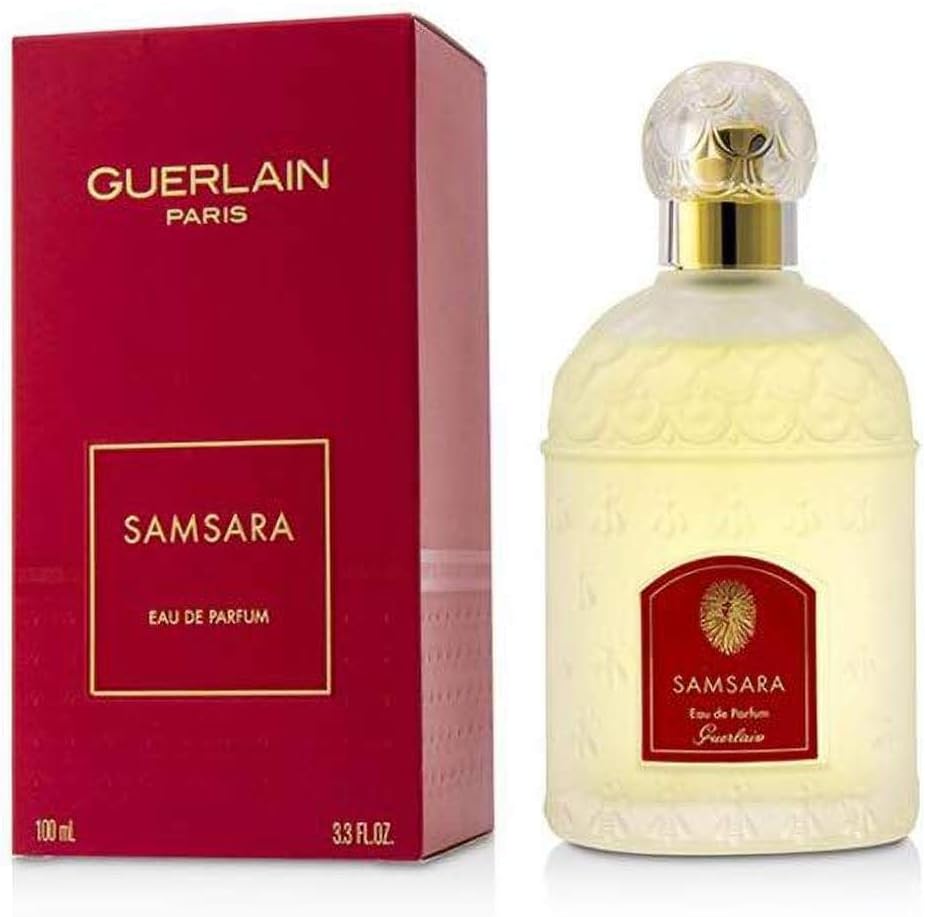
- Samsara (1989): A rich, sensual blend of jasmine, sandalwood, and vanilla, created for a woman he loved.
Jean-Paul's era saw Guerlain successfully navigate the changing tides of the fragrance industry, maintaining its unique identity.
The Guerlinade: A Signature of Excellence
Central to Guerlain's enduring appeal is the "Guerlinade," a secret, proprietary blend of raw materials that forms the signature base of many of its perfumes. While its exact composition remains a closely guarded secret, it typically involves a harmonious blend of vanilla, tonka bean, bergamot, iris, and rose. This unique olfactive signature provides a recognizable thread that weaves through many Guerlain creations, giving them an unmistakable depth, warmth, and complexity.
Evolution and Modern Era
In 1994, Guerlain was acquired by LVMH Moët Hennessy Louis Vuitton, a luxury conglomerate. While initially a concern for purists, this acquisition provided Guerlain with the global reach and resources needed to thrive in the modern luxury market, allowing it to expand its product lines and international presence while maintaining its high standards of craftsmanship.
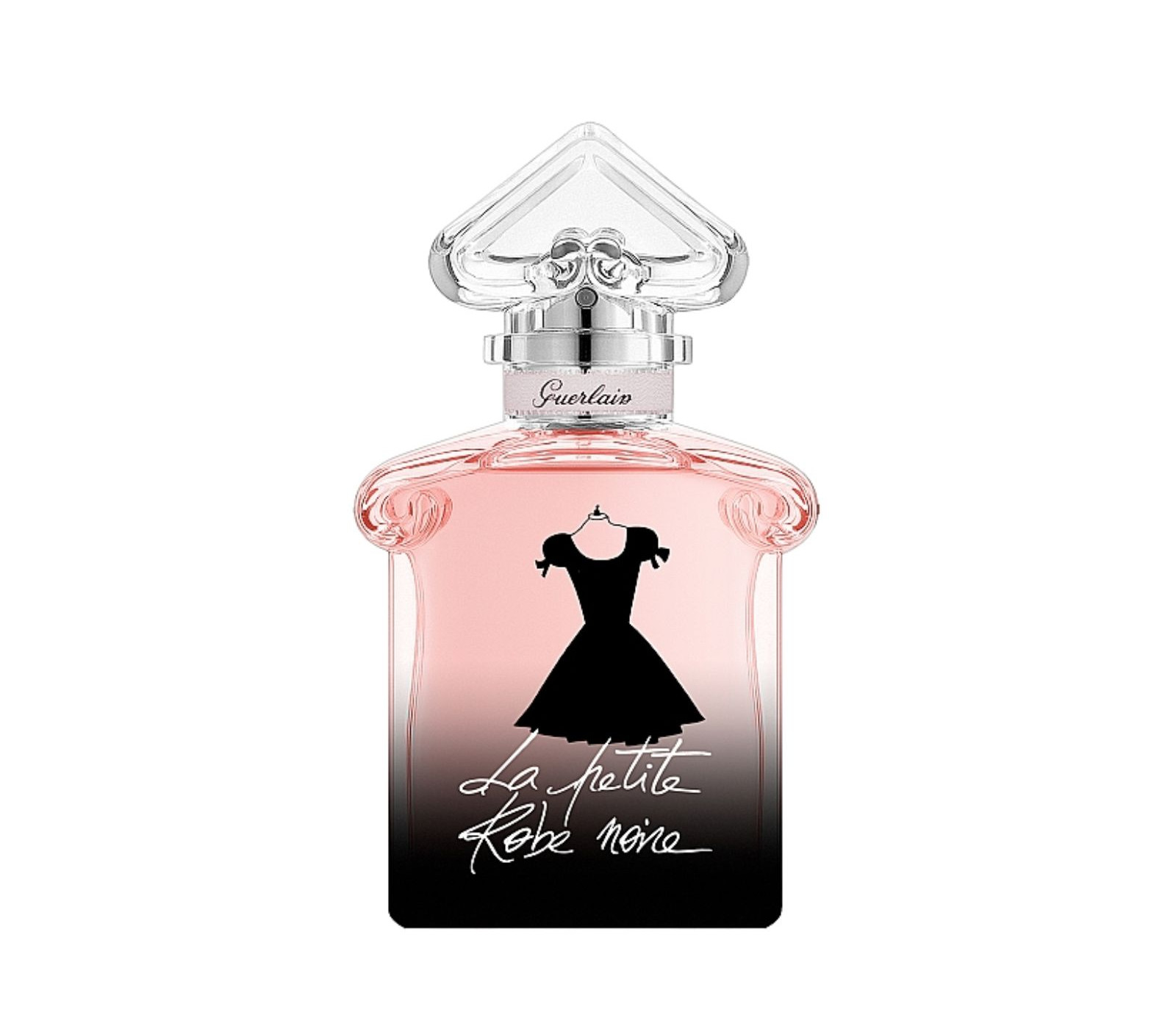
A significant shift occurred in 2008 when Thierry Wasser was appointed as the in-house perfumer, becoming the first person outside the Guerlain family to hold this esteemed position. Wasser has successfully bridged tradition with innovation, respecting the house's heritage while introducing new successful creations like La Petite Robe Noire and overseeing the reinterpretation of classics, ensuring Guerlain remains relevant and captivating for new generations of perfume lovers.
Legacy and Enduring Influence
Guerlain's legacy is immense. It is a house that not only created iconic fragrances but also pioneered modern perfumery itself. From the introduction of synthetic molecules in Jicky to the architectural complexity of Shalimar, Guerlain has consistently pushed boundaries. Its commitment to rare and high-quality raw materials, meticulous craftsmanship, and an unwavering artistic vision has cemented its place as one of the most revered perfume houses in the world. For nearly two centuries, Guerlain has enchanted and inspired, leaving an indelible mark on the history of fragrance and continuing to symbolize the pinnacle of French perfumery.