From the meticulous art of harness-making to the subtle alchemy of scent, Hermès has cultivated an unparalleled legacy of luxury, craftsmanship, and refined taste. For nearly two centuries, the House of Hermès has stood as a beacon of French excellence, and its foray into perfumery is no less compelling, weaving a fragrant narrative that mirrors its broader commitment to quality and artistic integrity.
The Origins of Excellence
The Hermès story began in 1837 when Thierry Hermès established his workshop in Paris, specializing in high-quality harnesses and bridles for the carriage trade. Catering to European nobility, his commitment to exquisite leatherwork and unparalleled durability quickly earned him a stellar reputation. As the world transitioned from horse-drawn carriages to automobiles, the house deftly adapted, with Emile-Maurice Hermès expanding the business into saddlery and then luxurious leather goods, clothing, and accessories. This foundational ethos—a relentless pursuit of perfection in material and form—would inevitably find its expression in the world of fragrance.
A Scented Chapter Unfolds
Hermès' journey into perfumery wasn't an opportunistic leap, but a thoughtful extension of its existing identity. The first official fragrance, Eau d'Hermès, was launched in 1951. Conceived by the legendary perfumer Edmond Roudnitska, it was a daring and complex scent, often described as a "leather spice" with notes of cumin, cardamom, and citrus, embodying the very soul of the brand's origins. This was followed by Calèche in 1961, the house's first women's perfume, an elegant aldehydic floral designed by Guy Robert, which solidified Hermès' place in the burgeoning fine fragrance market.
Olfactory Visionaries: Key Figures
The distinct voice of Hermès perfumery has been shaped by visionary talents:
- Jean-Claude Ellena (2004-2016): As Hermès' first in-house perfumer and Director of Olfactory Creation, Ellena revolutionized the brand's scent profile. Known for his minimalist, translucent style, he often described his approach as "scent writing," akin to haiku. His tenure saw the creation of the poetic Un Jardin series, the groundbreaking Terre d'Hermès, and the artistic Hermessence collection, establishing a signature of understated elegance and natural transparency.
- Christine Nagel (2016-Present): Succeeding Ellena, Christine Nagel brought a new, bolder sensuality to Hermès. While maintaining the house's dedication to quality and refinement, her creations often feature a more vibrant, contemporary energy. Her notable contributions include the spirited Twilly d'Hermès, the sophisticated Galop d'Hermès, and the futuristic men's fragrance H24, proving that the house's creative spirit continues to evolve.
Iconic Fragrances and Brand Evolution
Hermès’ fragrance portfolio is a testament to its commitment to distinctive artistry:
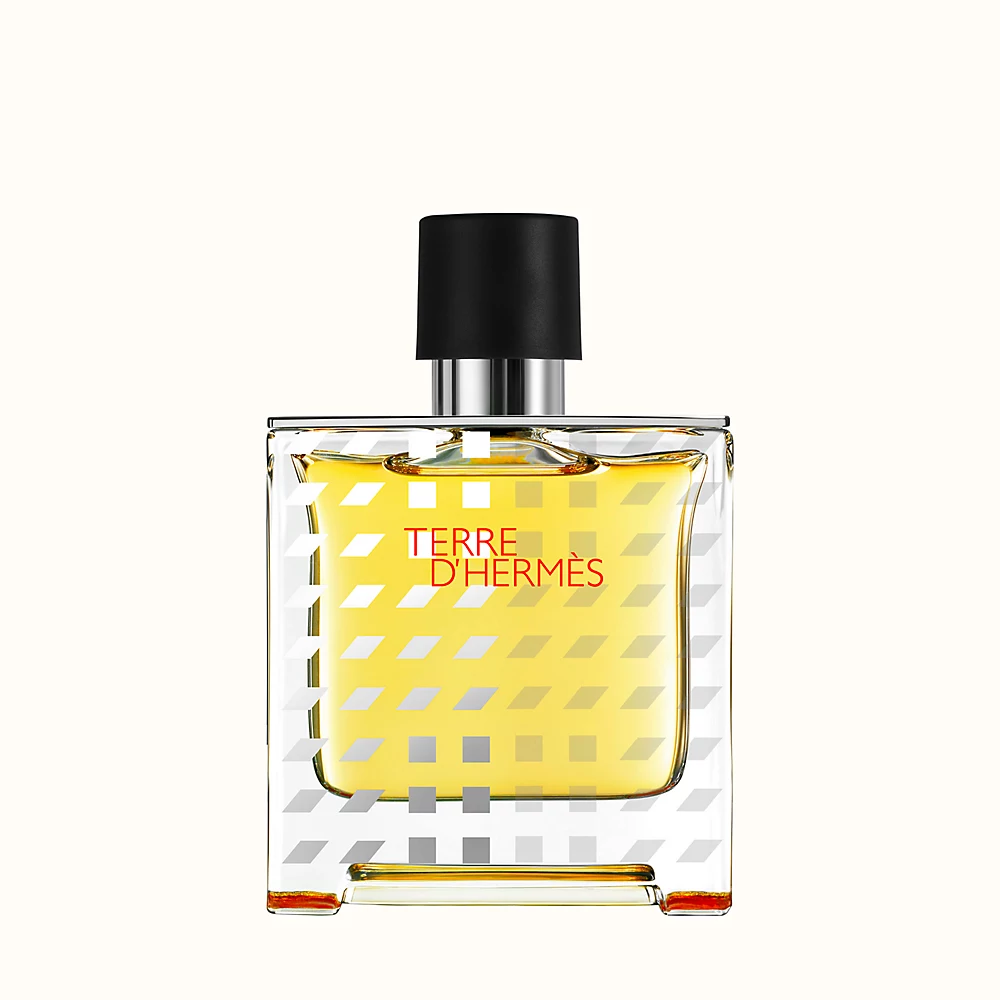
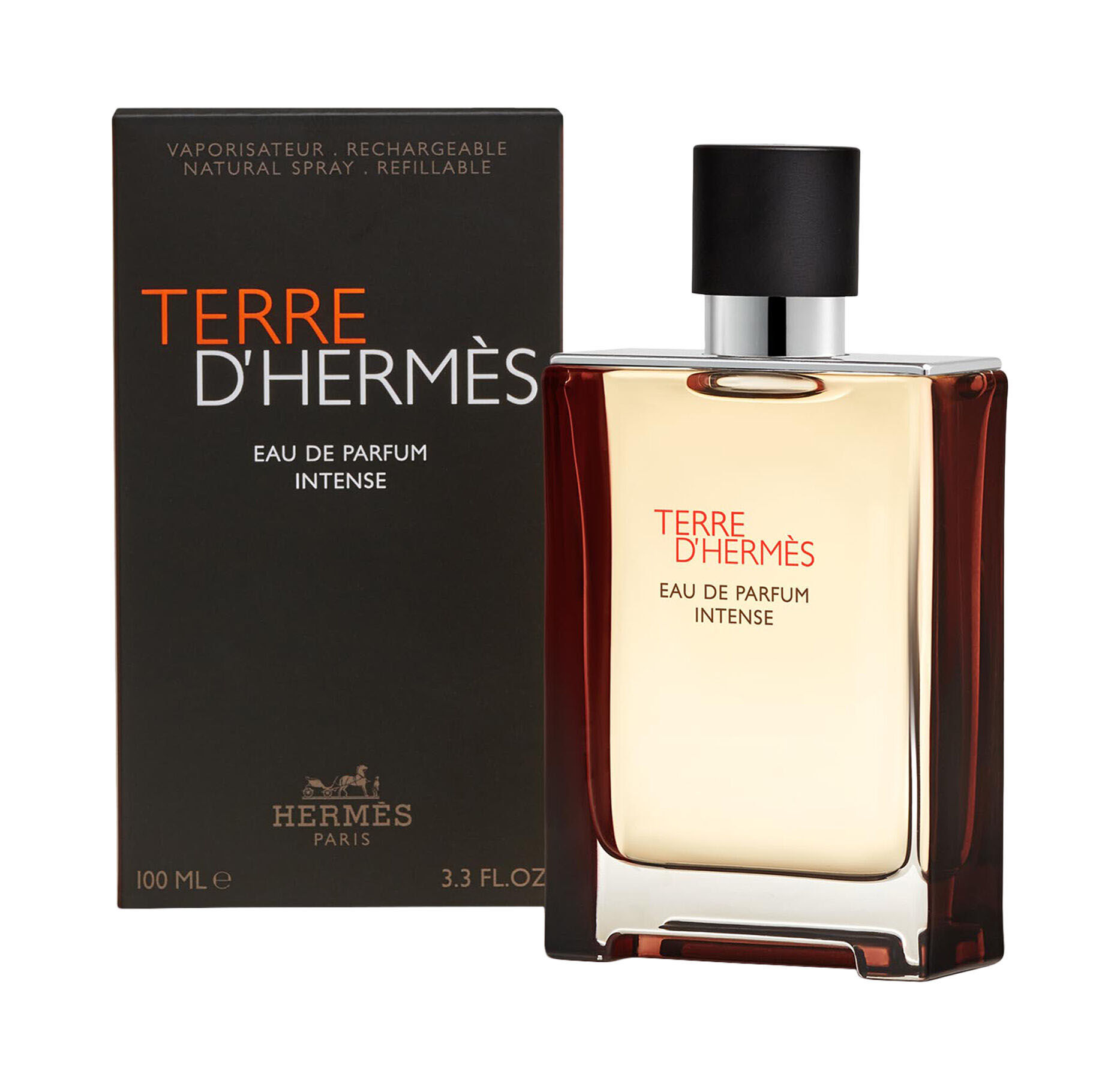
- Terre d'Hermès (2006): A modern masterpiece, this men's fragrance by Jean-Claude Ellena is celebrated for its unique mineral, woody, and citrus accord, evoking the earth's raw beauty. It became an instant classic, defining a new masculine elegance.
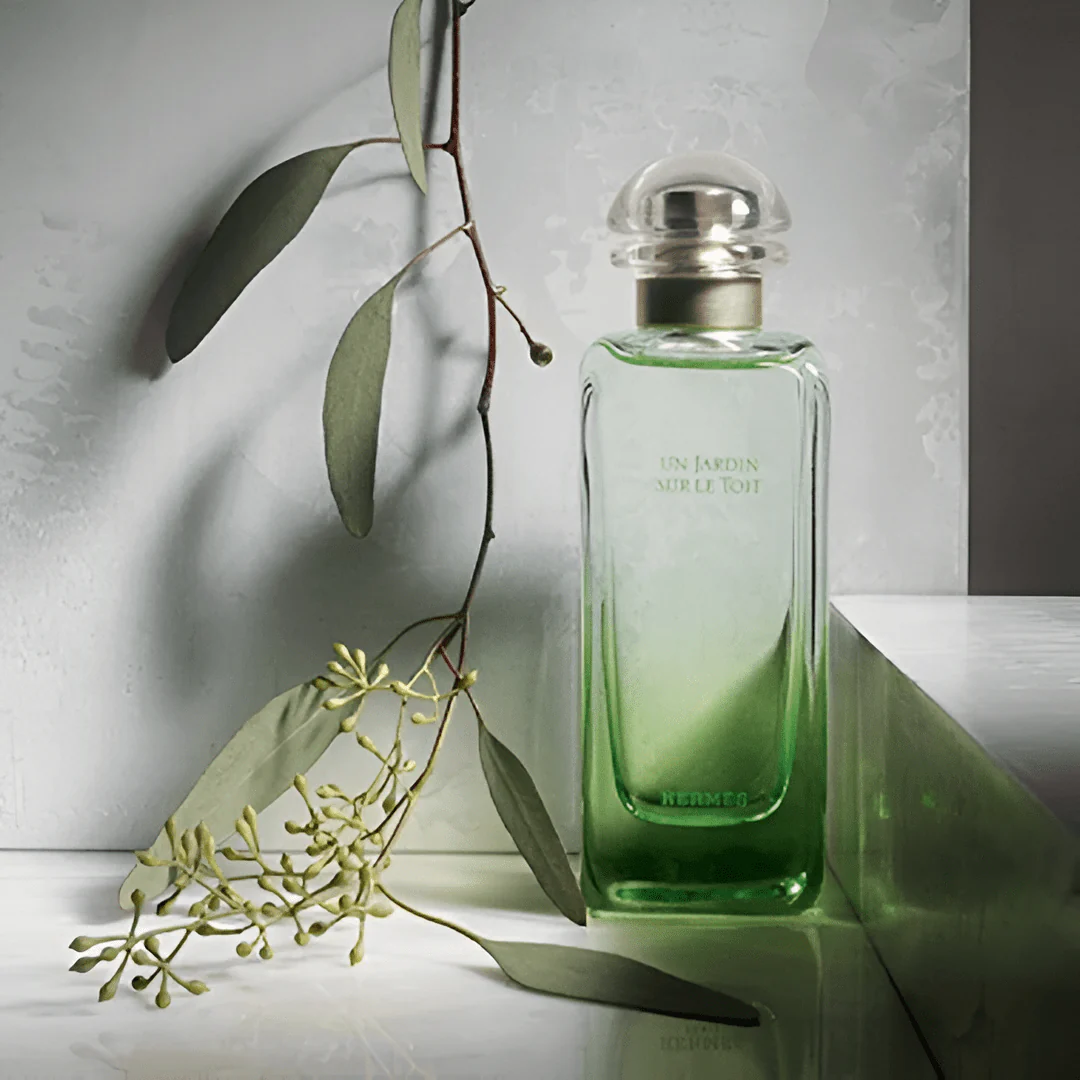
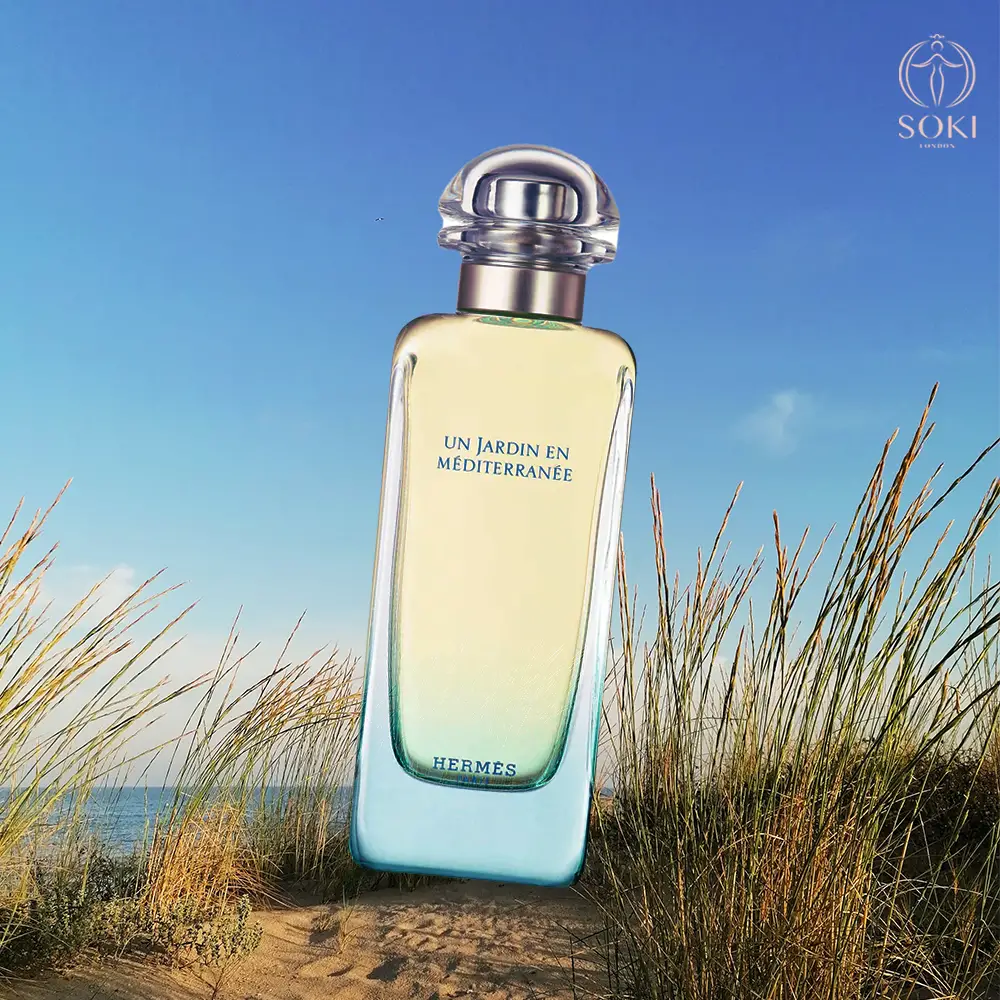
- The Un Jardin Series (2003 onwards): Starting with Un Jardin en Méditerranée, this collection invites wearers on sensory journeys to various gardens around the world, each fragrance capturing the essence of a place through light, airy, and botanical notes.
- Hermessence Collection (2004 onwards): An exclusive, haute parfumerie line, Hermessence allows perfumers creative freedom to explore unique raw materials and abstract concepts, presented in minimalist, refillable bottles. These are true olfactory artworks, pushing boundaries.
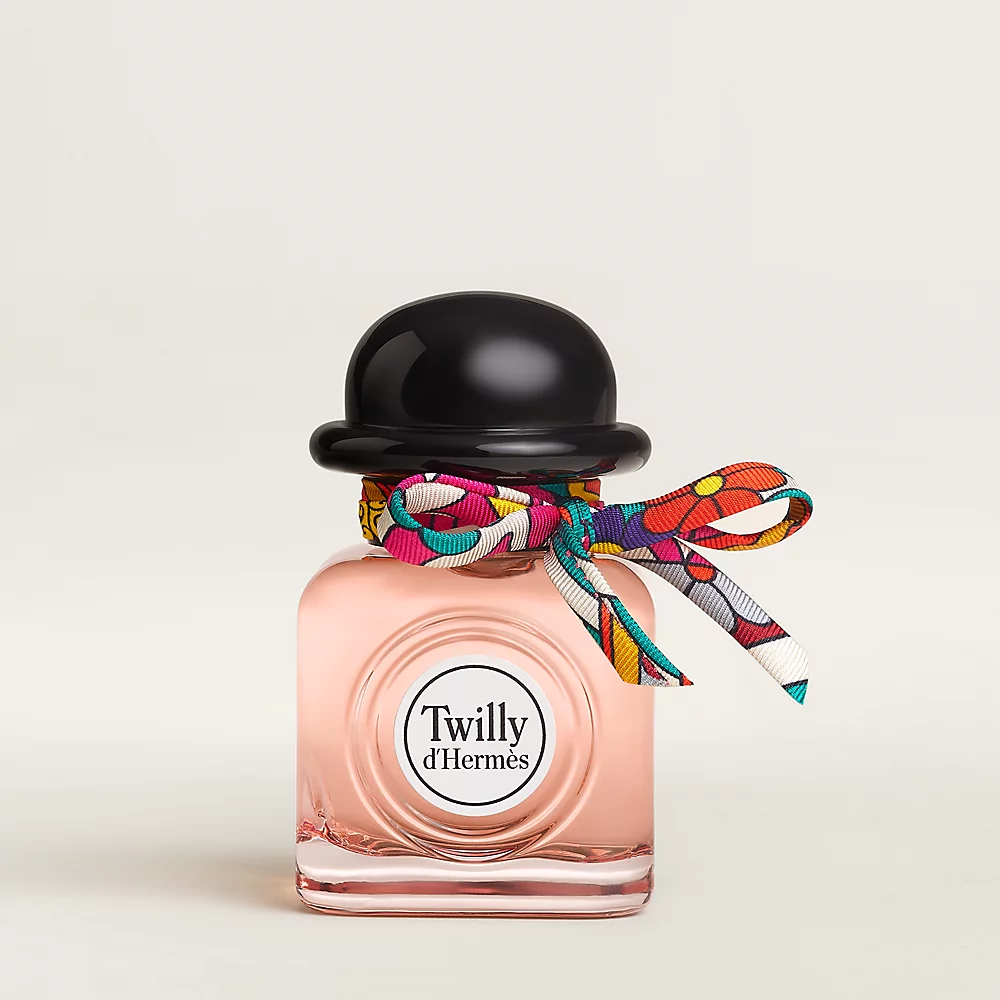
- Twilly d'Hermès (2017): Christine Nagel's vibrant ode to the audacious spirit of young women, blending tuberose, ginger, and sandalwood for a playful yet sophisticated scent, complete with a silk ribbon detail on the bottle.
A Legacy of Refined Artistry
Hermès’ influence in the perfume world extends far beyond its individual creations. The brand has consistently championed a philosophy where fragrance is not merely a product but an extension of its artistic vision and heritage of craftsmanship. By investing in in-house perfumers and granting them unparalleled creative freedom, Hermès maintains an authenticity and a distinct olfactory signature that is rare in an industry often driven by trends. Its fragrances are known for their exceptional quality, elegant compositions, and a quiet sophistication that speaks volumes without shouting. Hermès continues to inspire, proving that true luxury lies in thoughtful creation, enduring quality, and a timeless appeal that transcends fleeting fashions.