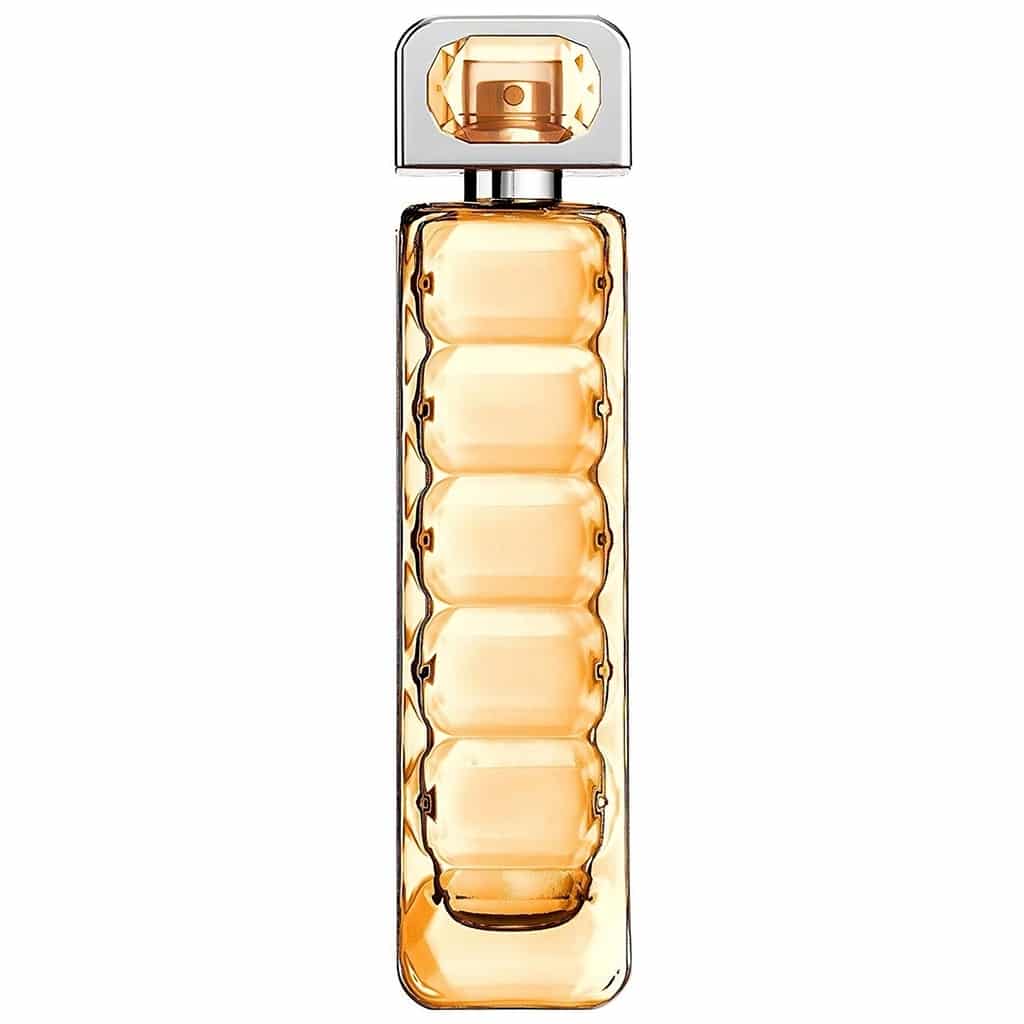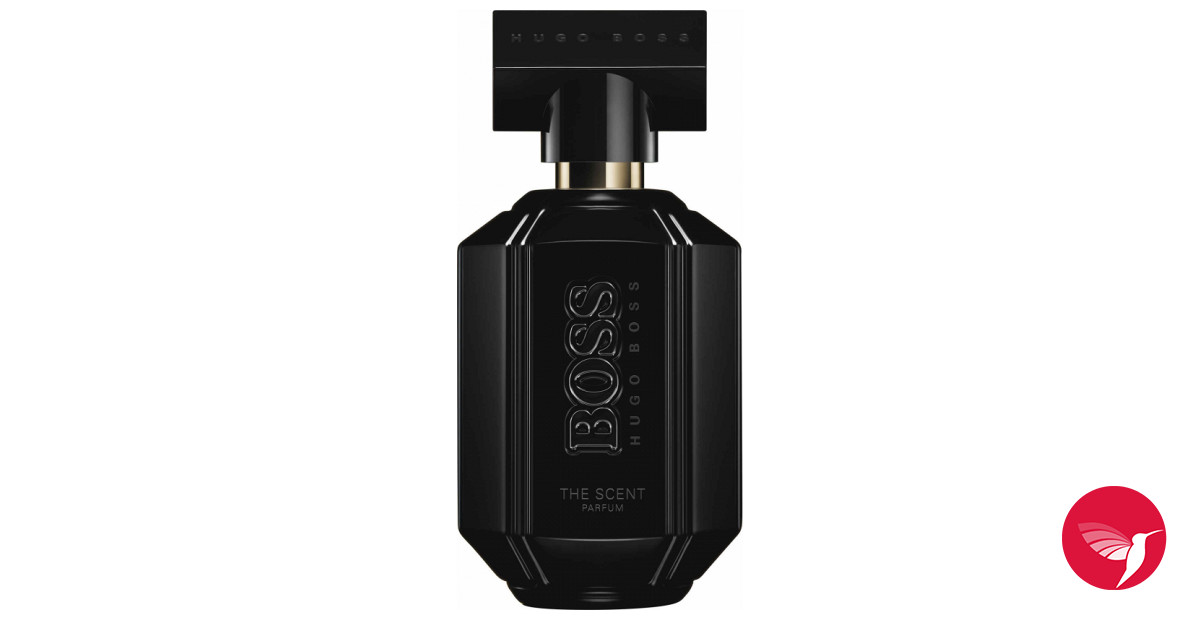
Hugo Boss. The name conjures images of sharp suits, refined elegance, and a sophisticated approach to modern living. While synonymous with fashion, the brand’s foray into the world of fragrance has carved an equally indelible mark, offering scents that embody confidence, ambition, and a distinctive sense of style. But how did this German powerhouse transition from modest beginnings to become a global fragrance giant?
From Workwear to Global Brand
The story of Hugo Boss begins in 1924 in Metzingen, Germany, when Hugo Ferdinand Boss established his clothing company. In its nascent years, the company focused on producing practical workwear, uniforms, and sportswear. The economic hardships of the inter-war period presented significant challenges, but Boss's commitment to quality and craftsmanship laid a foundational principle for the brand's future success. After World War II, the company pivoted towards manufacturing men's suits, capitalizing on the growing demand for well-tailored apparel. This marked a crucial turning point, setting the stage for its eventual evolution into a premium fashion label.
The Holy Family and the Fashion Revolution
The true metamorphosis of Hugo Boss into a fashion powerhouse began in the 1960s, driven by Hugo Boss's grandsons, Jochen and Uwe Holy. They transformed the company from a manufacturer of functional clothing into a designer brand specializing in high-quality men's suits. Their vision propelled Hugo Boss onto the international fashion scene, establishing its reputation for sartorial excellence and sleek, modern aesthetics. By the late 1980s, the brand was ready for a new venture: fragrance.
The decision to enter the perfume market was a natural extension of the Hugo Boss lifestyle. Fragrance was seen as the invisible accessory, the final touch that completed the confident, successful image the brand projected. The first fragrance, "Boss Number One," launched in 1985, marked the beginning of a new chapter, quickly establishing Hugo Boss as a significant player in the competitive fragrance industry.
Scents of Success: Iconic Hugo Boss Fragrances
Over the decades, Hugo Boss has launched a plethora of memorable fragrances, each designed to capture a facet of the brand's sophisticated identity. These scents are often characterized by their clean lines, masculine power, and understated elegance.
BOSS BOTTLED (1998)
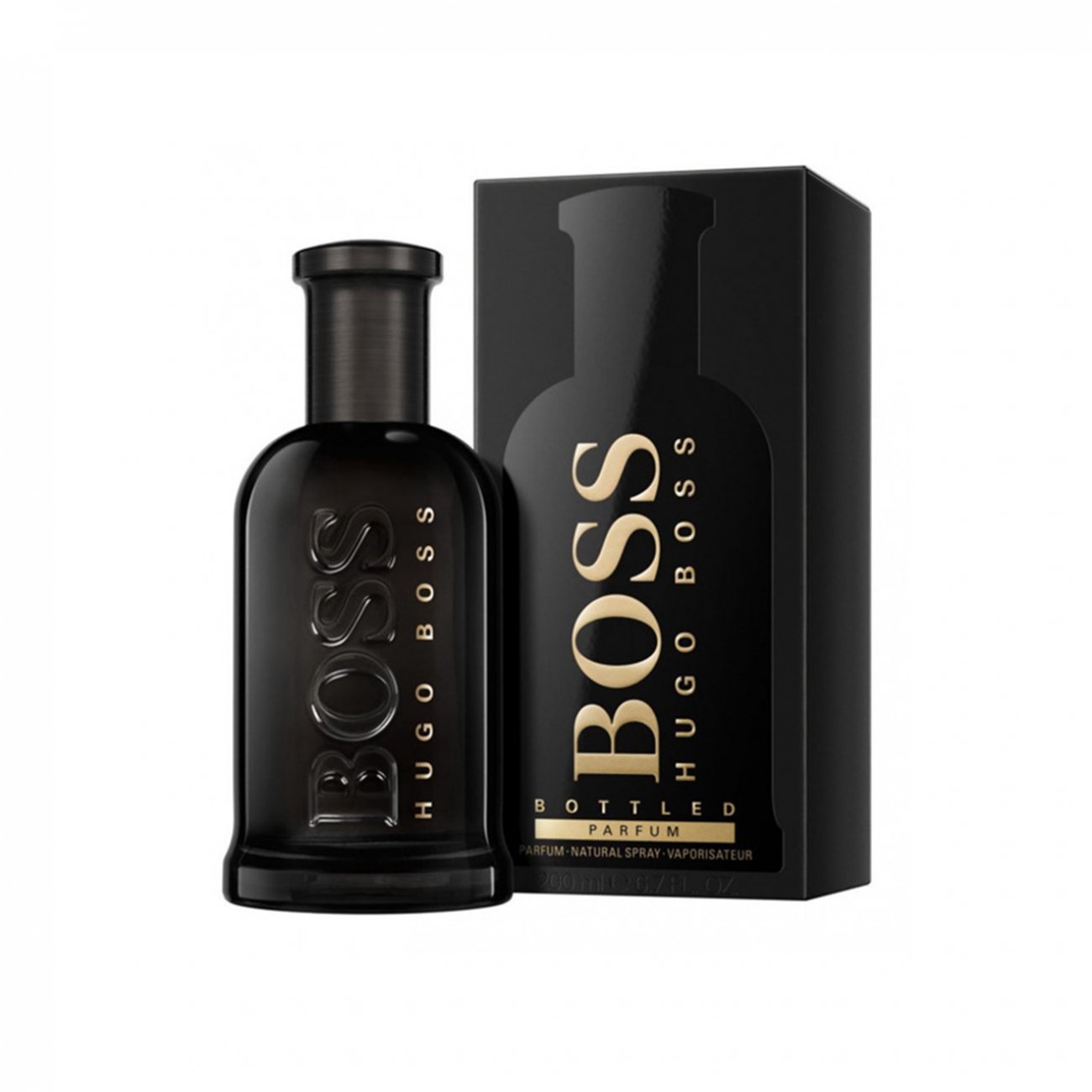
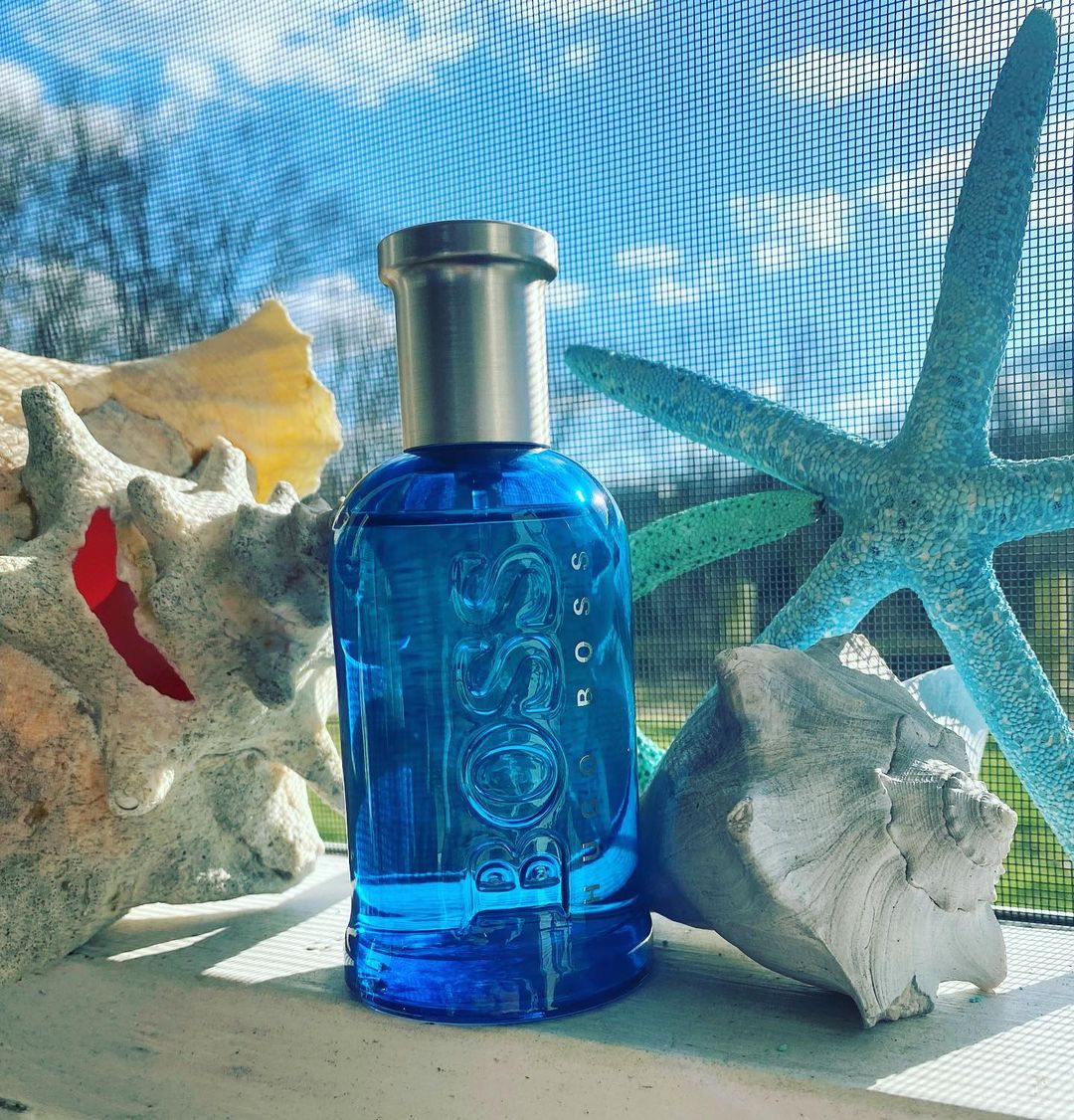
Perhaps the most iconic Hugo Boss fragrance, BOSS BOTTLED, often referred to as "Boss No. 6," became an instant classic. Its warm, woody, and spicy aroma, with notes of apple, cinnamon, and vanilla, quickly defined modern masculinity for a generation. It’s a scent that exudes confidence, calm, and sophistication, making it a timeless choice for the contemporary man.
HUGO MAN (1995)
Launched a few years prior to BOTTLED, HUGO MAN was aimed at a younger, more adventurous audience. With its fresh, aromatic, and invigorating blend of green apple, mint, and pine needles, it embodies a spirit of individualism and exploration. Its distinctive canteen-shaped bottle remains instantly recognizable.
BOSS THE SCENT (2015)
A more recent success, BOSS THE SCENT, offers a sophisticated and seductive experience. Featuring the exclusive Maninka fruit from South Africa, blended with leather, ginger, and lavender, it’s a fragrance designed to leave a lasting, intimate impression. It signifies a move towards richer, more complex compositions while retaining the brand's signature elegance.
BOSS ALIVE (2020)
Signifying a strong commitment to the female fragrance market, BOSS ALIVE is an empowering scent designed for women who live life to the fullest. With notes of apple, blackcurrant, jasmine, and vanilla, it's a vibrant, confidence-boosting aroma that encourages self-discovery and joy.
The Enduring Legacy of Hugo Boss Fragrances
Today, Hugo Boss stands as a monumental force in the global fragrance market. Its diverse portfolio continues to evolve, consistently introducing new scents that resonate with contemporary trends while staying true to the brand's core values of quality, sophistication, and modernity. From its humble beginnings as a workwear manufacturer to its current status as a fashion and fragrance icon, Hugo Boss has demonstrated an incredible ability to adapt, innovate, and captivate. Its fragrances are not just perfumes; they are expressions of a lifestyle, an invisible garment that completes the modern individual's pursuit of excellence and self-assured style.