Lanvin, a name synonymous with Parisian chic and timeless elegance, holds a unique place in the annals of luxury. While often celebrated for its pioneering haute couture, the house's foray into perfumery solidified its reputation, weaving olfactive artistry into its very fabric. From its humble beginnings to its global recognition, the journey of Lanvin Parfums is a captivating tale of creativity, innovation, and enduring legacy, enchanting generations of perfume enthusiasts.
The Visionary Founder: Jeanne Lanvin
The story of Lanvin Parfums begins, like all things Lanvin, with its extraordinary founder, Jeanne Lanvin. Born in 1867, Jeanne's entrepreneurial spirit blossomed early. She opened her first millinery shop in Paris in 1889, quickly gaining a loyal clientele with her exquisite hats. Her creative scope soon expanded to children's clothing, inspired by her beloved daughter, Marguerite. This led inevitably to women's fashion, establishing Lanvin as a formidable haute couture house by the early 20th century, renowned for its delicate embroideries, rich fabrics, and sophisticated designs. It was a natural progression for Jeanne, ever sensitive to every facet of a woman's elegance, to complete the sartorial experience with fragrance, launching her perfume division in 1924. She believed that perfume was the final, invisible layer of a perfectly dressed woman.
Architects of Scent: Key Figures Behind Lanvin Parfums
Jeanne Lanvin herself was the ultimate creative director, deeply involved in every aspect of her brand, including its fragrances. She surrounded herself with talent to translate her vision into olfactive form.
- Jeanne Lanvin (Founder): Her discerning taste and holistic vision for feminine elegance drove the creation of the perfume house.
- André Fraysse (Perfumer): Hired by Jeanne Lanvin in 1924, Fraysse became the house perfumer. He was the nose behind many of Lanvin's early successes, most notably the iconic Arpège. His classical training and artistic sensibility perfectly complemented Jeanne’s sophisticated aesthetic.
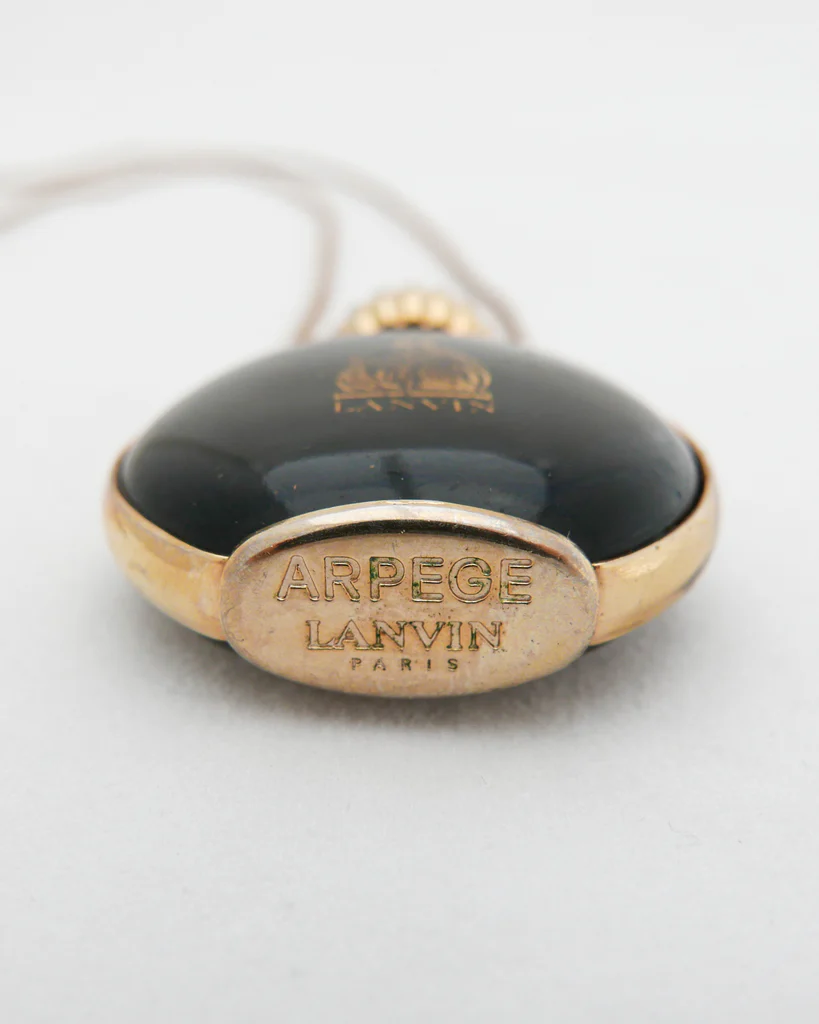
- Armand-Albert Rateau (Designer): A renowned decorator and friend of Jeanne, Rateau designed the iconic spherical black and gold bottle for Arpège, featuring the famous mother-and-child logo. This emblem, representing Jeanne and Marguerite, became an enduring symbol of the brand's heart and heritage.
A Symphony of Scent: Iconic Lanvin Fragrances
Lanvin's perfumery quickly produced masterpieces that transcended trends, becoming timeless classics.
- Arpège (1927): This is arguably Lanvin's magnum opus in perfumery. The legend says Jeanne asked her daughter Marguerite (then Marie-Blanche) to name the new fragrance. Upon smelling it, Marguerite exclaimed, "It smells like an arpeggio!" – a musical term for a broken chord, symbolizing the harmony of individual notes. Arpège is a magnificent floral aldehyde, a rich blend of jasmine, rose, lily of the valley, and ylang-ylang, underscored by a warm, woody-amber base. Its elegant, multifaceted composition made it an instant classic and a cornerstone of perfumery. The iconic black spherical bottle with the gold mother-and-child emblem remains instantly recognizable.
- My Sin (1924): One of Lanvin’s earliest creations, My Sin, was a bold and sophisticated aldehydic floral. Its name was provocative, its scent alluringly complex, featuring notes of narcissus, jasmine, rose, and civet. It quickly became another bestseller, embodying the flapper era's liberated spirit.
- Scandal (1931): Reflecting the glamorous sophistication of the 1930s, Scandal was a powerful chypre, rich with leather, oakmoss, and florals, exuding an air of daring elegance.
- Éclat d’Arpège (2002): A modern reinterpretation of its illustrious predecessor, Éclat d’Arpège captures a lighter, fresher spirit. A luminous floral-fruity musk, it became a contemporary bestseller, introducing Lanvin's legacy to a new generation while retaining a whisper of the original's elegance.
Evolution Through the Decades: From Heritage to Modernity
After Jeanne Lanvin's passing in 1946, the house continued to thrive under the guidance of her daughter Marguerite, and a succession of talented designers and perfumers. The perfume division maintained its reputation for quality and innovation, adapting to changing tastes while honoring its rich heritage. While the fashion house experienced various changes in creative direction and ownership, the fragrance division often maintained a more consistent trajectory, carefully curating its portfolio. In recent decades, Lanvin Parfums has operated largely independently from the fashion house, but consistently draws inspiration from the brand's foundational values of elegance, femininity, and Parisian chic, ensuring its place in the competitive global perfume market with both new releases and cherished classics.
An Enduring Legacy: Influence and Timeless Appeal
The legacy of Lanvin Parfums is profound. Jeanne Lanvin's pioneering spirit in creating a complete lifestyle brand, from fashion to fragrance, set a benchmark for luxury houses. Arpège, in particular, stands as a monument in perfumery, celebrated for its complex beauty and enduring appeal, often cited as a masterpiece of the aldehydic floral genre. The brand’s commitment to quality ingredients, sophisticated compositions, and distinctive packaging has ensured its continued relevance. Lanvin Parfums continues to evoke a sense of refined taste and effortless elegance, reminding us that true luxury is not just about fleeting trends, but about timeless artistry and an unwavering pursuit of beauty.
From Jeanne Lanvin's initial vision of enveloping women in an aura of complete elegance to the creation of fragrances that have captivated for nearly a century, Lanvin Parfums remains a cherished chapter in fragrance history. It’s a testament to the power of a founder’s dream, the artistry of skilled perfumers, and the enduring magic of iconic scents that continue to tell a story of Parisian sophistication with every spritz.