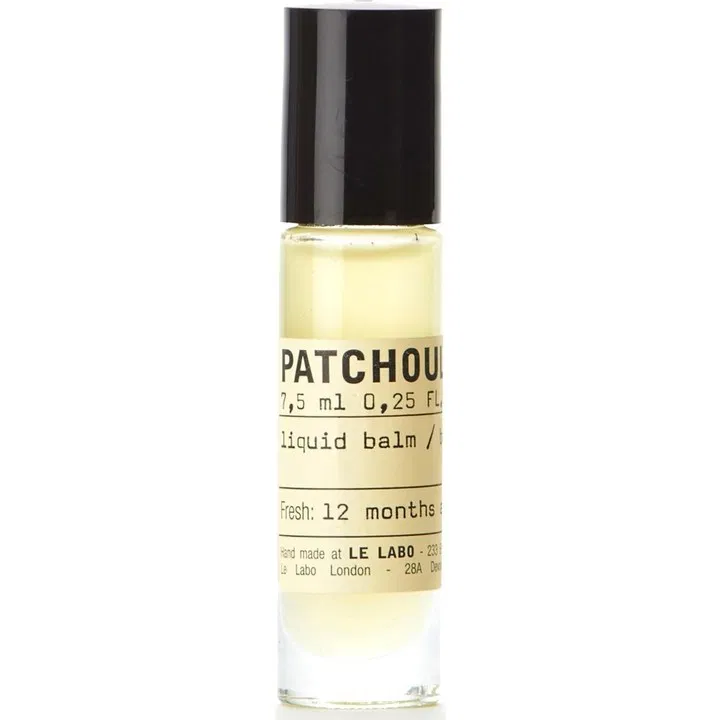
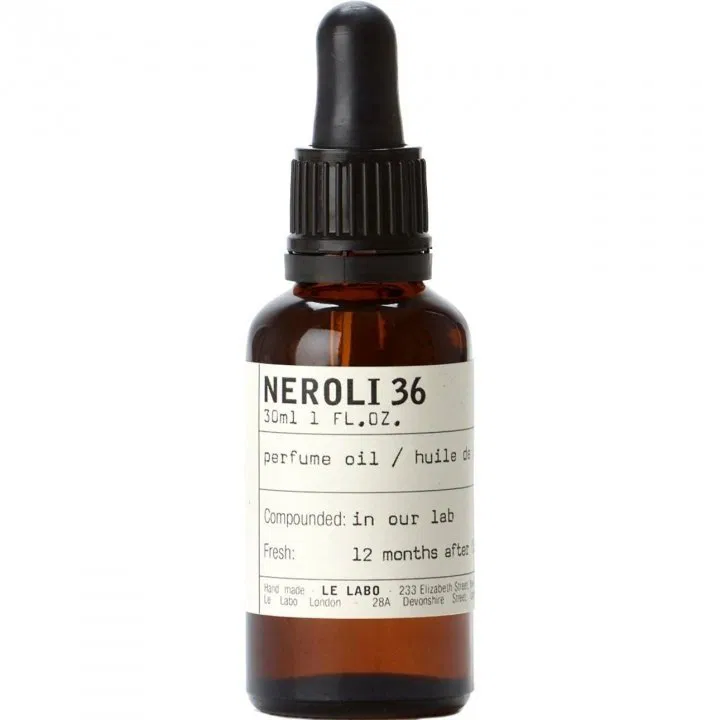
The Genesis of a Scent Revolution
Le Labo, a name synonymous with artisanal craftsmanship and understated luxury, has carved a distinctive niche in the crowded world of perfumery. Since its inception in 2006, the brand has defied conventional wisdom, embracing imperfection and authenticity to create fragrances that resonate deeply with their wearers. For the discerning perfume enthusiast, understanding Le Labo's journey is to appreciate a revolution in scent-making.
The Founding Story: A Return to Craft
The story of Le Labo began with a shared vision between two friends, Fabrice Penot and Eddie Roschi. Both veterans of the beauty industry, they grew disillusioned with the soulless mass production and celebrity endorsements that dominated the market. They yearned for a return to craftsmanship, to the raw emotion and soul that perfumery once embodied. In 2006, they opened their first laboratory-style boutique in New York City, a space designed to evoke a pharmacist's workshop rather than a glitzy store. Their philosophy was simple yet radical: focus on high-quality, rare ingredients, hand-blend each perfume fresh upon purchase, and celebrate the beauty of imperfection. The name "Le Labo," French for "The Lab," perfectly encapsulated their experimental, scientific yet soulful approach.
The Rise of Iconoclasts: Iconic Fragrances
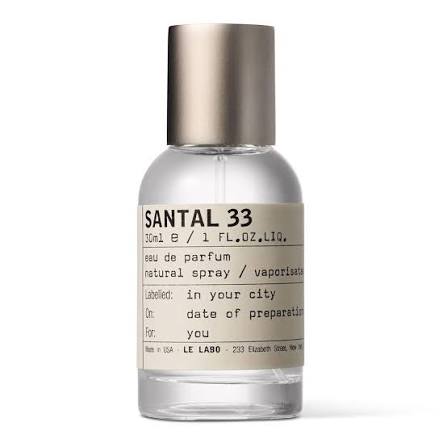
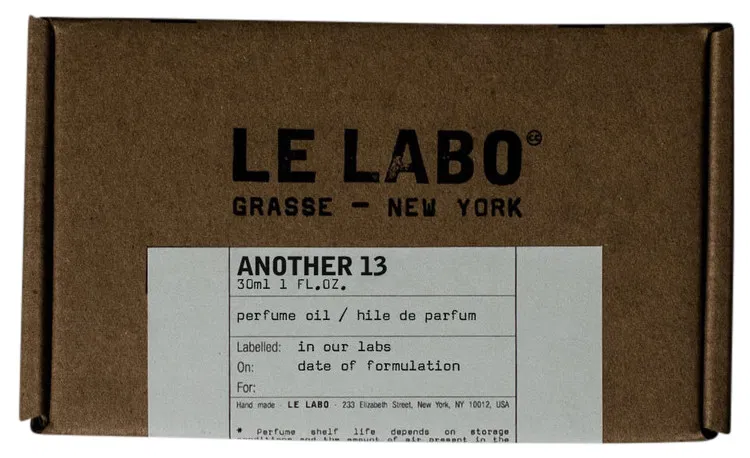
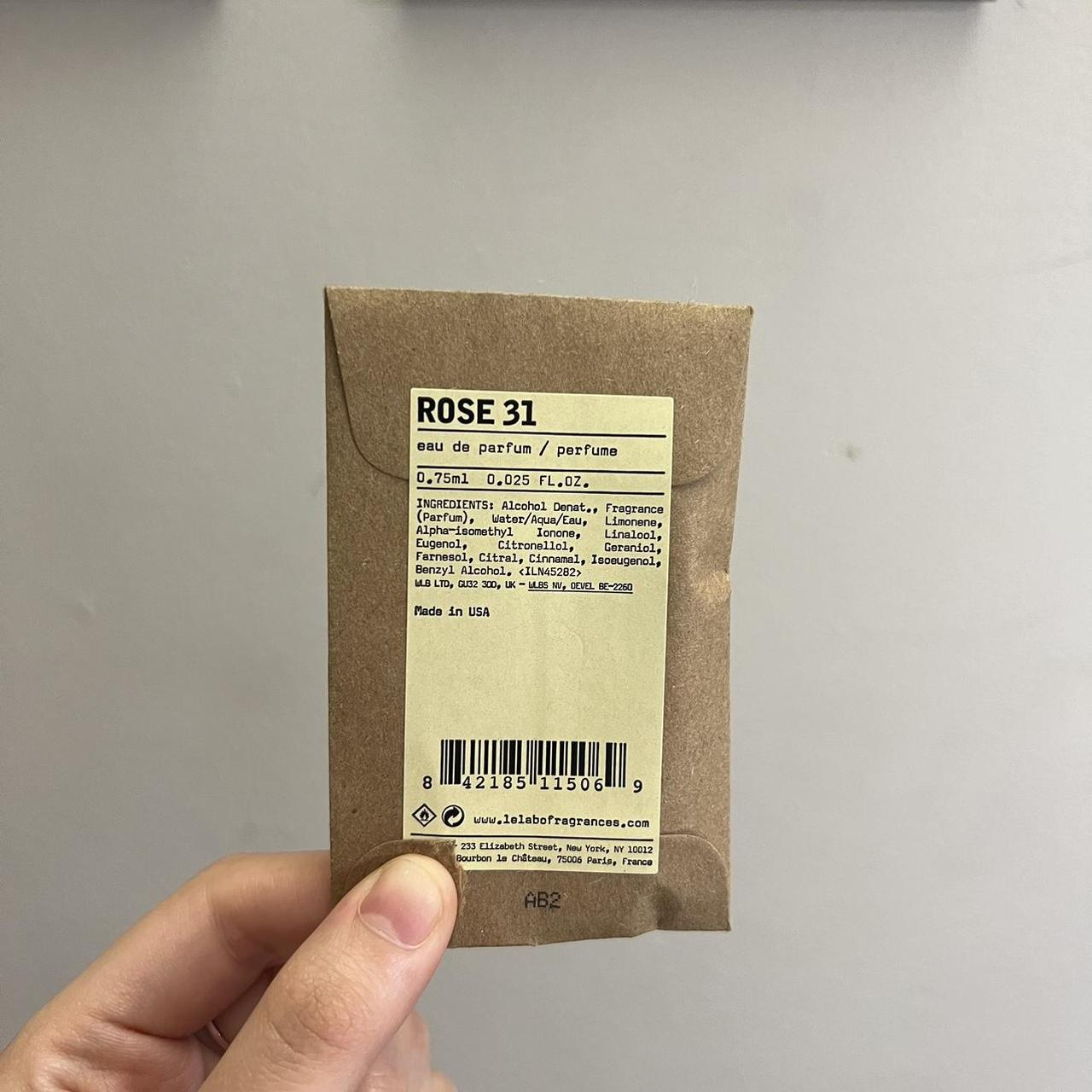
Le Labo's commitment to quality quickly birthed a roster of iconic scents, each named after its primary ingredient and the total number of components. Among them, Santal 33 stands as an undeniable titan. Launched in 2011, this intoxicating blend of Australian sandalwood, papyrus, and cedarwood, laced with cardamon and iris, became an olfactory signature for an entire generation. It's a scent that manages to be both rugged and refined, comforting and challenging, earning its cult status and inspiring countless imitations. Rose 31, a unique reinterpretation of the classic rose, transformed the flower from delicate femininity to a more ambiguous, woody, and spicy character. Bergamote 22, with its vibrant citrus and musky undertones, and Another 13, a hypnotic ambergris and musky accord, further cemented Le Labo's reputation for creating memorable, boundary-pushing compositions. The "made-to-order" process, where each bottle is filled, labeled with the date, and personalized, became a signature experience, adding to the allure of exclusivity and freshness.
Brand Evolution and Global Reach
Le Labo's meteoric rise from a humble New York boutique to a global phenomenon is a testament to its unwavering commitment to its core values. Despite its growing popularity, the brand meticulously maintained its artisanal ethos. In 2014, a significant turning point arrived when The Estée Lauder Companies acquired Le Labo. While such acquisitions often raise concerns about brand dilution, Estée Lauder largely allowed Penot and Roschi to maintain creative control and their distinctive "slow perfumery" approach. This strategic move provided Le Labo with the resources to expand its reach without compromising its soul. The brand diversified into exquisite body care lines, home fragrances, and the much-anticipated "City Exclusives" – unique scents available only in specific global cities, further fueling desire and collectibility.
Legacy and Enduring Influence
Le Labo's influence on the modern perfume landscape is profound. It spearheaded a movement towards transparency, authenticity, and a return to the craft of perfumery, inspiring countless niche brands to prioritize ingredients and storytelling over marketing fluff. Penot and Roschi demonstrated that a luxury brand could thrive by being raw, honest, and slightly unconventional. Their "anti-perfume" approach, which shunned traditional advertising in favor of word-of-mouth and genuine connection, proved to be incredibly powerful. Le Labo's legacy is one of challenging norms, elevating raw materials, and fostering a deep, personal connection between scent and wearer. It continues to be a beacon for those who seek fragrances with character, soul, and a story to tell, solidifying its place as a true icon in the history of scent.