The Rebellious Spirit of Franco Moschino
Founded in 1983 by the visionary Franco Moschino, the eponymous fashion house was never one to play by the rules. Moschino emerged as a playful provocateur in an industry often seen as overly serious, injecting a much-needed dose of irony, wit, and social commentary into high fashion. His mantra was 'fashion should be fun,' a philosophy that translated into bold designs, unconventional campaigns, and a distinct anti-establishment ethos. While his initial focus was on clothing, accessories, and shoes, it was only a matter of time before this unique perspective extended into the world of fragrance, creating scents that were as much a statement as his garments.
The Dawn of Moschino Fragrances
Moschino’s foray into perfumery began in 1987 with the release of its first eponymous fragrance, simply called Moschino. This original scent, often overlooked today, captured the essence of the brand's early rebellious charm – a classic chypre composition with an unexpected twist, signaling that Moschino perfumes would always be more than just a pleasant smell. They were an extension of a lifestyle, an attitude.
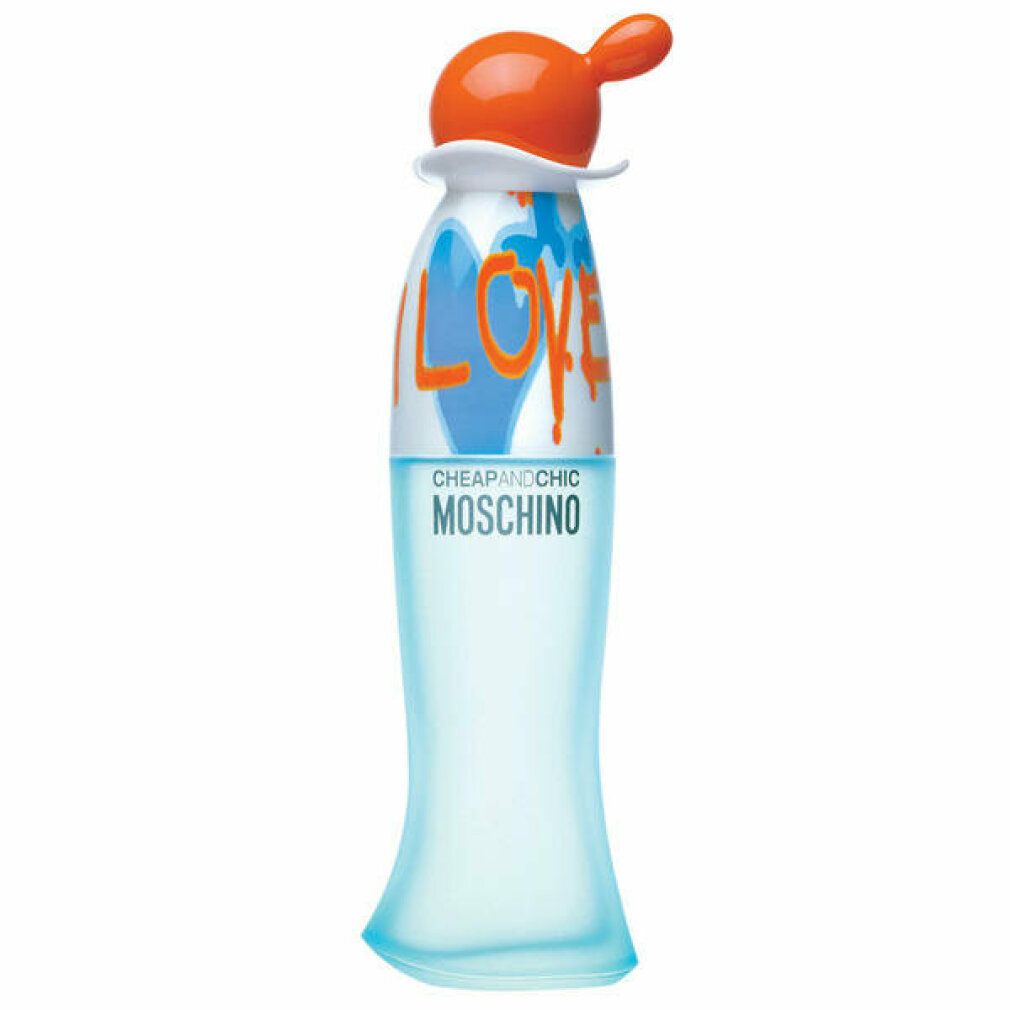
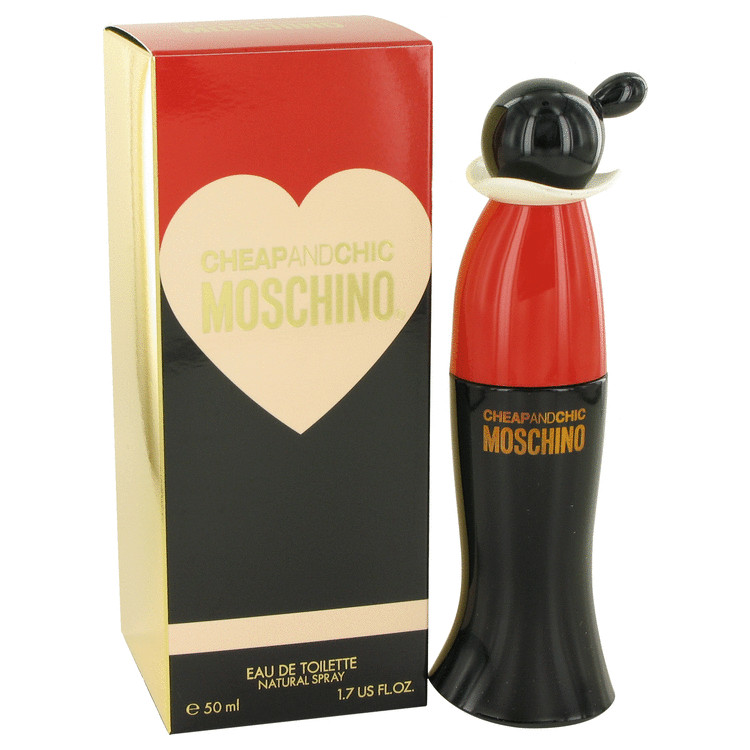
However, it was the mid-1990s that truly cemented Moschino's place in the perfume hall of fame. Following Franco Moschino's untimely passing in 1994, his creative director, Rosella Jardini, continued his legacy. In 1995, Moschino launched Cheap & Chic, a fragrance that perfectly embodied Franco's 'cheap and chic' philosophy. Housed in an iconic bottle shaped like Olive Oyl from Popeye, it was an immediate sensation. The scent itself – a vibrant floral woody musk – was joyful, accessible, and yet unmistakably stylish, proving that luxury didn't have to be stuffy.
Evolution and Iconic Scents
The success of Cheap & Chic paved the way for a series of beloved fragrances, each carrying the Moschino DNA of playfulness and sophisticated charm:
- L'Eau de Cheap & Chic (2001): A lighter, fresher interpretation that continued the line's appeal.
- Moschino I Love Love (2004): A sparkling, optimistic citrusy floral that became a youthful favorite, bottled in a vibrant, round flacon.
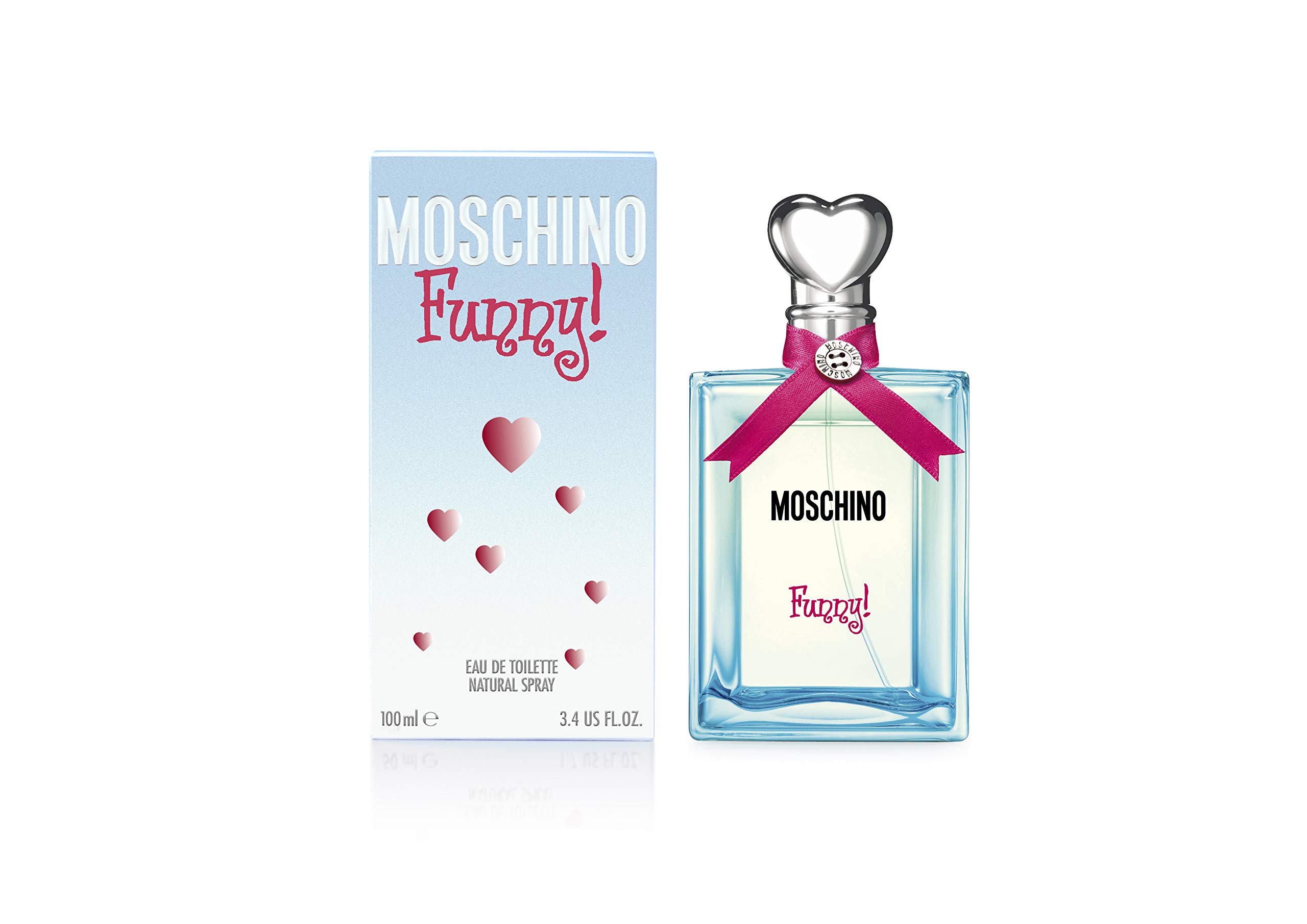
- Funny! (2007): Another cheerful, energetic scent aimed at a younger demographic, cementing Moschino's ability to create widely appealing, feel-good fragrances.
A New Chapter: Jeremy Scott's Vision
In 2013, the appointment of Jeremy Scott as Creative Director marked a dramatic new era for Moschino. Scott, known for his pop-culture infused, high-concept designs, breathed fresh air into the brand, amplifying its inherent playfulness and pushing boundaries further. This vision translated brilliantly into fragrance, resulting in some of the most talked-about perfume launches of the decade.
The most revolutionary was perhaps Moschino Fresh Couture (2015). Its bottle, designed to resemble a household cleaning spray bottle, was a stroke of genius – a tongue-in-cheek commentary on consumerism and luxury packaging. The irony was palpable, and the scent inside, a fresh floral-woody, proved to be as captivating as its unconventional exterior. This release firmly established Moschino's fragrances as conversation starters, blurring the lines between art, fashion, and everyday objects.
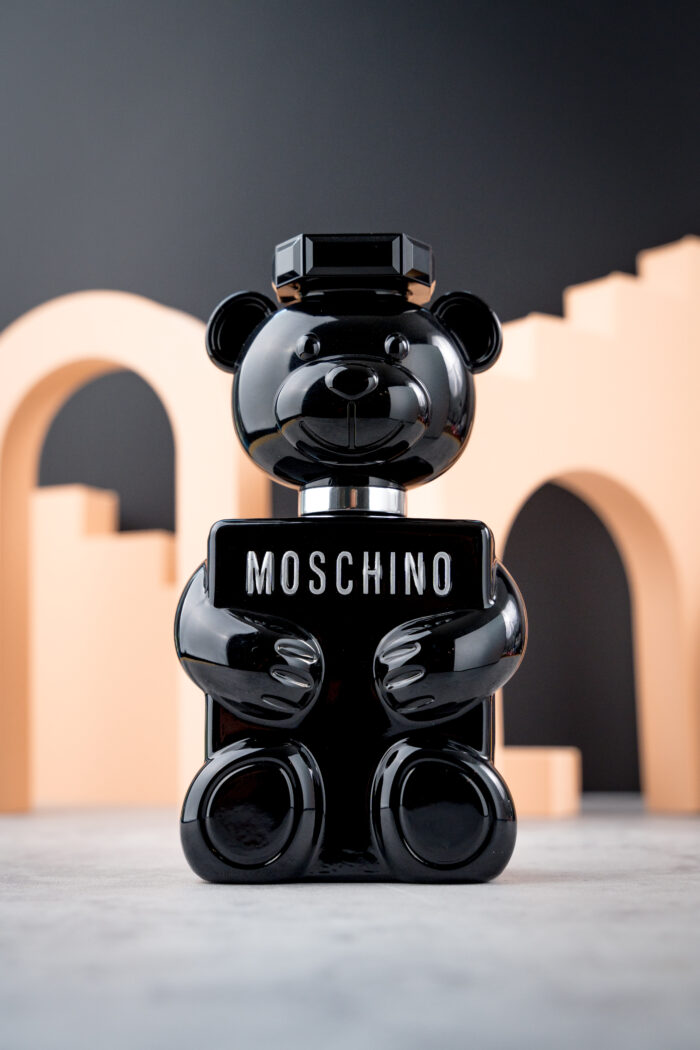
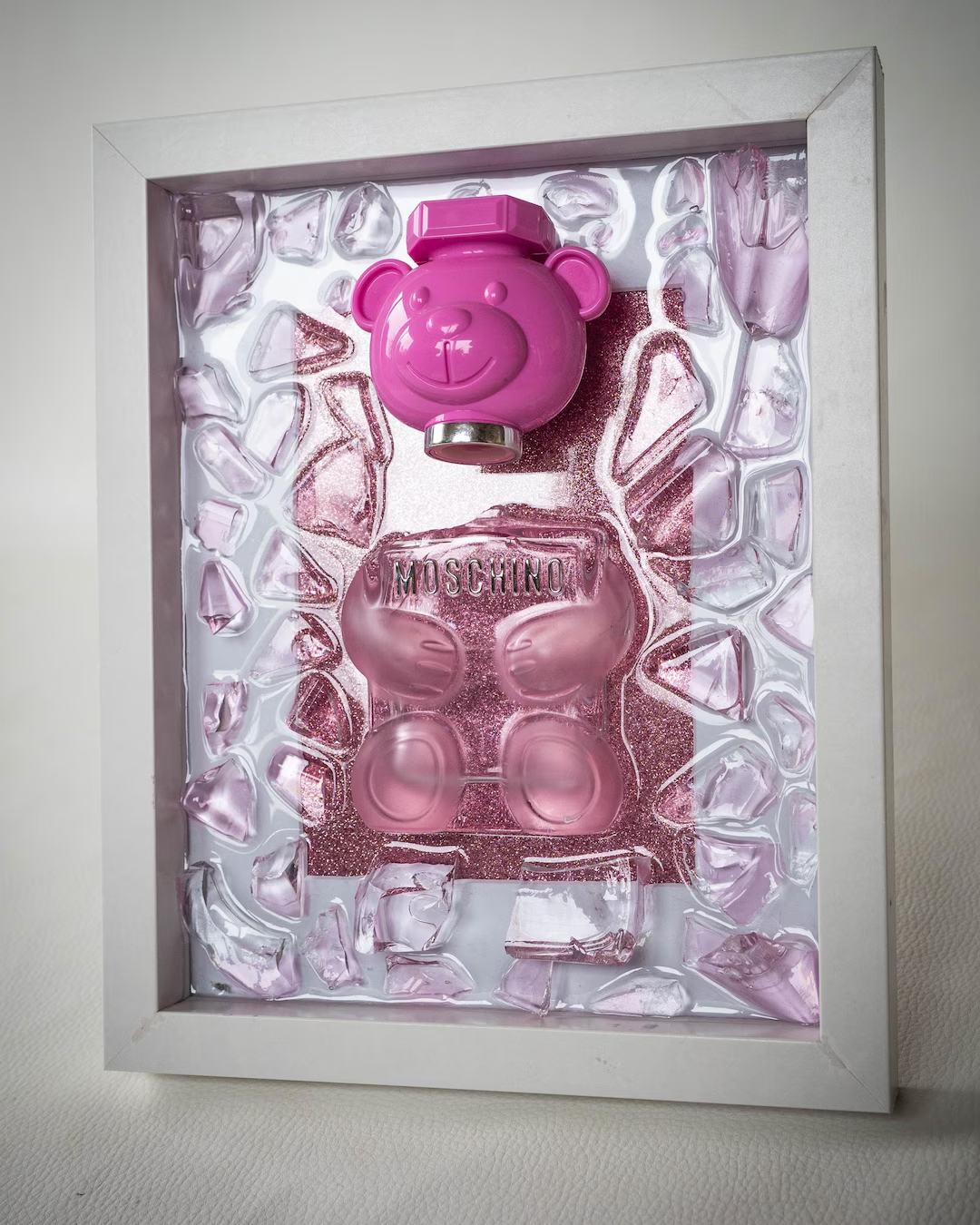
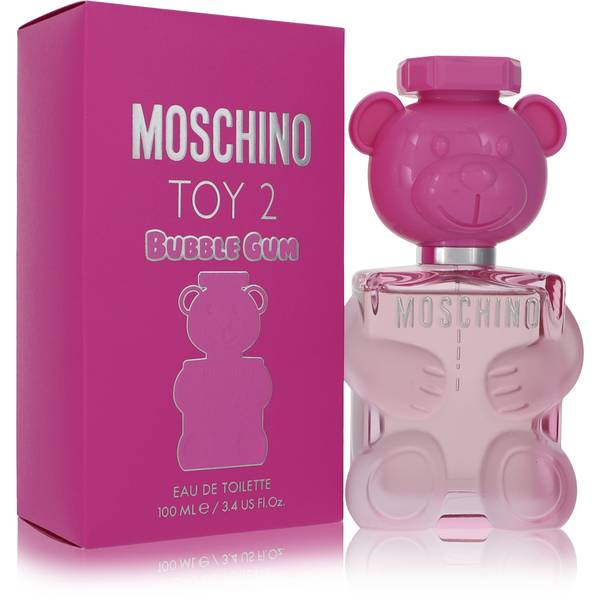
Scott's influence continued with the immensely popular 'Toy' series, starting with Moschino Toy 2 (2018) and its masculine counterpart, Toy Boy (2019). Housed in adorable teddy bear bottles, these scents offered sophisticated compositions hidden beneath a whimsical façade, once again demonstrating Moschino's commitment to playful subversion.
Legacy and Influence
Moschino's journey in the perfume world mirrors its trajectory in fashion: a constant challenge to convention, a celebration of individuality, and an unwavering commitment to joy. From Franco's initial rebellious spirit to Jeremy Scott's modern pop-art sensibilities, the brand has consistently delivered fragrances that are not just beautiful, but also smart, humorous, and thought-provoking. Moschino perfumes are more than just olfactory experiences; they are declarations of personality, designed for those who appreciate wit, irony, and a touch of the unexpected in their everyday lives. They stand as a testament to the idea that luxury can be fun, and fashion, truly, should never take itself too seriously.