The Dawn of a Dream: Nina Ricci's Founding
The story of Nina Ricci, a name synonymous with Parisian elegance and enchanting fragrances, begins not with perfume, but with haute couture. Founded in 1932 in Paris by Maria Adélaïde Nielli, known as Nina Ricci, the fashion house quickly established itself for its refined, feminine designs that draped beautifully and celebrated the female form. Nina, a skilled dressmaker with an innate understanding of women's desires, built her brand on exquisite craftsmanship and timeless style.
However, it was Nina's visionary son, Robert Ricci, who recognized the immense potential for the brand to transcend fashion and capture the essence of its aesthetic in a bottle. In a move that would define Nina Ricci's future, Robert decided to launch a fragrance division in 1946, believing that perfume was an 'act of faith' and an invisible yet powerful accessory. His mother, initially hesitant to divert from couture, eventually entrusted him with this ambitious venture, setting the stage for one of the most beloved fragrance houses in history.
Crafting Olfactory Masterpieces: Key Figures and Early Success
The Visionary Son: Robert Ricci
Robert Ricci was not merely a businessman; he was an artist with a nose for scent and a deep appreciation for the symbolic power of fragrance. He understood that a perfume must tell a story, evoke an emotion, and forge an indelible connection with its wearer. Rather than composing the scents himself, Robert collaborated with the finest perfumers of his era, providing them with his precise vision and inspiration. This collaborative spirit, combined with an unwavering commitment to quality, became the hallmark of Nina Ricci fragrances.
A Post-War Symphony: Coeur-Joie and L'Air du Temps
The first Nina Ricci fragrance, Coeur-Joie, launched in 1946, was a testament to the brand's post-war optimism and desire to bring joy back into women's lives. Housed in a delicate bottle designed by Lalique, it set a precedent for the exquisite artistry that would characterize future Ricci perfumes. But it was two years later, in 1948, that Nina Ricci would release its most iconic and enduring masterpiece: L'Air du Temps.
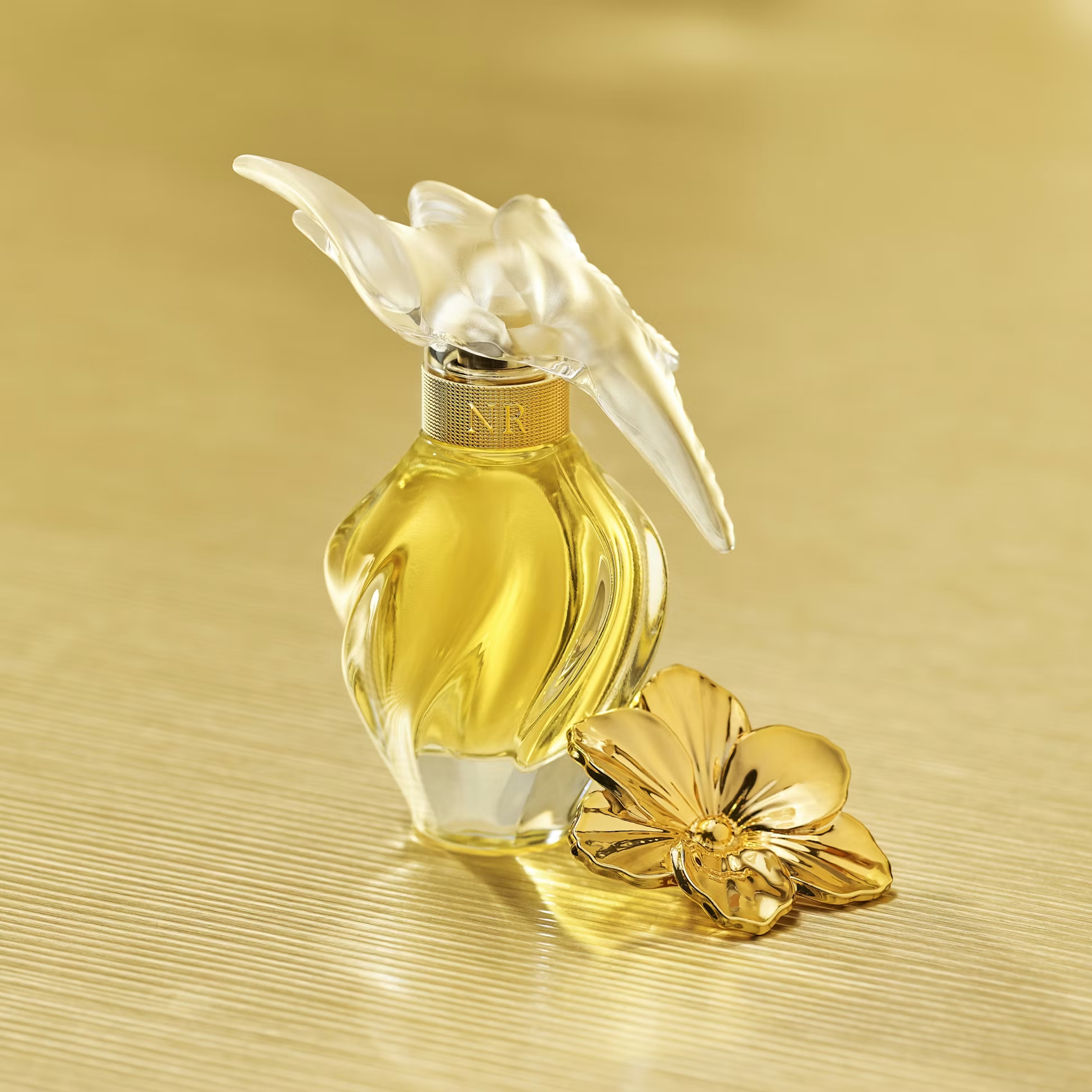
L'Air du Temps, meaning 'the spirit of the times' or 'the mood of the era,' was a poignant reflection of the world emerging from the devastation of World War II. Robert Ricci envisioned a fragrance that symbolized peace, hope, and renewed femininity. He commissioned perfumer Francis Fabron to create a spicy floral scent, dominated by carnation and gardenia, while Marc Lalique designed its legendary bottle featuring two intertwining doves, a universal emblem of peace and love. L'Air du Temps became an instant classic, a declaration of optimism, and a scent cherished across generations, defining an era and solidifying Nina Ricci's place in perfumery history.
A Legacy of Scent: Expanding the Olfactory Portfolio
Following the immense success of L'Air du Temps, Nina Ricci continued to expand its fragrance portfolio, each new creation imbued with the brand's signature romanticism and elegance. Fragrances like Fille d'Eve (1952), a fruity chypre representing temptation, and Capricci (1960), a sophisticated floral aldehyde, further cemented the house's reputation for creating perfumes that were both luxurious and deeply personal. Later releases such as Farouche (1973) and Nina (1987) showcased the brand's ability to adapt to changing tastes while maintaining its core identity. Each bottle, often a work of art crafted by the esteemed Lalique crystal house, reinforced the idea that a Nina Ricci perfume was more than just a scent—it was a precious object.
Modern Chapters: Evolution and Enduring Appeal
As the decades progressed, Nina Ricci's fashion house saw various creative directors, but its fragrance division, under Robert Ricci's guidance until his passing in 1988, remained a beacon of consistent quality and creativity. In 1998, the Puig Group acquired the Nina Ricci brand, injecting new vitality and a global perspective. This acquisition led to a modernization of the fragrance offerings, reaching out to new generations while respecting the brand's rich heritage.
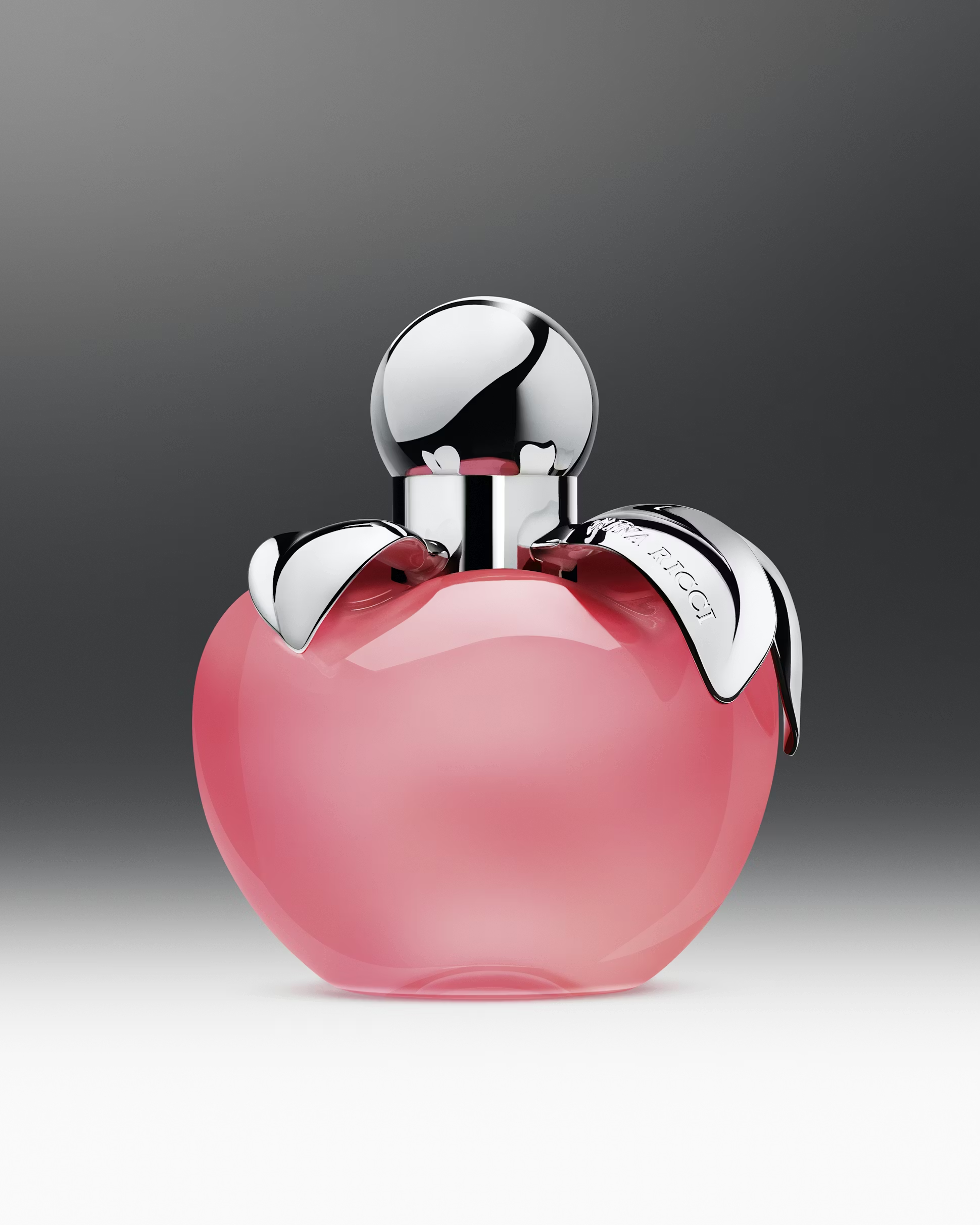
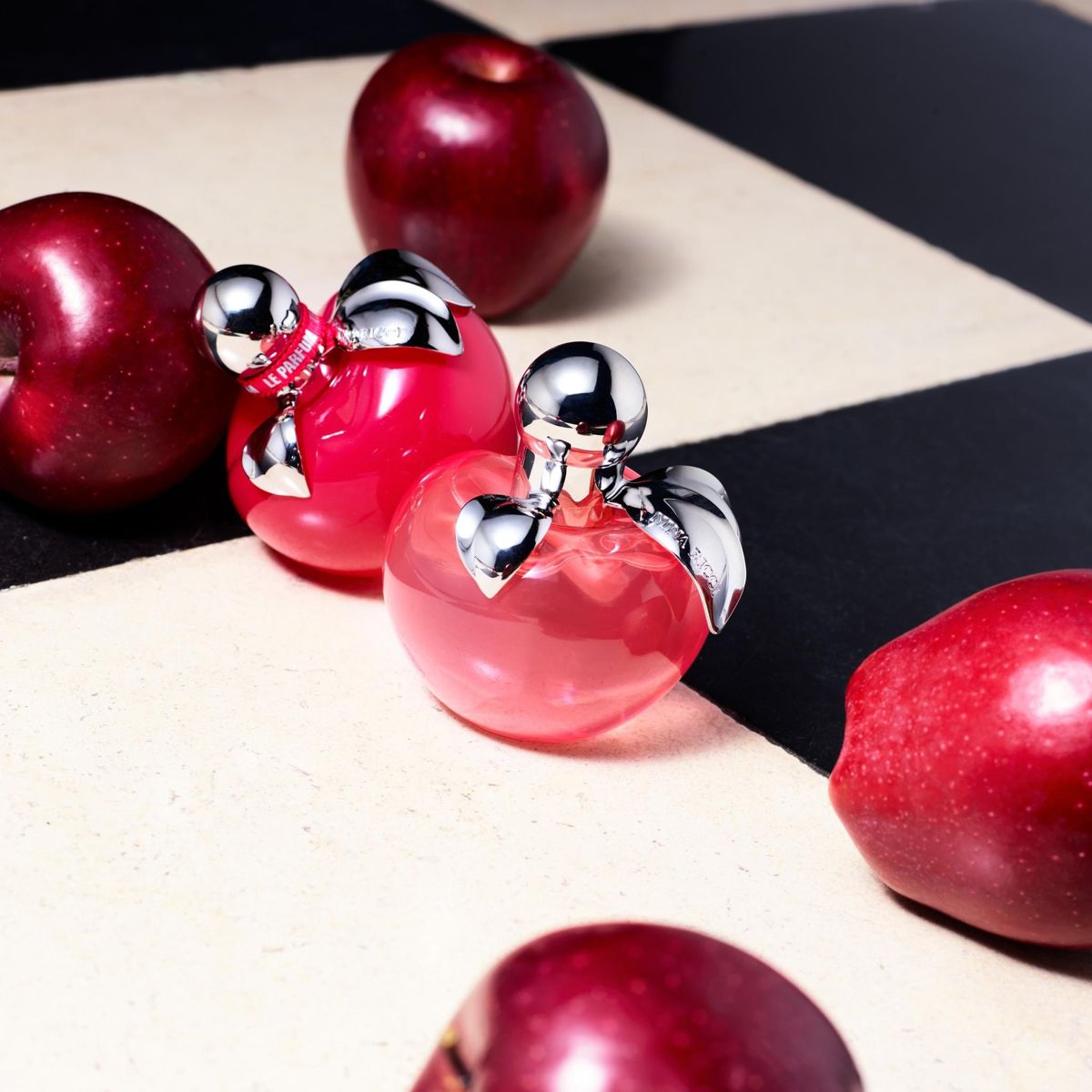
The early 2000s saw the launch of a new flagship fragrance, Nina, targeting a younger, more whimsical audience. Encased in a distinctive apple-shaped bottle, Nina offered a fresh, gourmand floral scent that became a commercial success, demonstrating the brand's ability to evolve and capture new market segments without abandoning its romantic essence. This strategy allowed Nina Ricci to maintain its relevance in a dynamic and competitive industry.
The Enduring Essence: Nina Ricci's Legacy
Today, Nina Ricci stands as a testament to the enduring power of dreams, elegance, and olfactory artistry. Its legacy is built on a foundation of exquisite haute couture, brought to life in the world of fragrance through the vision of Robert Ricci. The brand continues to embody a unique blend of timeless romance, Parisian chic, and a touch of whimsical fantasy. From the iconic doves of L'Air du Temps to the enchanting apple of Nina, each perfume tells a story of femininity, grace, and the magic of scent.
Nina Ricci has not just created perfumes; it has crafted olfactory memories that resonate across generations, influencing countless other brands with its dedication to artistry, quality, and the profound emotional connection between a woman and her chosen fragrance. It remains a cherished name, a symbol of beauty and imagination in the pantheon of global perfumery.