A Revolution in a Bottle: The Founding Ethos
In 1976, Brighton, England, witnessed the birth of a quiet revolution: The Body Shop. Founder Anita Roddick, a woman of fierce passion, opened her doors with a radical vision: create beauty products using natural, ethically sourced ingredients, without animal testing, and packaged in refillable containers. This was a manifesto for conscious consumerism.
Roddick, a seasoned traveller and human rights activist, imbued her brand with personal values. From humble beginnings, The Body Shop rapidly expanded, becoming a global phenomenon driven by its commitment to environmentalism and social justice.
Scenting Change: Iconic Fragrances and Ethical Perfumery
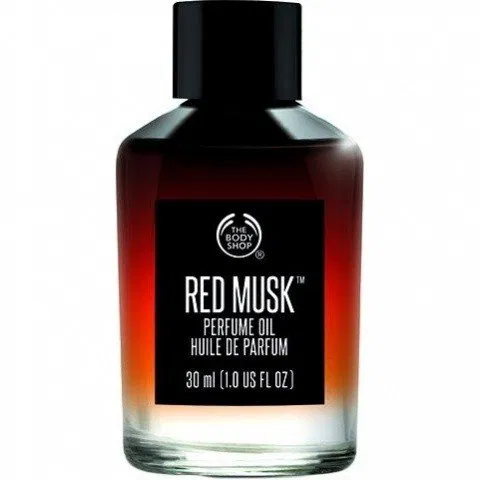
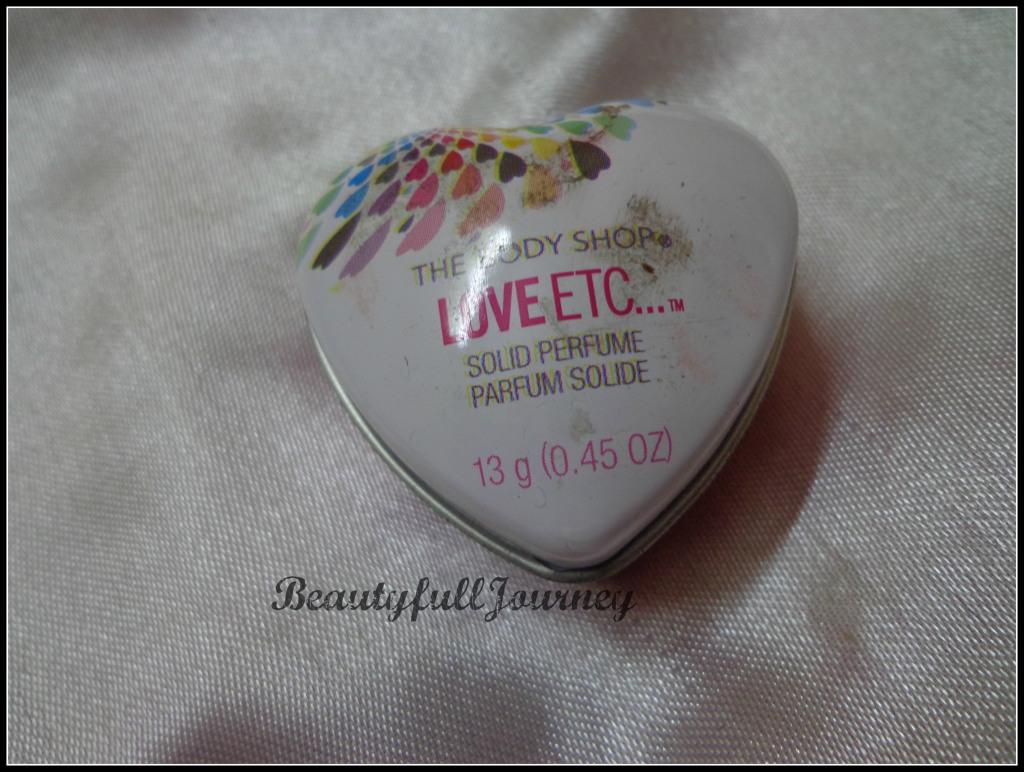
While The Body Shop built its foundation on skincare, its foray into fragrance was equally pioneering. Unlike complex, often animal-derived scents then prevalent, The Body Shop offered refreshing simplicity. Early fragrances were straightforward, often single-note interpretations of nature: Dewberry, Strawberry, Satsuma, and various vibrant floral and fruity essences.
The White Musk Phenomenon
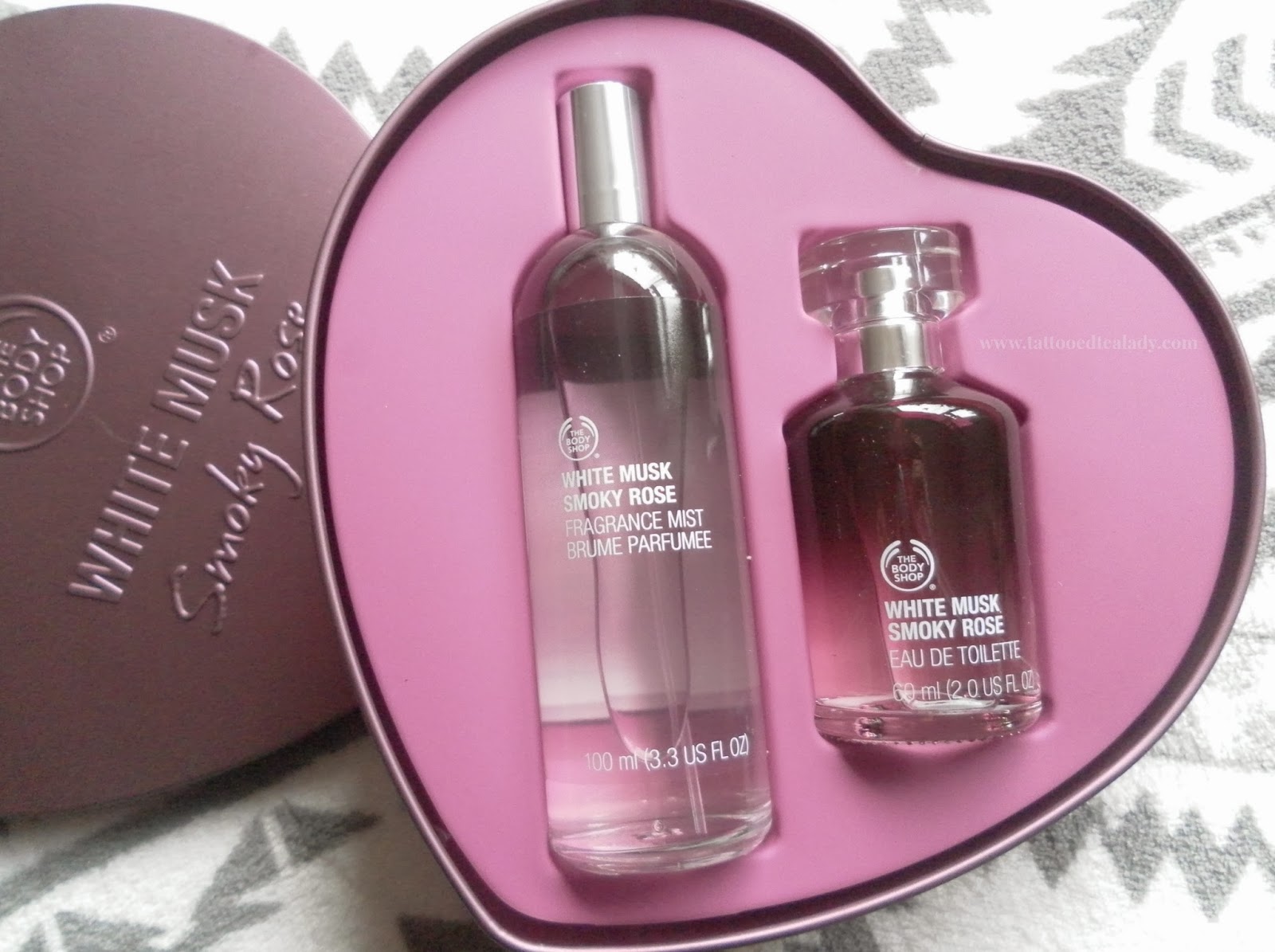
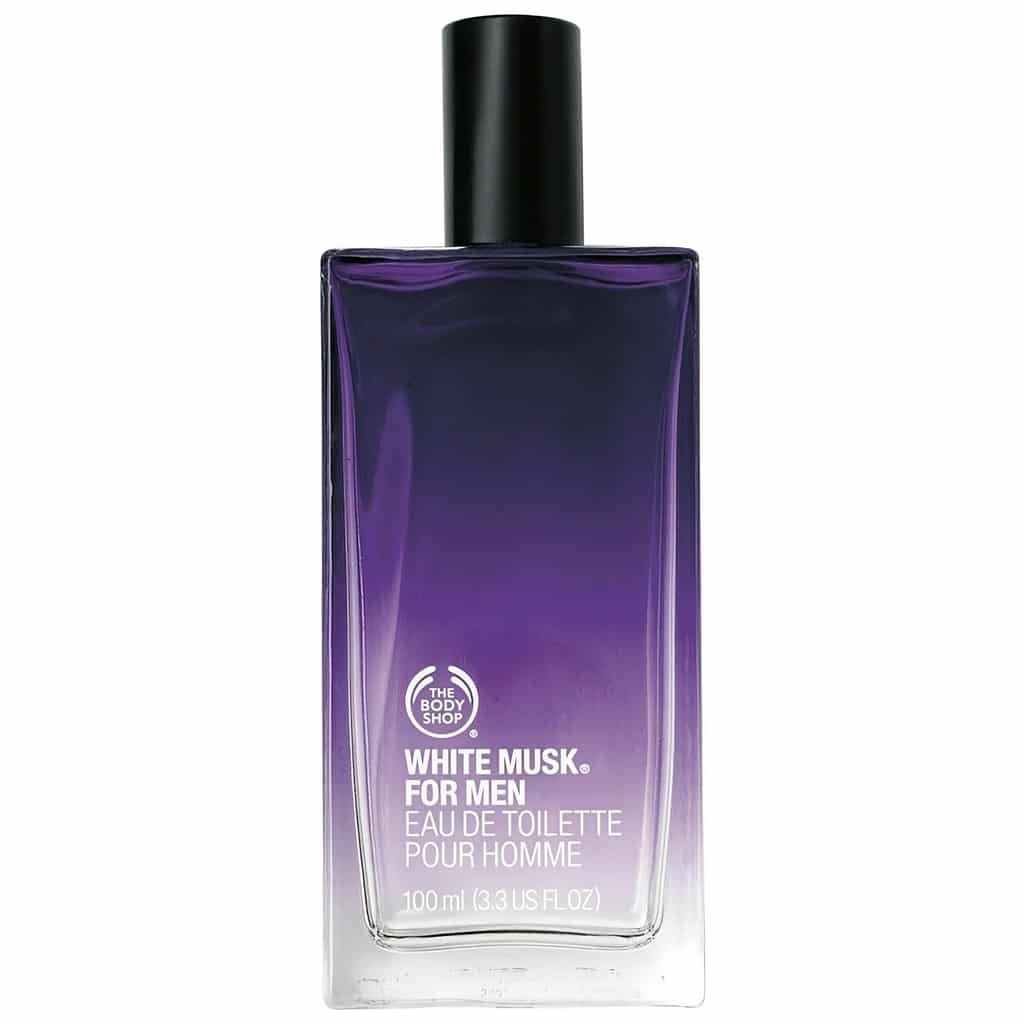
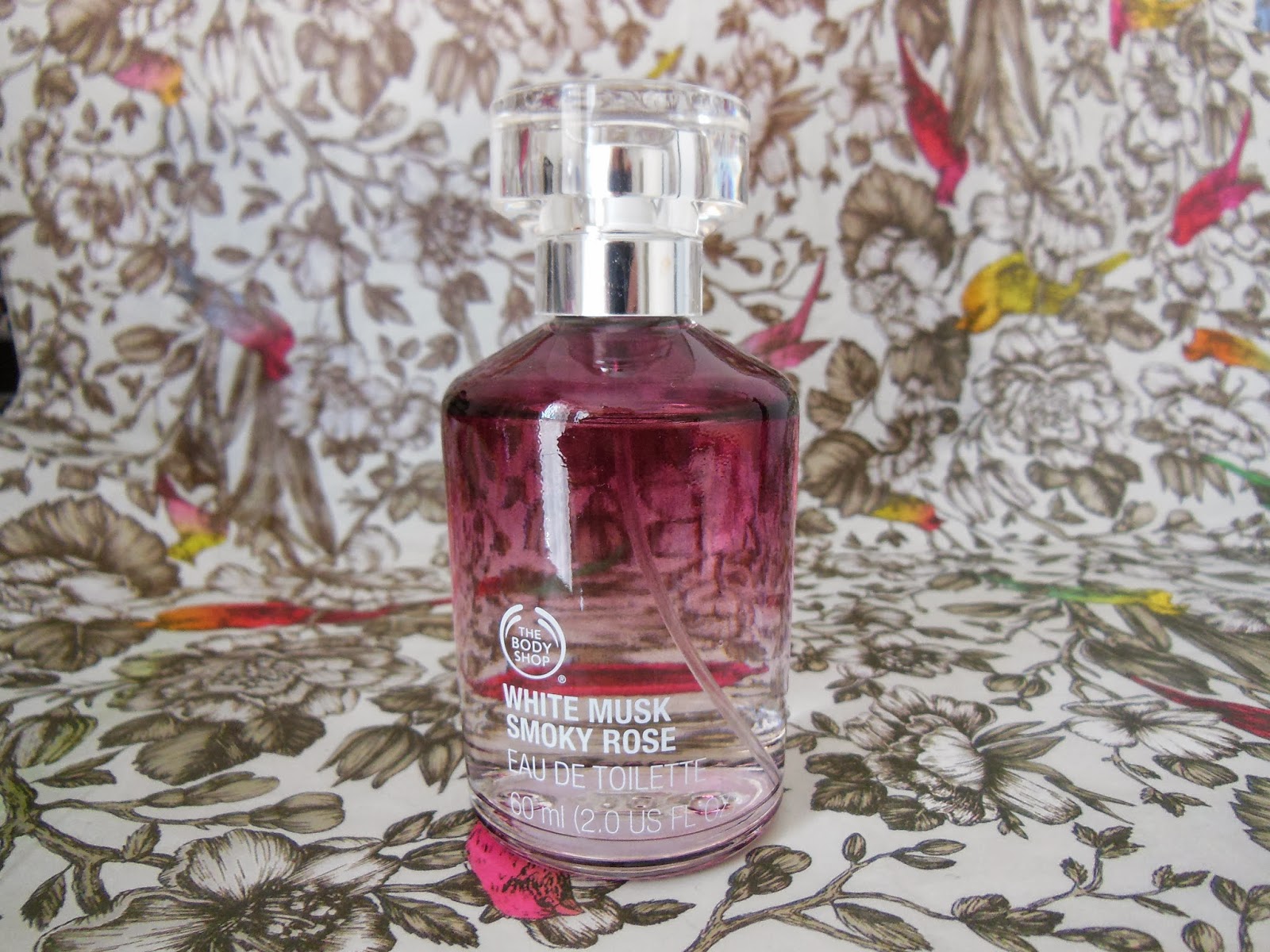
The true fragrance game-changer arrived in 1981: White Musk. When traditional musks often relied on animal-derived ingredients, White Musk presented a revolutionary, cruelty-free alternative. Its soft, sensual, clean aroma — a sophisticated blend of synthetic musk, lily, iris, and ylang-ylang — captivated global audiences. White Musk became not just The Body Shop's signature, but an iconic fragrance, proving ethical perfumery both desirable and accessible. Its enduring appeal solidified The Body Shop's place in fragrance history.
Evolution and Ethical Crossroads
The Body Shop's growth throughout the 1980s and 90s saw it consistently advocate for human rights, environmental protection, and animal welfare. Its "Trade Not Aid" Community Trade programme (1987) ethically sourced ingredients from disadvantaged communities, ensuring fair prices and sustainable practices.
The brand's journey faced significant shifts. In 2006, Anita Roddick controversially sold The Body Shop to L'Oréal, sparking debate. A new chapter began in 2017 when L'Oréal sold it to Natura & Co, a Brazilian group with strong ethical credentials, marking a "homecoming" with B-Corp reaffirmation.
However, the story continued to evolve. In late 2023, Natura & Co sold The Body Shop to Aurelius Group. Months later, in early 2024, UK operations entered administration, citing challenging retail conditions. This highlights the ongoing struggle for ethical business models.
The Enduring Legacy
Regardless of recent tribulations, The Body Shop's legacy in beauty and fragrance is profound. Anita Roddick and her brand fundamentally altered the cosmetics industry, proving ethics and profitability were not mutually exclusive. They pioneered ethical consumerism, compelling larger corporations to re-evaluate sourcing, animal testing, and environmental impact.
For perfume enthusiasts, The Body Shop opened doors to accessible, natural-inspired scents that didn't compromise values. White Musk remains a testament to a fragrance that is both beautiful and ethical. The brand’s influence extends beyond products; it championed activism, transparency, and a deep connection between commerce and social change. Anita Roddick's original vision continues to resonate, forever impacting how we perceive and demand responsibility from brands.