From Breton Roots to Botanical Beauty Empire
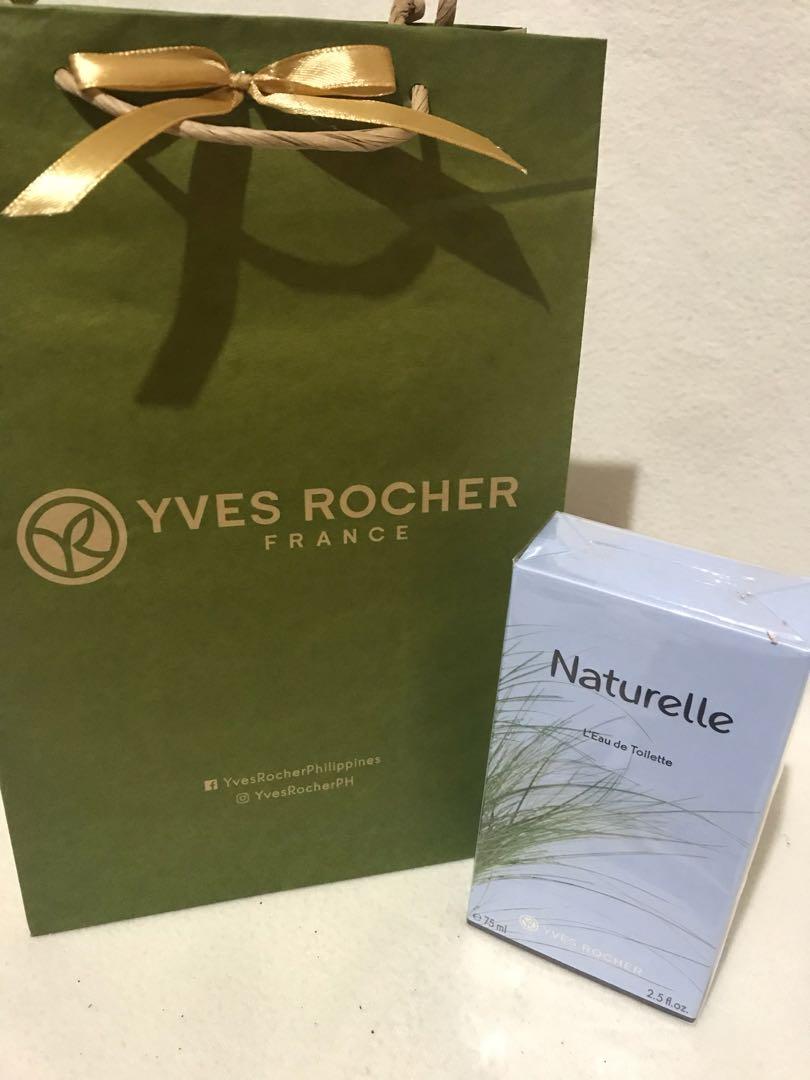
The story of Yves Rocher begins not in a bustling metropolis, but in the tranquil, verdant heart of La Gacilly, a small village in Brittany, France. It was here, in 1959, that a visionary entrepreneur named Yves Rocher cultivated a groundbreaking idea: to make plant-based beauty accessible to all women. Starting in his attic laboratory, Rocher, a passionate botanist, began crafting creams and tinctures from the plants he meticulously grew himself. His initial innovation was a botanical ointment made from lesser celandine, and he sold it directly to customers through mail order – a revolutionary approach that bypassed traditional retail channels and allowed him to offer high-quality products at democratic prices.
The Visionary and His Philosophy
Yves Rocher himself was the driving force behind the brand's unique identity. His philosophy was simple yet profound: "Plant power for all." He believed in reconnecting women with the benefits of nature, emphasizing transparency in ingredients and a direct relationship with the consumer. This commitment extended to controlling every step of the process, from growing the plants in their own organic fields in La Gacilly to manufacturing and distributing the final products. This vertical integration, "from plant to skin," became a hallmark of the brand, ensuring quality, traceability, and affordability.
A Journey of Global Expansion and Green Commitment
What began as a mail-order business in a small village soon blossomed into a global phenomenon. Yves Rocher expanded rapidly, opening its first physical stores in the 1970s, which served as vibrant showcases for its botanical universe. The brand was an early pioneer in ecological awareness, advocating for environmental protection long before it became mainstream. In 1971, Yves Rocher established the La Gacilly Botanical Garden, dedicated to studying and preserving plant species. Later, the Yves Rocher Foundation, created in 1991, further cemented its commitment to biodiversity and planting trees worldwide, showcasing a profound dedication to sustainability that continues to this day under the leadership of his grandson, Bris Rocher.
Scents of Nature: Iconic Fragrances
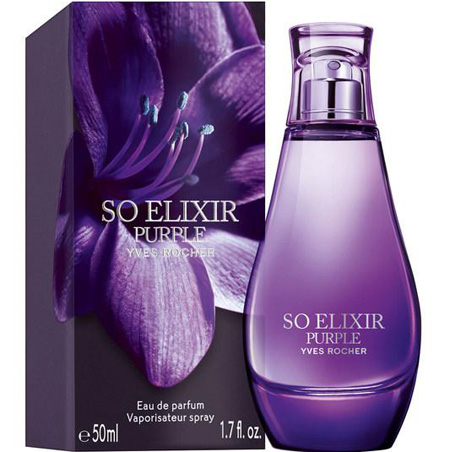
For perfume enthusiasts, Yves Rocher has offered an enduring olfactory journey into the heart of nature. While renowned for skincare and makeup, the brand's fragrances have consistently captured the essence of botanical beauty. Early successes included single-note floral eaux de toilette, celebrating the purity of rose, lily of the valley, or lilac. Over the decades, Yves Rocher introduced more complex and beloved compositions:
- Nature (1992): A groundbreaking scent that perfectly encapsulated the brand's ethos, offering a fresh, green, and floral aroma reminiscent of a walk through a vibrant garden.
- Comme une Évidence (2003): A modern classic, this elegant chypre floral with notes of Damascus rose, patchouli, and bergamot became one of their bestsellers, lauded for its sophistication and serene harmony.
- Quelques Notes d'Amour (2014): A romantic and sensual blend featuring Damascus rose, guaiac wood, and benzoin, designed to evoke the joy and passion of love.
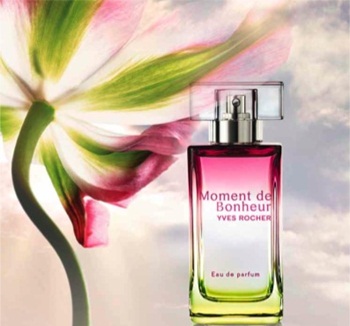
- Other notable mentions include the vibrant Moment de Bonheur and the delicate Pur Desir de Lys, each echoing the brand's dedication to natural ingredients and evocative storytelling through scent.
A Lasting Botanical Legacy
Today, Yves Rocher stands as a testament to the enduring power of a singular vision. It remains a global leader in botanical beauty, distinguished by its unique business model, deep commitment to sustainability, and direct connection with its customers. The brand has influenced countless others by proving that ethical sourcing, environmental responsibility, and affordable quality can coexist. From its humble beginnings in La Gacilly, Yves Rocher has cultivated not just plants, but a legacy of natural beauty, making it a beloved and respected name in the world of fragrance and cosmetics.