The Visionary Beginnings
From the audacious runways of Paris to the intimate world of scent, the house of Yves Saint Laurent has always stood as a beacon of liberation, sophistication, and unyielding rebellion. Founded in 1961 by the visionary designer Yves Saint Laurent and his business partner Pierre Bergé, the brand quickly established itself as a disruptor in fashion, introducing concepts like the tuxedo for women and prêt-à-porter luxury.
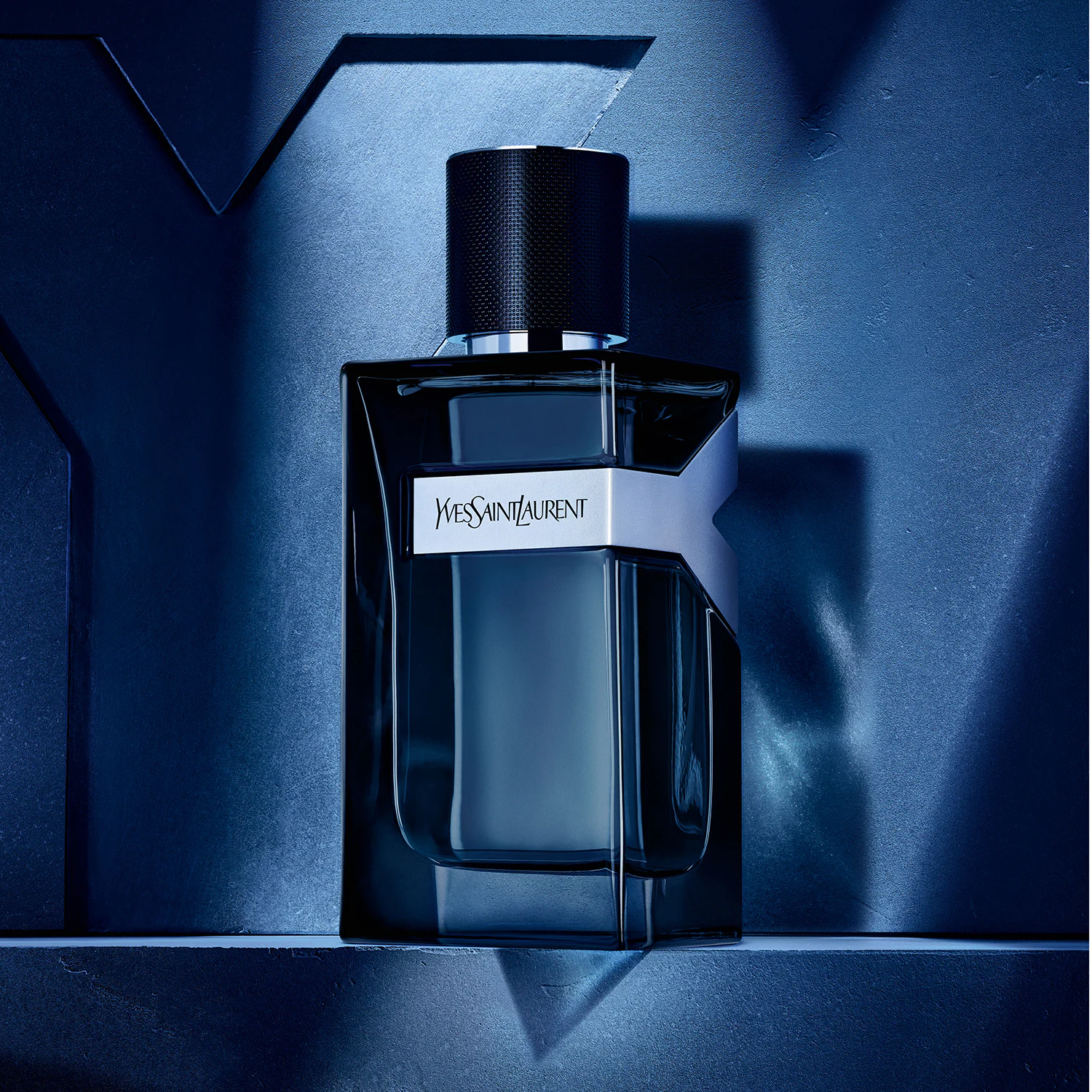
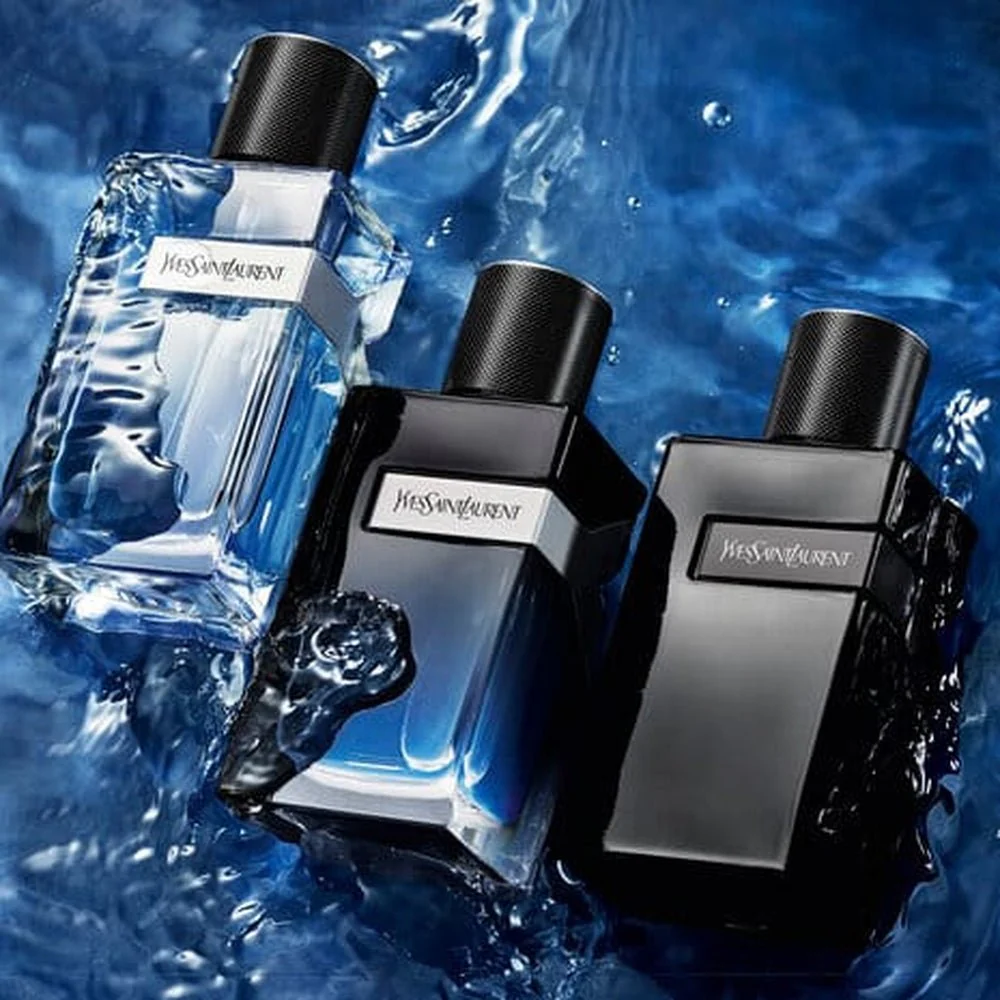
This revolutionary spirit naturally extended to fragrance. Yves Saint Laurent Parfums was officially established in 1964, marking the brand's decisive entry into the olfactory landscape. Its debut fragrance, simply named Y (1964), was a sophisticated chypre floral that encapsulated the elegant and avant-garde spirit of the YSL woman. It was a statement of intent, signaling that YSL scents would be as distinctive and boundary-pushing as their fashion.
Iconic Scents and Unforgettable Statements
Rive Gauche: The Spirit of Paris
In 1971, YSL launched Rive Gauche, a fragrance inspired by the brand's boutique on the Left Bank of Paris. Encased in a distinctive blue, silver, and black striped aluminum can, its modern aldehydic floral scent was fresh, urban, and utterly chic, capturing the independent and spirited woman of the era. It was a perfume that felt both timeless and ahead of its time.
Opium: The Scandalous Sensation
But it was in 1977 that YSL truly etched its name into the olfactory hall of fame with the launch of Opium. A rich, opulent oriental fragrance, Opium was a controversial masterpiece from its very name, which evoked exoticism and forbidden pleasure, leading to protests and bans in several countries. Despite (or perhaps because of) the controversy, Opium became a global phenomenon, its potent blend of spices, resins, and florals becoming synonymous with glamour, excess, and seductive power. It redefined the oriental fragrance category and remains one of the best-selling perfumes of all time.
- Kouros (1981): Not content to define femininity, YSL introduced Kouros, a bold, powerful, and utterly masculine fragrance that celebrated strength and virility. Its unique fougère composition was another groundbreaking success.
- Paris (1983): A romantic counterpoint to Opium's drama, Paris was an ode to the city of love, a radiant rose-centric floral created by the legendary perfumer Sophia Grojsman. It captured a softer, more traditionally feminine side of the YSL aesthetic.
Evolution and Modern Reinvention
The turn of the millennium brought significant changes to the YSL brand. In 1999, the fashion house was acquired by the Gucci Group (now Kering), with the beauty division eventually integrating into L'Oréal in 2008. This allowed YSL Beauté to flourish, benefiting from L'Oréal's extensive research and global distribution while retaining its distinctive brand identity.
During this period, YSL continued to innovate:
- M7 (2002): Under Tom Ford's creative direction for fashion, M7 was a controversial yet pioneering fragrance. It was one of the first major designer fragrances to feature oud prominently, paving the way for the ingredient's global popularity.
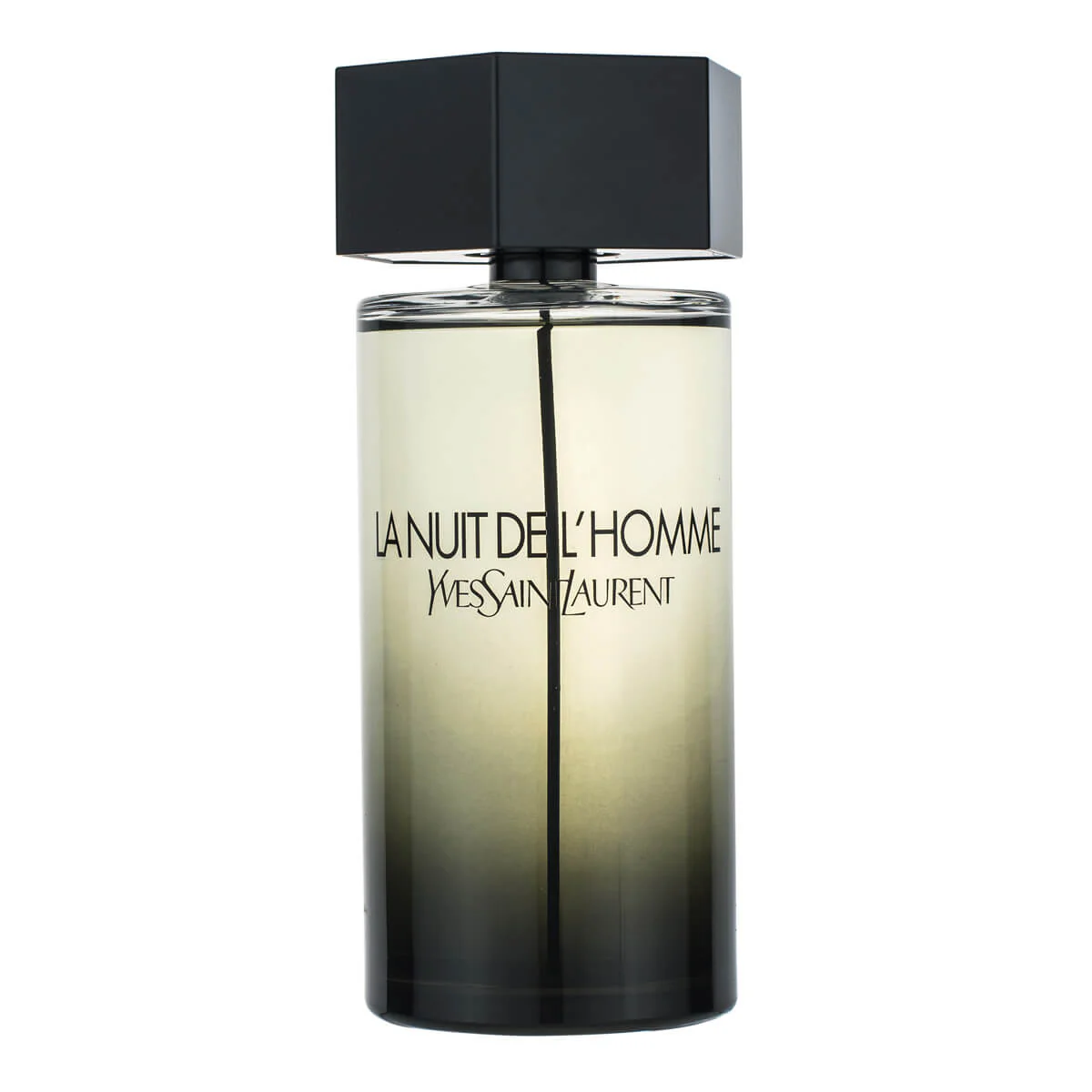
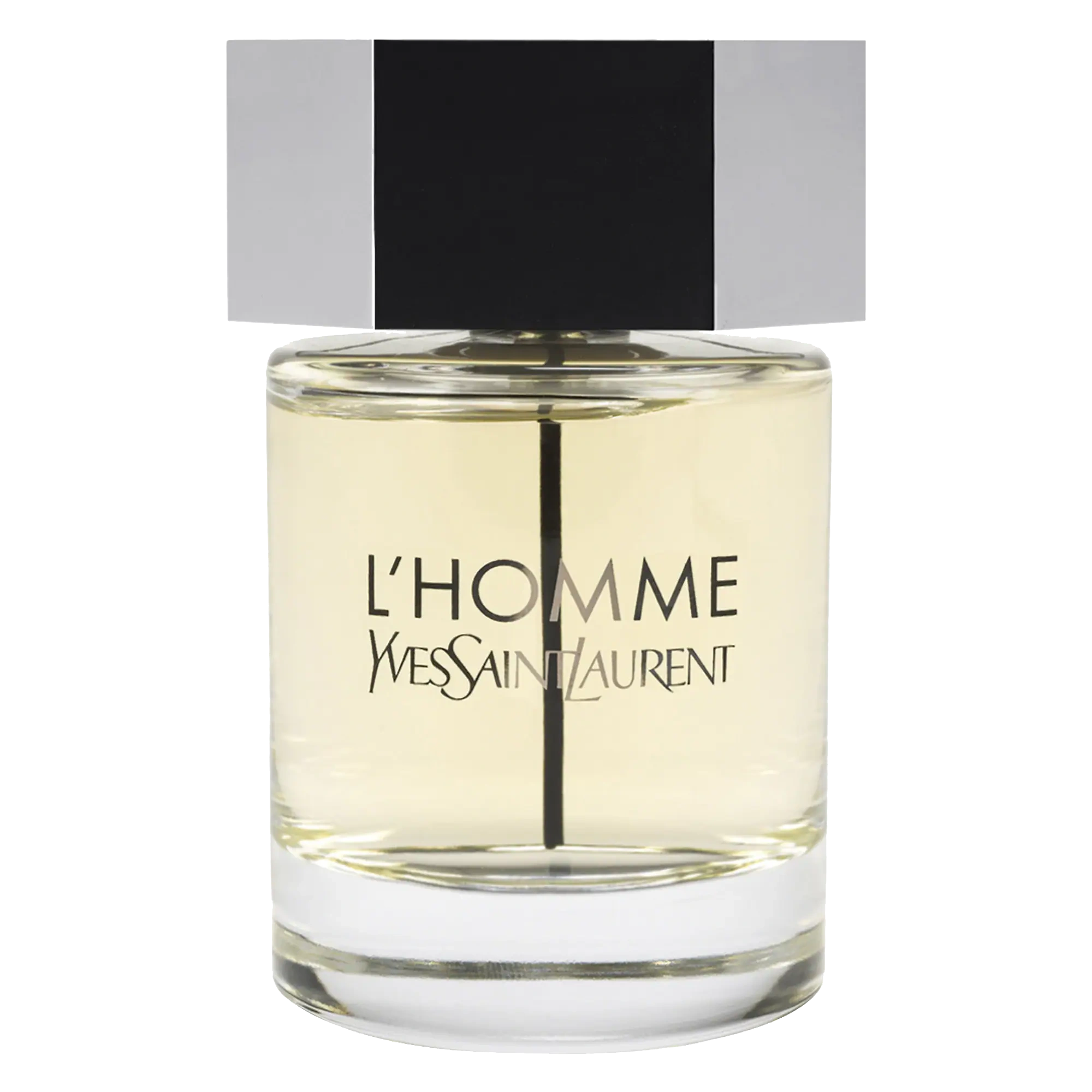
- La Nuit de l'Homme (2009): A modern classic for men, known for its elegant blend of cardamom, lavender, and cedar.
- Manifesto (2012): A vibrant, feminine oriental floral that declared a woman's unwavering passion and freedom.
Black Opium: The Next Chapter
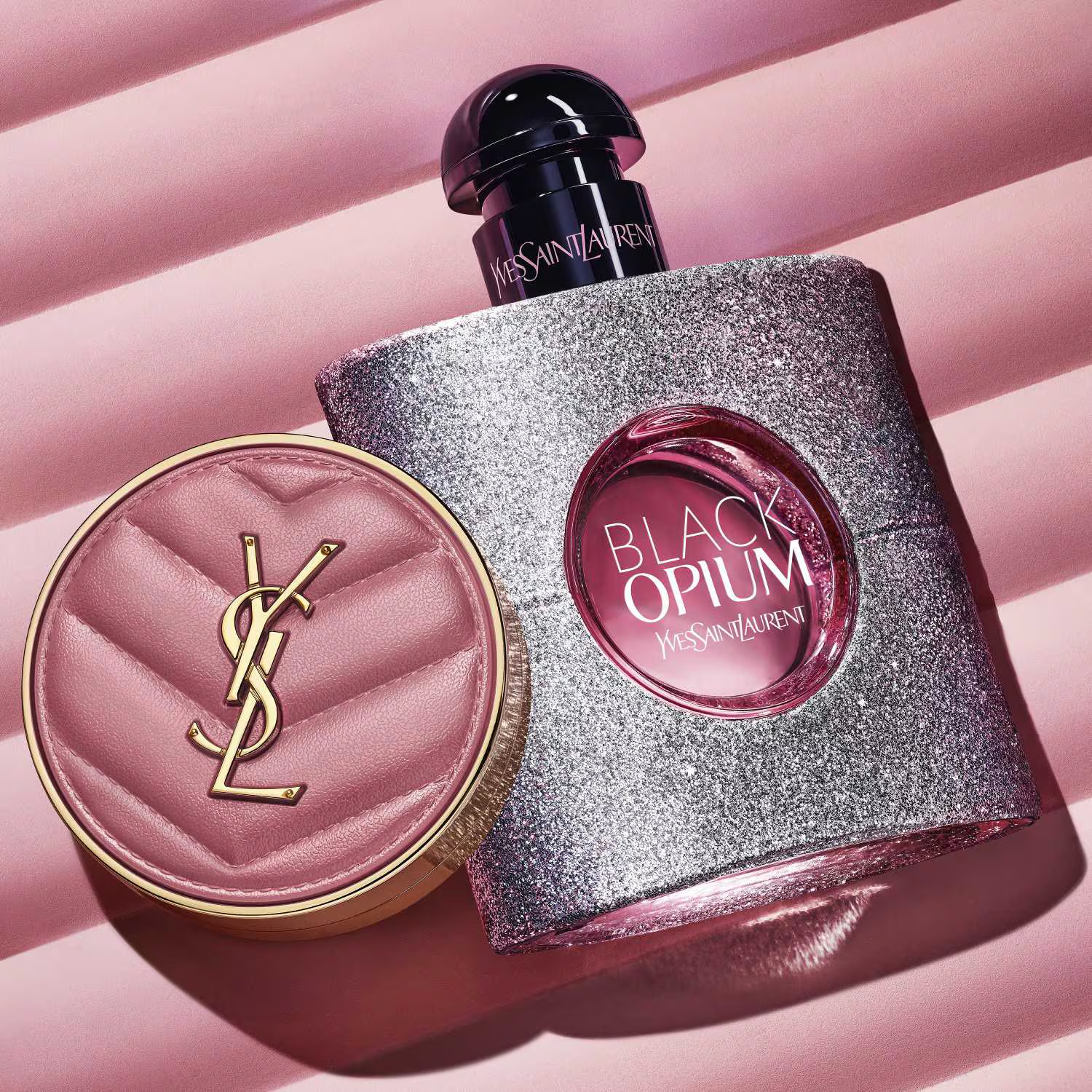
In 2014, YSL launched Black Opium, a contemporary reinterpretation of its legendary predecessor. With a gourmand twist featuring coffee, vanilla, and white florals, it captivated a new generation of fragrance lovers, quickly becoming a blockbuster success and a staple in modern perfumery, proving the brand's ability to evolve its heritage for new audiences.
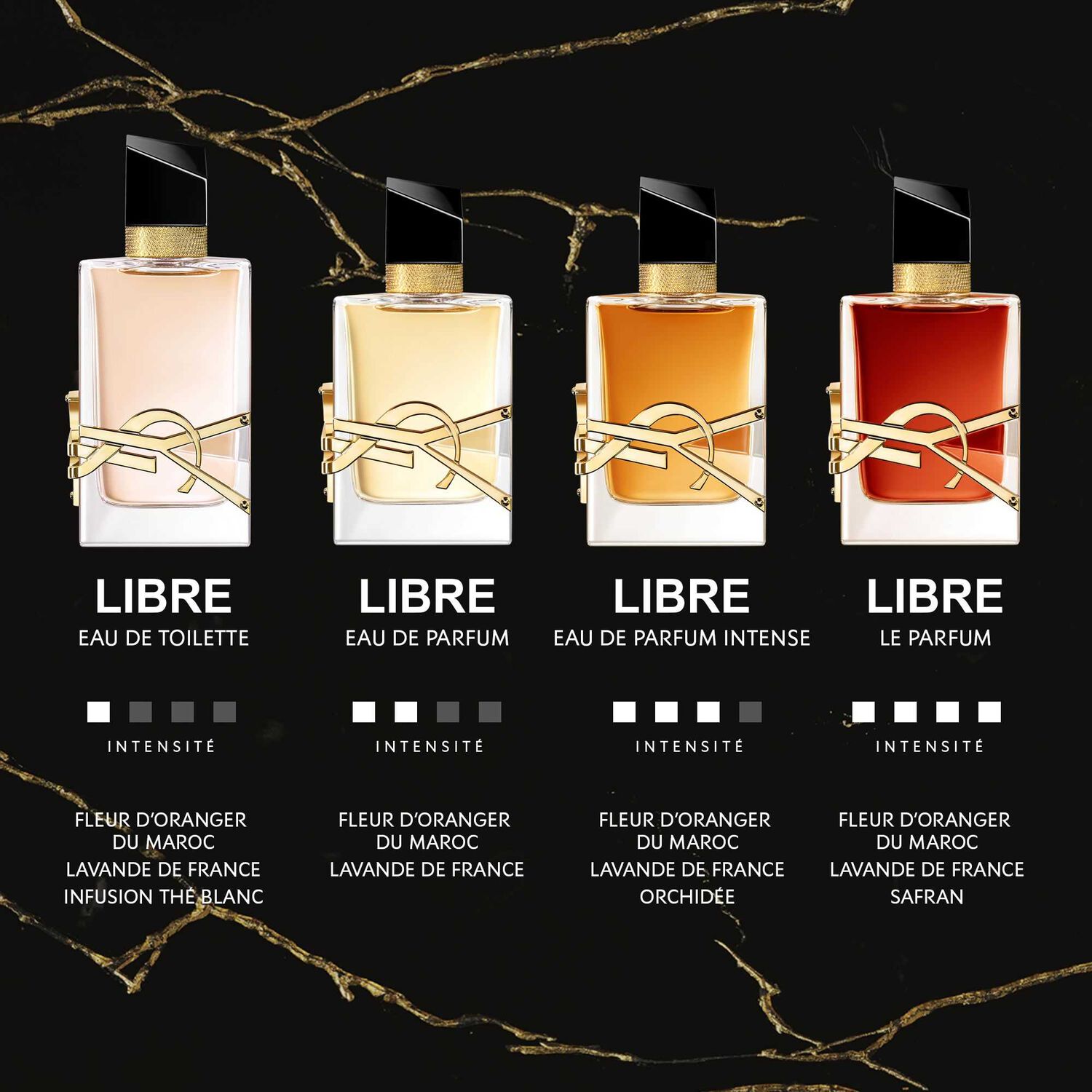
More recently, Libre (2019) introduced a bold, gender-bending floral where masculine lavender meets feminine orange blossom, symbolizing freedom and breaking boundaries – a theme consistently at the heart of YSL's identity.
Legacy and Influence
The history of Yves Saint Laurent's perfume house is a testament to its founder's audacious spirit. From the groundbreaking 'Y' to the scandalous 'Opium,' the modern allure of 'Black Opium,' and the liberating 'Libre,' YSL fragrances have consistently pushed boundaries, challenged conventions, and defined moments in olfactory history. The brand continues to craft scents that empower, provoke, and celebrate the multifaceted nature of identity, ensuring its enduring influence on the world of perfumery.