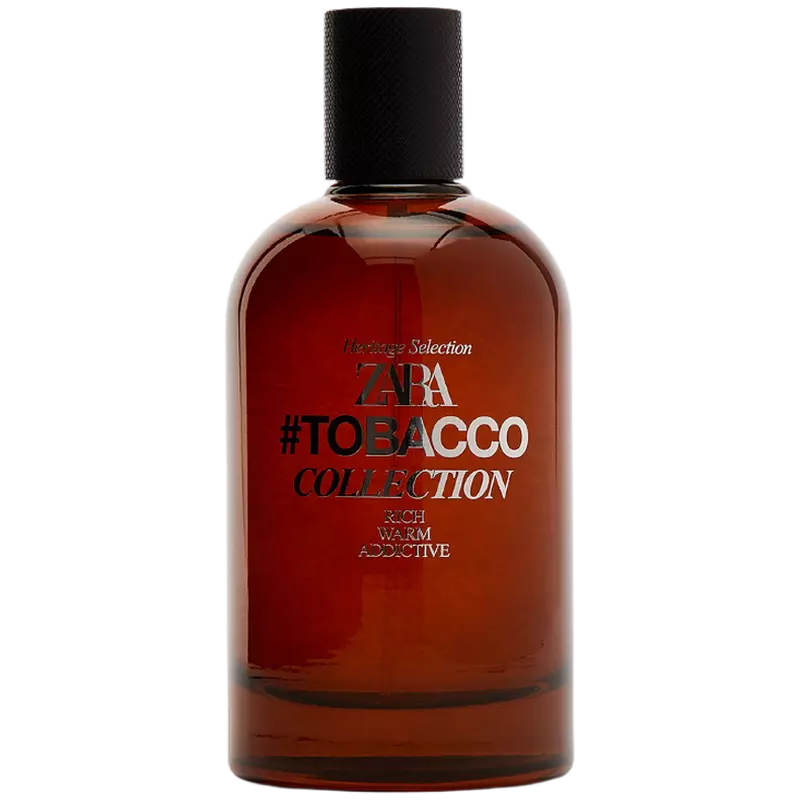
Zara's Olfactory Journey: More Than Just Fast Fashion
When one thinks of Zara, images of runway-inspired garments, lightning-fast trend cycles, and accessible style instantly come to mind. Yet, tucked away within its sprawling boutiques and online stores lies a surprisingly robust and increasingly respected fragrance empire. For years, Zara’s perfumes were perceived as simple, affordable accessories to its main fashion offerings. However, a closer look reveals a strategic evolution, marked by shrewd collaborations, an understanding of consumer desires, and a remarkable ability to democratize the world of perfumery. This is the captivating story of how Zara carved out its unique scented niche.
The Genesis of a Global Phenomenon
The story of Zara begins in 1975, when Amancio Ortega and Rosalía Mera opened the first Zara store in A Coruña, Spain. Their vision was revolutionary: to offer high-fashion looks at affordable prices, delivered with unprecedented speed. This 'fast fashion' model rapidly propelled Zara, and its parent company Inditex, into a global retail powerhouse. Initially, fragrances were an organic, albeit secondary, extension of this philosophy – simple scents designed to complement the latest fashion collections, allowing customers to complete their 'look' from head to toe, and at a minimal cost.
From Apparel to Aroma: The Scented Extension
For decades, Zara's fragrance offerings remained largely understated. They were popular for their affordability and their knack for capturing popular scent profiles often reminiscent of more expensive designer perfumes. This 'inspired-by' approach resonated deeply with a broad consumer base, offering a gateway into the world of diverse aromas without the hefty price tag. However, it was Zara's willingness to evolve beyond this initial strategy that truly began to reshape its legacy in the perfume world.
Key Collaborations and Creative Minds
While Zara's in-house perfumers often remain anonymous, ensuring the brand's fast-fashion ethos extends to scent creation, a pivotal moment arrived with a groundbreaking collaboration that signaled a new era of ambition and quality:
- Jo Malone CBE (Zara Emotions Collection): In 2019, Zara announced a partnership with the legendary British perfumer Jo Malone CBE, founder of Jo Loves and the original Jo Malone London. This collaboration, resulting in the 'Zara Emotions' collection, was a game-changer. It introduced a line of sophisticated, high-quality EDPs (Eau de Parfums) crafted with premium ingredients and distinctive narratives, elevating Zara's fragrance reputation almost overnight. Malone's signature elegant simplicity and storytelling brought a new layer of artistry to the brand, proving Zara's commitment to serious perfumery.
This collaboration demonstrated Zara's willingness to invest in credible perfumery talent, moving beyond simple interpretations to offering unique, high-quality compositions.
Defining Zara's Olfactory Identity: Iconic Collections
Zara's fragrance identity isn't built around a single flagship scent but rather a dynamic portfolio designed to cater to diverse tastes and trends:
- The Emotions Collection by Jo Loves: This remains Zara's most critically acclaimed and 'iconic' range. Scents like Ebony Wood, Vetiver Pamplemousse, and Fleur D'Oranger have garnered praise for their complexity, longevity, and elegant profiles, appealing to a more discerning fragrance enthusiast.
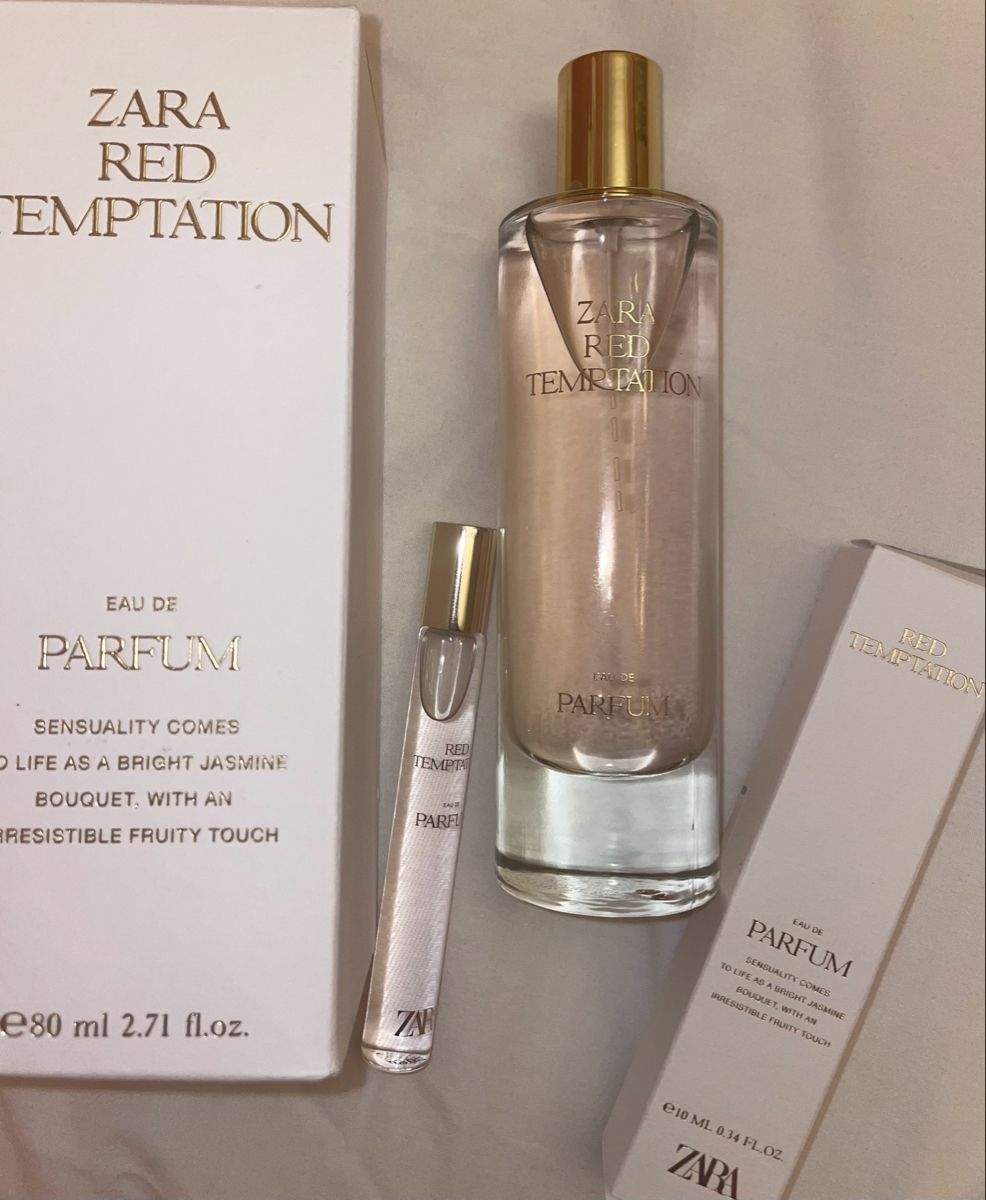
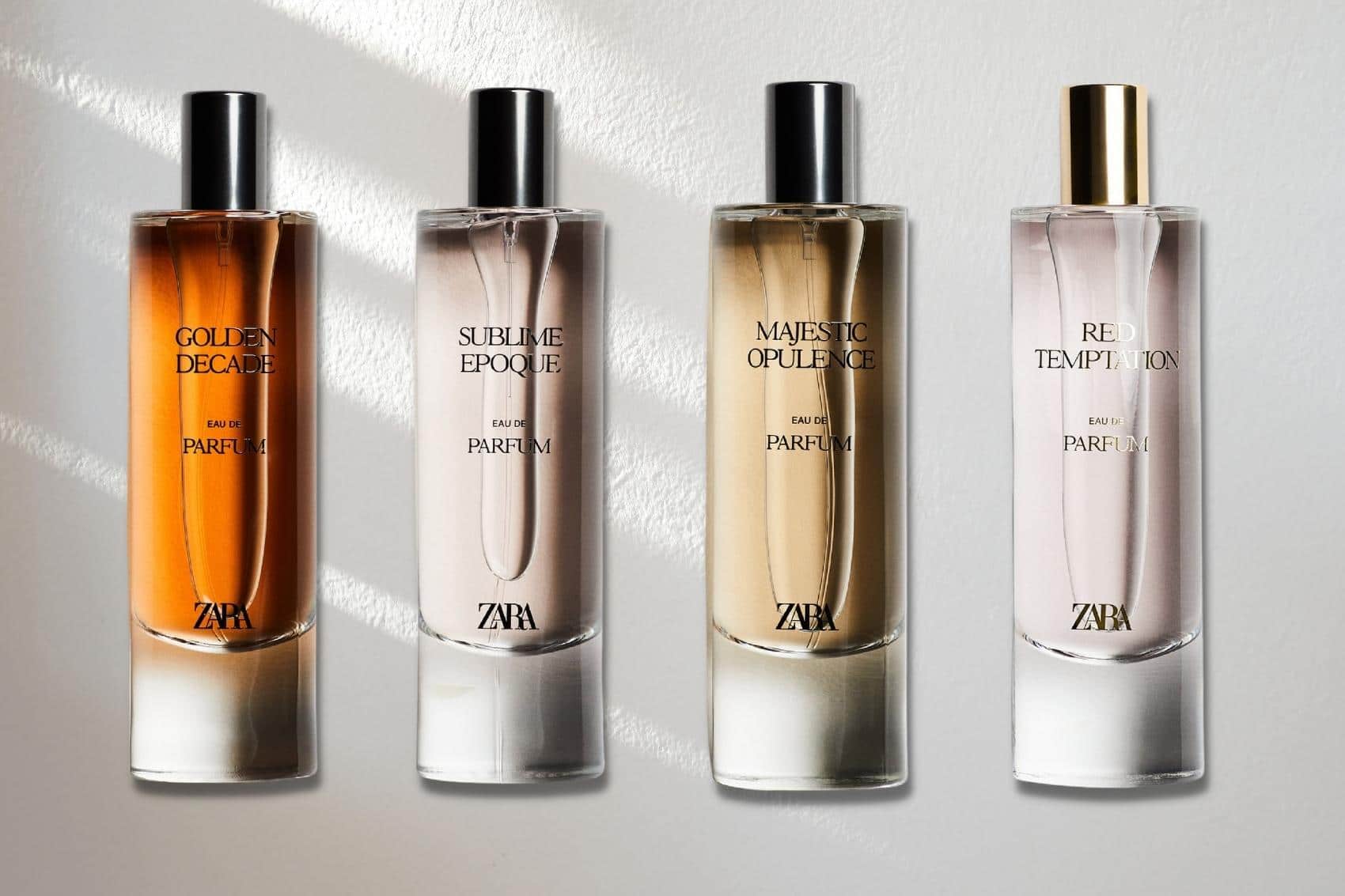
- The Art of Scent: Everyday Staples: Zara’s core collection consistently features bestsellers like 'Gardenia' (often compared to YSL Black Opium), 'Applejuice' (a fresh, often compared to Chanel Chance Eau Tendre), 'Wonder Rose', and 'Red Temptation' (drawing comparisons to Baccarat Rouge 540). These fragrances represent Zara’s mastery of creating appealing, accessible scents that resonate with popular tastes and provide an affordable entry point to trending scent families.
- Seasonal and Trend-Driven Releases: Mirroring its fashion model, Zara regularly releases new collections, often aligned with seasons or emerging fragrance trends. This keeps the offering fresh and exciting, encouraging discovery and repeat purchases.
Brand Evolution: A Scented Revolution
The journey of Zara's perfumes reflects a broader brand evolution. From being mere add-ons, fragrances have grown into a significant category, commanding dedicated shelf space and marketing campaigns. This shift indicates a deeper commitment to the beauty sector, positioning Zara not just as a fashion retailer, but as a lifestyle brand offering a complete aesthetic experience. The increased focus on EDP concentrations, more elaborate packaging, and high-profile collaborations underscore this trajectory, signaling Zara’s ambition to be a serious player in the global fragrance market.
Legacy and Influence: Democratizing Delight
Zara's legacy in the perfume world is multifaceted. It has successfully democratized fragrance, making a wide array of scent experiences accessible to millions worldwide. By bridging the gap between high fashion and affordable perfumery, Zara has empowered consumers to explore, experiment, and enjoy scents without financial barriers. Its influence extends to challenging the perception that quality and sophistication are exclusive to luxury brands. For perfume enthusiasts, Zara offers an exciting playground for discovery – an ever-evolving collection of affordable gems, innovative collaborations, and a testament to the idea that great scent can truly be for everyone. Zara's story is a compelling reminder that sometimes, the most unexpected players can profoundly reshape an industry.